Dental care is about more than brushing your teeth. If you want a healthy smile and strong gums, flossing needs to be part of your day. Many people skip it because it feels small or unnecessary, but it plays a big role in preventing major oral problems. This guide explains how floss works, why it matters, and how to choose the right type for your mouth.
Table of Contents
Why Dental Floss Matters for Oral Health
Even with perfect brushing, your toothbrush can’t reach the tight spaces where food and plaque hide. Those areas make up almost 35% of your tooth’s surface. When plaque sits between teeth, it leads to cavities, gum irritation, and bad breath. Floss cleans these hidden spots and keeps your mouth healthier overall.
How Floss Helps Prevent Gum Disease
Plaque around the gumline is the main cause of gingivitis, the first stage of gum disease. Floss removes buildup that brushing leaves behind. With daily use, your gums stay firm, calm, and less likely to bleed.
Types of Dental Floss
There isn’t one “best” floss different types work better for different mouths. Choose the one that feels comfortable and easy for you to use every day.
Waxed vs. Unwaxed Floss
Waxed floss slips smoothly between tight teeth. Unwaxed floss has more texture and works well for people with slightly wider spaces. Both clean equally well.
Dental Tape
Dental tape is wider and flatter, making it easier to use if you have braces, larger gaps, or sensitive gums. The soft feel makes it gentle for beginners.
Floss Picks and Pre-Threaded Flossers
Floss picks make flossing simple and fast. They’re great for kids, busy adults, and anyone who struggles with regular string floss.
How to Use Dental Floss Correctly
Good technique helps you get all the benefits without hurting your gums.
Step-by-Step
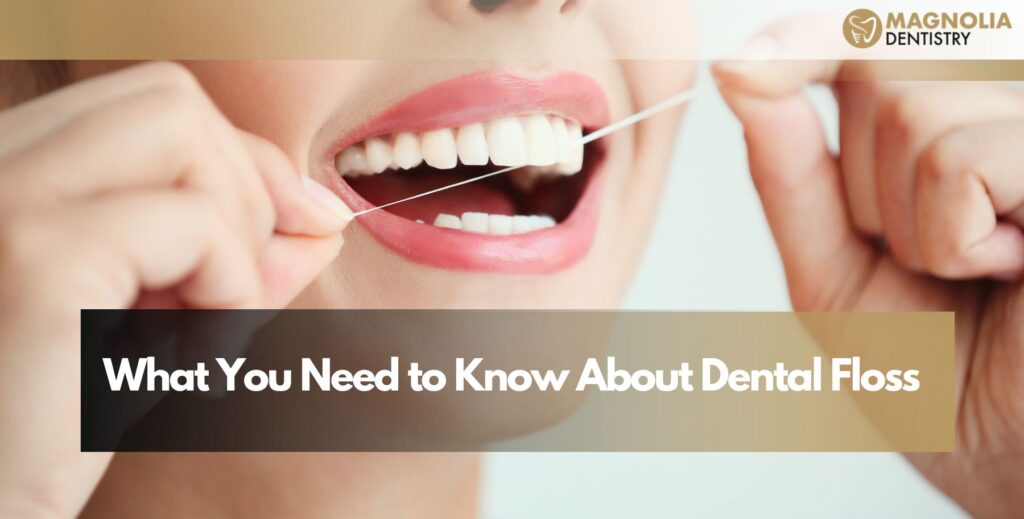
Use about 18 inches of floss and wrap most around one finger. Slide it gently between teeth. Curve it into a “C” around each tooth and move it up and down. Switch to a clean section for every tooth.
Mistakes to Avoid
Don’t snap the floss down or rush the process. Aggressive flossing can cut your gums and cause pain or bleeding.
Benefits of Daily Flossing
Flossing touches areas a toothbrush can’t reach. That’s why it’s essential for long-term oral health.
Fresher Breath
Trapped food feeds bacteria, which release bad smells. Removing those particles keeps your breath cleaner.
Better Overall Health
Healthy gums are linked to healthier heart function, better diabetes control, and safer pregnancies. Reducing inflammation in your mouth supports your whole body.
Should You Floss Before or After Brushing?
Both work. Some people floss first to loosen debris before brushing. Others floss afterward to catch anything left behind. What matters most is doing it consistently.
Flossing with Braces or Dental Work
Braces, crowns, and bridges make cleaning tricky but not impossible.
Helpful Tools
Floss threaders, super floss, and interdental brushes are perfect for reaching around wires and dental work. Your orthodontist can recommend the best option.
Do Dental Floss Alternatives Work?
Water Flossers
Water flossers use a gentle stream of water to clean between teeth and below the gums. They’re great for sensitive mouths or heavy dental work but may not remove as much plaque as string floss.
Interdental Brushes
These tiny brushes fit between teeth and work well for people with gaps, gum recession, or limited hand movement.
How Often Should You Replace Your Floss?
Always use a fresh section for each tooth. Reusing floss spreads bacteria instead of removing it.
Best Time of Day to Floss
Nighttime is ideal because saliva slows down while you sleep. Cleaning your teeth before bed removes bacteria that would otherwise sit on your gums all night.
Is Bleeding Normal When You Start Flossing?
A little bleeding is common if you haven’t flossed regularly. Your gums may be inflamed, and flossing helps fix that. If bleeding continues for more than a week, talk to your dentist.
Teaching Kids to Floss
Kids can start around age 6 or 7. Make it fun with flavored floss or floss picks. When flossing becomes part of their bedtime routine early, it creates healthy habits for life.
What Flossing Means for Your Dental Visits
Dentists can easily tell whether you floss. Regular flossing reduces tartar, makes cleanings faster, and improves your overall exam results.
Eco-Friendly Floss Options
If you prefer sustainable choices, look for floss made from silk or plant-based fibers. Many brands now offer biodegradable materials and compostable packaging.
Can You Over-Floss?
Yes. Too much pressure or flossing several times a day can damage your gums and cause recession. Once a day, done gently, is enough.
Flossing During Pregnancy or Health Conditions
Hormonal shifts during pregnancy can make gums more sensitive and prone to swelling. Daily flossing helps prevent pregnancy gingivitis and protects both mom and baby.
What If You’ve Never Flossed Before?
Start slowly and stay consistent. Your gums might bleed at first, but they will strengthen within days. Beginning now can reverse early gum problems and protect your teeth long-term.
Conclusion
Flossing may seem small, but it makes a big difference. It prevents cavities, protects your gums, and keeps your breath fresh. With the right technique and floss type, flossing becomes simple and comfortable. If you need expert support or want to improve your oral health, book an appointment with a trusted Dentist in Burbank, CA and get the care your smile deserves.
FAQs
How often should I floss?
Once a day, ideally before bedtime. This removes plaque and food particles your toothbrush can’t reach.
What floss works best for tight teeth?
Waxed floss is usually the easiest to slide between tight spaces.
Can a water flosser replace string floss?
Water flossers help, especially for braces or implants, but string floss may still remove more plaque in tight areas.
Is bleeding normal when I floss?
A little bleeding is normal at first. If it lasts more than a week, it may be a sign of gum disease.
Should kids floss?
Yes. Kids should start flossing when two teeth touch. Floss picks make it easier for small hands.