
Jaw pain or muscle soreness
Aching in the jaw joint, cheeks or temples — often worse when chewing or talking.
Jaw pain & bite evaluation · Burbank
It's time to stop living with jaw pain. Personalized care — from simple therapies to custom appliances — to relieve headaches, jaw discomfort and teeth grinding so you can enjoy a pain-free, healthy smile.
 5-star rated
Talk to our team
(818) 846-9041Call the Burbank officeBook onlineChoose a time in 60 secondsStart with what you're noticing
Aching in the jaw joint, cheeks or temples — often worse when chewing or talking.
Noises when you open or close your mouth, with or without pain.
Waking with a tired jaw, or a partner hearing you grind in your sleep.
Morning headaches, ear pain or neck and shoulder pain linked to jaw tension.
Flattened edges or repeated damage to teeth and fillings from grinding.
Difficulty or pain when opening wide, or a jaw that catches or locks.
Real patient results
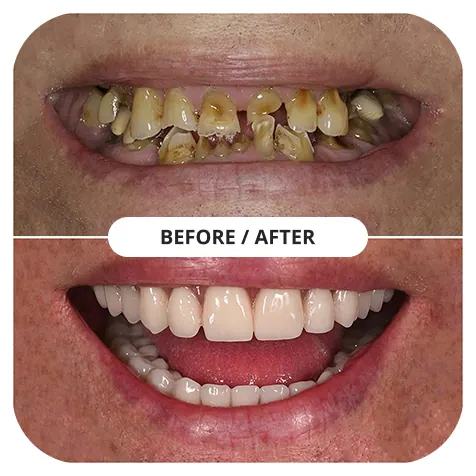

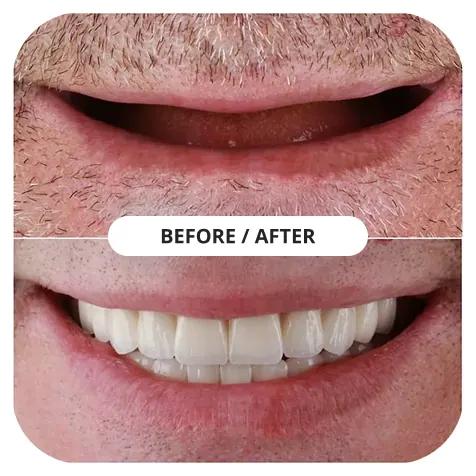
Photos of Magnolia Dentistry patients, shared with permission. Individual results vary.
A closer look
The TMJ (temporomandibular joint) is the joint that connects your lower jaw to your skull, letting you move your jaw up and down and side to side. TMD (temporomandibular disorder) is the broader term for problems affecting that joint, the chewing muscles and the nerves around them.
Common contributing factors include:
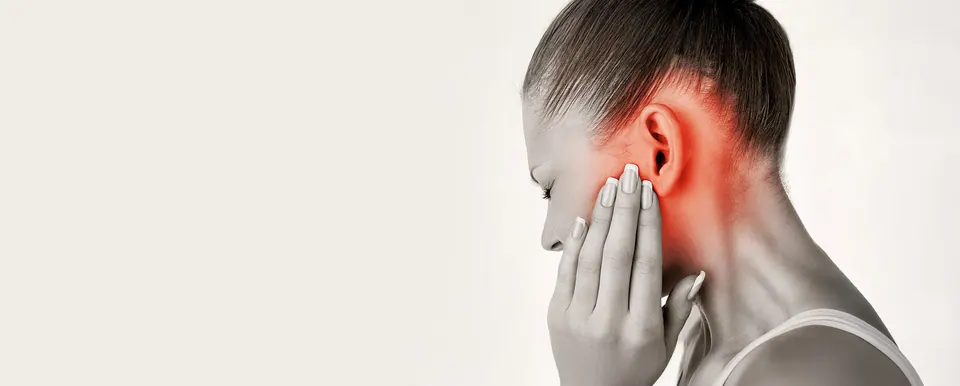
Symptoms can include jaw tenderness, clicking or popping, difficulty opening, locking, headaches, ear pain, neck and shoulder pain — and sometimes dizziness or ringing in the ears.
Our approach
Symptoms can overlap with tooth problems, headaches, muscle tension and other medical conditions, so a night guard shouldn't be an automatic answer to every sore jaw.
Dr. Liyan Massaband evaluates the pattern of your symptoms, jaw movement, muscle tenderness, tooth wear, grinding habits and your bite. Depending on the findings, care may include:
Free consultation available
Not sure this is right for you? Ask Dr. Massaband.
Meet Dr. Massaband, get a clear plan and a written estimate — no obligation.
What to expect
When pain occurs, jaw noises, headaches, grinding, sleep habits and previous dental treatment.
Joint movement, muscle tenderness, tooth wear and any dental causes of discomfort.
Protection, home-care measures and a custom appliance when appropriate.
Review how symptoms respond and adjust the plan — or refer when needed.
In-depth guide
t’s Time to Stop Living With Jaw Pain
We’re here to provide you with personalized care and treatments—from simple therapies to advanced solutions—so you can find relief from headaches, jaw discomfort, and teeth grinding, and finally enjoy a pain-free, healthy smile.
Book Now (818) 846-9041(Temporomandibular Joint)
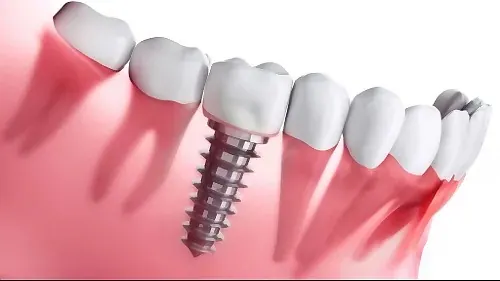
The TMJ is the joint that connects the jawbone to the skull, enabling you to move your jaw up and down and side to side. TMJ disorders can arise from several factors, including:
Common signs and symptoms of TMJ include:
(Temporomandibular Disorder)
TMD is a broader term that refers to any problem affecting the jaw joint, muscles, and nerves.

Patient reviews
Hands down the best dentist and dental office I have ever been to. I got my teeth worked on by Dr. Massaband — she is an absolute delight. Her work is top of the line. I have always been afraid of the dentist, but the way she worked on me I didn’t feel any pain or discomfort, which is so rare to find. She really makes sure you are 100% satisfied before you walk out of her office. Staff is super friendly and the office is in a great location.
Dr. Massaband was wonderful! I brought my mom to her in an emergency state. The doctor came in early on a Sunday, was very professional and detail oriented, took great care of my mom’s complicated procedure and even followed up multiple times a day during her recovery. Very grateful to have found her!
Dr. Massaband is the best dentist I have ever been to. She and her staff make you feel comfortable and cared for. So proficient, so professional — it’s the best work I have ever had done. I am no longer afraid to go to the dentist. Thank you, Doctor Massaband.
Flexible payment plans
We accept most traditional dental insurance plans and are happy to file claims for you. For treatment insurance does not cover, flexible financing through CareCredit and Cherry can spread the cost into manageable monthly payments.


Financing is subject to credit approval by the lender. Ask our team which options apply to your treatment plan.
Frequently asked questions
TMJ is the jaw joint itself. TMD is a broader term for disorders involving the joint, chewing muscles and related structures. People often say "TMJ" when they mean TMD.
Yes. Grinding and clenching can cause muscle soreness, tooth wear and jaw discomfort. An exam helps determine whether they're part of your symptoms.
Not every TMD problem is caused by grinding, so a night guard isn't right for everyone. For many patients who clench or grind, a custom guard protects the teeth and reduces muscle strain.
Over-the-counter guards can be bulky and may not fit evenly, which can sometimes make jaw symptoms worse. A custom guard is made from impressions of your teeth for an accurate, balanced fit.
When discomfort persists, interferes with eating or sleep, comes with locking or limited movement, or is linked to clenching, headaches or tooth wear.

Meet your dentist
Dental implant & cosmetic dentist · 1,000+ successful implant cases
Dr. Liyan Massaband, DMD, MPH, is a California-licensed dentist who provides general, cosmetic, restorative, implant and emergency dental care at Magnolia Dentistry in Burbank. Patients from across Southern California see her for her attention to detail, gentle approach and experience with complex cases — including missing teeth, bone loss and failed dental work.
Her training spans Physiological Sciences at the University of Arizona, a Master of Public Health from the University of Southern California and a Doctor of Dental Medicine from Midwestern University — a foundation that treats your oral health as part of your overall well-being.
Related care
TMJ / TMD TreatmentMagnolia Dentistry · Burbank