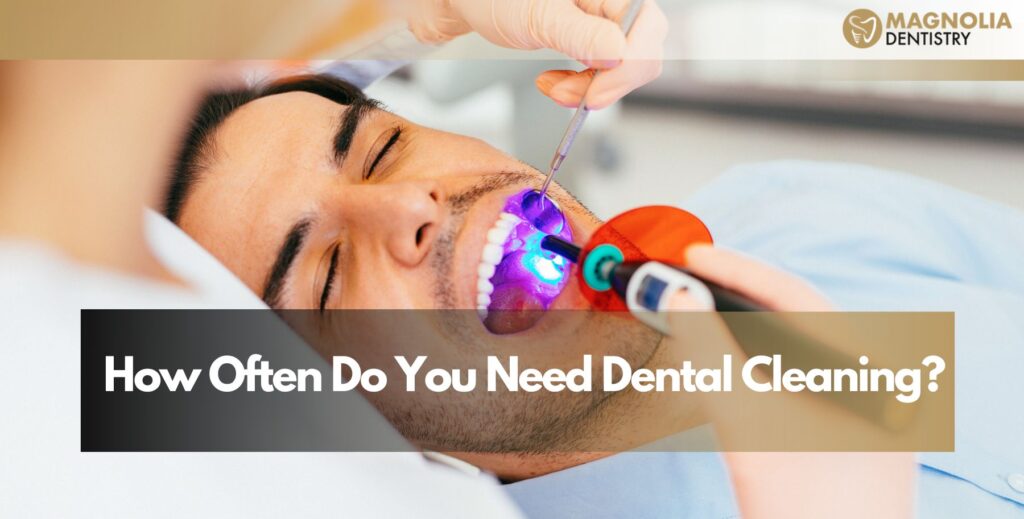
Professional dental cleanings are one of the most important ways to protect your oral health. Even with excellent brushing and flossing habits, plaque and tartar still build up over time especially in areas you can’t reach at home. Many people wonder how often they truly need these cleanings and whether their schedule should change based on age, lifestyle, or oral health conditions.
This detailed guide explains everything you need to know about dental cleaning frequency, what influences your recommended schedule, and how cleanings support long-term health for every age group.
Table of Contents
Why Dental Cleanings Matter for Long-Term Oral Health
Dental cleanings remove plaque, tartar, and bacteria that brushing alone cannot eliminate. Professional cleanings help prevent gum disease, cavities, bad breath, and enamel damage. They also make it easier for your dentist to spot problems early, keeping your oral health stable and your smile strong for years.
Cleanings Remove Tartar You Can’t Brush Away
Tartar forms when plaque hardens on the teeth, and once it does, only professional tools can remove it. Regular cleanings stop this buildup from causing gum irritation, tooth decay, or discoloration. This helps protect your teeth and prevents more serious dental issues in the future.
Early Detection Happens During Cleanings
Your dentist checks your gums, enamel, and bite during cleaning visits. This allows early detection of cavities, gum inflammation, or enamel wear. Identifying problems early reduces the need for major treatments and saves you stress, time, and money in the long run.
Cleanings Support Gum Health and Fresh Breath
Excess bacteria cause gum disease and persistent bad breath. Professional cleanings remove harmful deposits below the gumline and leave your mouth feeling fresh. Healthy gums protect your teeth, help prevent bone loss, and improve overall oral comfort.
How Often Should Most People Get Dental Cleanings?
For the majority of patients, dentists recommend cleanings every six months. This schedule keeps tartar buildup under control and makes it easier to maintain a healthy mouth. The six-month interval is ideal for preventing cavities, monitoring gum health, and catching early signs of developing oral problems.
Six-Month Cleanings Offer Strong Preventive Care
Most people accumulate plaque and tartar within a few months, so cleaning twice a year prevents complications. A six-month visit ensures your teeth and gums stay stable while providing professional guidance to keep your oral hygiene routine strong.
Your Dentist Personalizes Your Schedule
While six months is standard, some people benefit from more or fewer appointments. Your dentist determines your ideal schedule based on oral health, medical history, and risk factors. Tailored cleaning frequency ensures your mouth receives the care it truly needs.
Children Benefit from Regular Appointments Too
Dental cleanings for children every six months support healthy tooth development and prevent early cavities. These visits help build positive habits and reduce dental anxiety as kids grow.
Who Needs Dental Cleanings More Frequently?
Certain patients require more frequent dental cleanings often every three to four months—to manage specific oral health conditions or lifestyle factors. This enhanced schedule protects vulnerable teeth and helps stabilize gum health.
Patients With Gum Disease Need Frequent Cleanings
People with periodontal disease accumulate bacteria more quickly around the gums. Cleanings every three months help control inflammation and prevent the disease from progressing. This schedule is essential for maintaining long-term gum stability.
Smokers and Tobacco Users Need Extra Cleanings
Smoking slows gum healing and increases plaque buildup. Frequent cleanings help reduce the oral effects of tobacco and monitor early signs of gum damage, tooth staining, and bone loss.
Patients With Diabetes Require Close Monitoring
Diabetes affects gum health and increases the risk of infection. More frequent cleanings keep gums stable, reduce inflammation, and help prevent complications that may develop faster in diabetic patients.
Factors That Influence Cleaning Frequency
Dental cleaning schedules vary depending on lifestyle habits, genetic factors, and the overall condition of your teeth and gums. Understanding these factors helps you maintain a personalized care routine.
Oral Hygiene Habits Influence Cleaning Needs
If you brush and floss consistently, you may maintain longer stretches between visits. However, areas that are hard to reach can still accumulate tartar, making routine cleanings necessary no matter how well you care for your teeth at home.
Diet Plays a Role in Plaque Buildup
Sugary drinks, acidic foods, and frequent snacking speed up plaque formation. If your diet increases cavity risk, your dentist may recommend more frequent visits to keep your mouth healthy and cavity-free.
Genetics Affect Oral Health Predictability
Some people naturally produce more plaque, while others have softer enamel or more sensitive gums. Genetics can influence cleaning frequency, making professional cleanings essential for maintaining stability.
What Happens During a Professional Dental Cleaning?
A dental cleaning includes several steps designed to remove buildup and evaluate overall oral health. These visits are quick, comfortable, and essential for preventing long-term issues.
Scaling Removes Plaque and Tartar
Your hygienist uses special tools to remove hardened tartar from your teeth and along the gumline. This step is the foundation of a professional cleaning and helps prevent gum irritation and decay.
Polishing Smooths the Teeth
After scaling, your teeth are polished to remove surface stains and smooth enamel. Polishing helps prevent plaque from sticking easily, keeping your teeth cleaner between visits.
Fluoride Strengthens the Enamel
A fluoride treatment may be applied to protect your enamel from acid, plaque, and cavities. This step is especially helpful for children, teens, and adults prone to decay.
Why Professional Cleanings Are Essential Even If You Brush Well
Many patients assume that excellent hygiene at home eliminates the need for professional cleanings. However, brushing and flossing alone cannot maintain long-term oral health as effectively as combined care.
Home Care Cannot Remove Hardened Tartar
Once plaque hardens into tartar, brushing cannot remove it. Only professional tools can eliminate these deposits and prevent gum irritation or infection. Cleanings protect the gums and reduce long-term inflammation.
Your Dentist Detects Problems You Can’t See
Professional visits reveal early signs of cavities, gum disease, cracked teeth, or weakened enamel. Early detection prevents serious problems and keeps your dental care simple and affordable.
Cleanings Maintain Fresh Breath and Confidence
Persistent bad breath is often caused by plaque beneath the gumline. Regular cleanings remove odor-causing bacteria and leave your mouth feeling fresh and clean.
Dental Cleaning Schedules for Different Age Groups
Every stage of life has unique oral health needs. Your cleaning schedule may shift depending on age, risk factors, and tooth development.
Children Need Consistent Monitoring
Kids benefit from cleanings every six months to prevent early decay and monitor tooth development. These visits also teach healthy habits that reduce dental anxiety and support lifelong oral health.
Teens Experience Higher Cavity Risk
Teenagers face increased plaque buildup due to diet, hormonal changes, and braces. Cleanings every six months sometimes every four—help prevent cavities and gum irritation.
Adults Maintain Stability With Routine Cleanings
Most adults need cleanings every six months. This is key for preventing gum disease, protecting enamel, and supporting long-term oral health maintenance.
Seniors Require Extra Attention to Gums
As gums naturally recede with age, cleaning frequency becomes more important. Many seniors need cleanings every three to four months to prevent inflammation and tooth loss.
Adding Dental Care Tips for Every Age Group into your routine ensures long-term stability and a healthier smile at every stage of life.
How Cleanings Support Overall Health Beyond Your Mouth
Dental cleanings impact more than your smile. Oral health is closely linked to general health, making professional care essential for total wellness.
Cleanings Lower the Risk of Heart Disease
Studies show a strong connection between gum inflammation and cardiovascular conditions. Regular cleanings help reduce bacteria that may contribute to heart disease and systemic inflammation.
Gum Health Supports Better Diabetes Control
Poor gum health can make blood sugar management more difficult. Cleanings keep gum inflammation under control, supporting overall metabolic health.
Cleanings Reduce the Risk of Oral Infections
Professional care prevents infections that may spread into the bloodstream, helping reduce complications in patients with chronic conditions or weakened immune systems.
Why Regular Dental Check-Ups Matter as Much as Cleanings
Cleanings and checkups go hand-in-hand. Attending Regular Dental Check-Ups and cleanings ensures complete oral protection, ongoing monitoring, and early intervention when issues arise.
Check-Ups Catch Problems Before They Escalate
Your dentist evaluates teeth, gums, bite, and soft tissues. Early identification prevents the need for complex treatments and helps preserve natural structures.
Professional Advice Improves Home Care
Dentists provide personalized guidance tailored to your oral health needs, from brushing techniques to fluoride supplements that strengthen enamel.
Check-Ups Support a Lifetime of Oral Stability
Consistent monitoring prevents gum disease, tooth loss, and enamel damage—ensuring stronger, healthier teeth at every age.
Conclusion
Dental cleanings are essential for maintaining healthy teeth, strong gums, and long-term oral stability. The ideal cleaning frequency varies, but most people benefit from visits every six months. Those with gum disease, medical conditions, or higher cavity risks may need more frequent care. By following professional guidance and incorporating strong home habits, you can maintain a healthier smile at every stage of life.
For personalized care and expert guidance, schedule an appointment with a trusted Dentist in Burbank, CA.