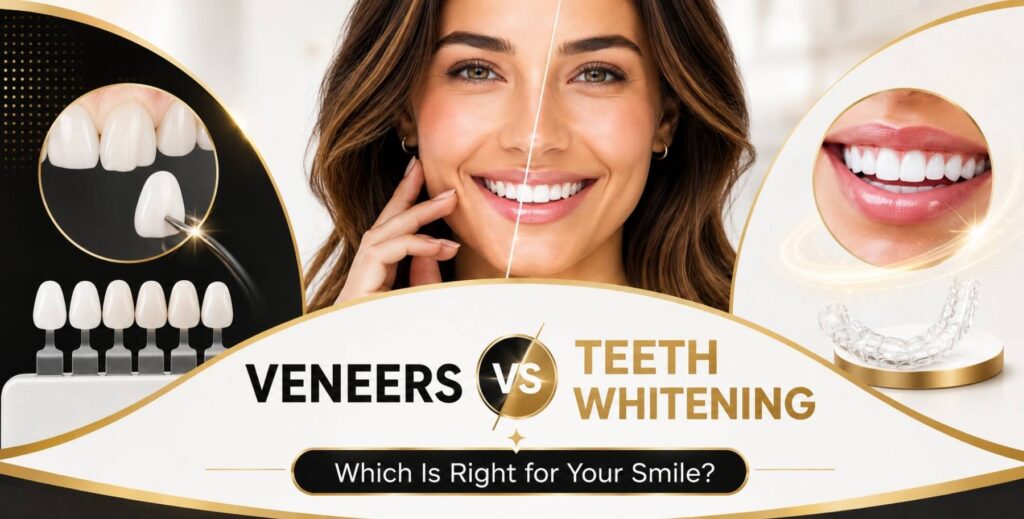
Dental cement is one of the most essential materials used in modern dentistry. It acts as an adhesive, a protective barrier, a restorative agent, and sometimes even a temporary solution until a permanent restoration is ready. Because it is strong, durable, and biocompatible, dentists rely on it for treatments such as crowns, bridges, fillings, braces, inlays, onlays, and root canal procedures. Understanding what dental cement is and why it is used helps patients feel more confident when undergoing treatment.
This comprehensive guide explains the science behind dental cement, its different types, the situations where dentists use it, and how it contributes to long-term oral health.
Table of Contents
What Is Dental Cement?
Dental cement is a specially formulated material used to bond, seal, or protect dental restorations. It acts as a strong adhesive between the tooth structure and a dental device. Its chemical makeup is designed to withstand chewing pressure, resist moisture, and remain stable inside the mouth.
Chemical Composition of Dental Cement
Dental cements are usually made from powdered minerals mixed with liquid acids or resins. These ingredients react to form a hard, durable material. Different formulas provide unique benefits such as strength, flexibility, fluoride release, or transparency depending on the restoration needs.
Physical Properties That Make It Ideal for Dentistry
Dental cement has a combination of strength, wear resistance, and biocompatibility. It hardens quickly, resists saliva and bacteria, and forms a tight seal that prevents decay. Some cements are designed for permanent adhesion, while others allow temporary placement.
How Dental Cement Functions Inside the Mouth
Once applied, dental cement forms a solid interface between the tooth and restoration. It prevents movement, blocks bacterial invasion, and reinforces weakened tooth structures. This stability ensures restorations last for many years with proper care.
Why Dentists Use Dental Cement
Dentists rely on dental cement because it provides strong adhesion, seals gaps, and improves the durability of various restorations. It ensures dental work stays securely in place, protects the tooth’s inner layers, and enhances overall treatment success.
Creating Strong Bonds for Restorations
Dental cement helps crowns, bridges, veneers, and other restorations bond securely to the tooth. Because chewing forces are strong, a high-quality adhesive is needed to maintain stability and prevent loosening or shifting.
Sealing and Protecting the Tooth Surface
Dental cement seals microscopic gaps between the tooth and restoration, preventing food particles and bacteria from entering. This reduces the risk of secondary decay, sensitivity, and infection problems that can occur when restorations are not properly sealed.
Supporting Temporary and Permanent Treatments
Some procedures require temporary protection before the final restoration is placed. Temporary cements allow easy removal, while permanent cements provide long-term adhesion. This flexibility helps dentists personalize treatment to patient needs.
Types of Dental Cement Used in Modern Dentistry
Dental cement is not a single material but a category that includes several specialized formulations. Each type offers unique benefits, making it suitable for different procedures.
Glass Ionomer Cement (GIC)
Glass ionomer cement is valued for its ability to release fluoride, which helps prevent cavities. It chemically bonds to tooth structure and is often used for fillings, crown bases, and pediatric dentistry. It is especially useful for patients at high risk of decay.
Resin-Modified Glass Ionomer Cement (RMGIC)
This enhanced version of GIC offers greater strength and durability. It combines the benefits of glass ionomer with resin-based materials, making it ideal for bonding orthodontic brackets, crowns, and bridges where stronger adhesion is needed.
Resin Cement
Resin cement is one of the strongest and most aesthetic options. It is widely used for veneers, ceramic crowns, dental implants, and restorations requiring precise bonding. Its translucent finish blends naturally with tooth enamel.
Zinc Oxide Eugenol (ZOE) Cement
ZOE cement has soothing, anti-inflammatory properties. Dentists often use it in temporary fillings or as a base under permanent restorations. It is favored for its gentle effect on sensitive teeth and its reliability in emergency treatments.
Zinc Phosphate Cement
One of the oldest types still used today, zinc phosphate cement provides a strong mechanical bond. It is commonly used for crowns and bridges, especially when durability is a priority. Though less modern than resin-based options, it remains dependable.
How Dentists Choose the Right Dental Cement
Selecting the appropriate cement is crucial for long-lasting results. Dentists evaluate several factors to determine which formula will provide the best outcome for each patient.
Type of Restoration Being Performed
Crowns, veneers, fillings, and bridges each require specific cement properties. For example, veneers benefit from resin cement due to its translucency, while pediatric fillings may work best with glass ionomer cement because of fluoride release.
Strength and Durability Requirements
If a restoration must withstand heavy biting forces such as molar crowns dentists choose stronger cements. Patients with grinding habits may also need high-strength materials to avoid premature failure.
Aesthetic Considerations for Visible Teeth
When restoring front teeth, dentists prioritize aesthetics. They use tooth-colored cements that blend with natural enamel, ensuring a seamless appearance. The goal is to maintain brightness and avoid visible bonding lines.
How Dental Cement Is Used in Common Dental Procedures
Dental cement plays a vital role in nearly every restorative and prosthetic dental treatment. Its ability to bond, seal, and stabilize makes it essential for maintaining both function and aesthetics. Each procedure requires specific properties from the cement to ensure long-lasting results.
Dental Crowns and Bridges
Dentists use strong permanent dental cement to secure crowns and bridges to prepared teeth. The cement forms a tight seal that prevents bacteria from entering and helps the restoration withstand chewing pressures. Proper cementation is crucial to preventing loosening, decay, and sensitivity under the crown.
Veneers and Cosmetic Restorations
For veneers and cosmetic bonding, dentists prefer resin cement because it provides excellent adhesion and a natural, translucent appearance. Resin cements enhance the brightness of ceramic veneers and ensure they stay firmly attached even on thin enamel surfaces.
Inlays, Onlays, and Indirect Restorations
Inlays and onlays require cements with superior strength and minimal thickness. Resin-based cements allow these precision restorations to fit tightly and function like natural tooth material. They help reinforce weakened teeth and prevent future fractures.
Dental Cement in Endodontic Therapy
Dental cement is indispensable during and after a root canal treatment. It protects the tooth from reinfection, reinforces structure, and helps the final restoration stay secure.
Sealing the Root Canal Space
Specialized endodontic cements seal the cleaned canal system to prevent bacteria from re-entering. These materials must be biocompatible, moisture-resistant, and capable of creating an airtight barrier. A proper seal is essential for long-term success.
Filling and Protecting the Tooth After Treatment
After a root canal, dentists use temporary or permanent cement to place fillings, crowns, or onlays. This strengthens the tooth, reduces sensitivity, and restores chewing function. Cement also helps prevent fractures in teeth weakened by decay or infection.
Securing Posts for Additional Tooth Support
When a tooth needs extra reinforcement, doctors place a post inside the canal before building the final restoration. Dental cement bonds the post firmly in place, enhancing stability and structural integrity.
How Dental Cement Supports Orthodontic Treatment
Orthodontics relies on precise, reliable adhesion. Dental cement ensures brackets and bands stay attached and withstand daily chewing, brushing, and orthodontic forces.
Bonding Brackets to Tooth Enamel
Orthodontic cements are designed to hold brackets securely without damaging enamel. These adhesives maintain their strength throughout treatment and resist moisture, accidental impacts, and changes in temperature.
Securing Bands for Complex Orthodontic Cases
Molars often require metal bands instead of brackets. Dental cement seals these bands tightly around the tooth, preventing food and bacteria from getting trapped underneath. This reduces the risk of decay during treatment.
Ensuring Easy Removal at the End of Treatment
Although orthodontic cement must be strong, it also needs to allow controlled removal without harming enamel. The formula balances bond strength with safe debonding procedures, ensuring healthy teeth after braces come off.
Temporary vs. Permanent Dental Cement
Dental procedures often require adhesives that serve different purposes. Dentists choose between temporary and permanent cement based on treatment goals, duration, and the condition of the tooth.
When Temporary Cement Is Used
Temporary cement is commonly used for provisional crowns, bridges, or fillings. It provides a secure but removable bond, allowing dentists to evaluate bite, aesthetics, and comfort before final cementation. It also protects the tooth during healing.
When Permanent Cement Is Needed
Permanent cement is used for final restorations that should stay bonded long-term. It provides exceptional strength, sealing ability, and resistance to moisture, bacteria, and daily wear. Once placed, removal requires professional techniques.
Differences in Bonding Strength and Longevity
Permanent cements offer superior strength and durability, while temporary cements prioritize ease of removal. Dentists evaluate each case to determine which type best supports oral health and treatment success.
Advantages of Dental Cement for Restorative Dentistry
Dental cement provides numerous benefits that directly support oral health, comfort, and function. Its versatility allows dentists to use it across many treatments.
Strong and Durable Adhesion
High-quality dental cement forms long-lasting bonds that withstand biting and chewing forces. This prevents restorations from shifting, cracking, or failing prematurely, even under heavy pressure.
Protection Against Decay and Leakage
Dental cement seals microscopic gaps where bacteria could infiltrate. This protective barrier reduces the risk of recurrent decay, infection, or sensitivity beneath restorations such as crowns and bridges.
Improved Comfort and Function
Cement helps restorations sit flush with the natural tooth, ensuring a comfortable bite and smooth chewing function. It also reduces irritation and prevents areas where food could accumulate.
Limitations and Considerations of Dental Cement
Despite its many advantages, dental cement has limits that dentists consider when choosing the right formulation. Proper material selection ensures treatment longevity and reduces complications.
Moisture Sensitivity During Placement
Some dental cements require a completely dry environment to bond correctly. Excess saliva or moisture may weaken the adhesive or affect setting time. Dentists use isolation techniques such as cotton rolls or rubber dams to prevent issues.
Material Compatibility With Restorations
Not all cements work well with every type of restoration. For example, certain ceramic crowns require resin-based cement for optimal bonding. Choosing incompatible cement could reduce strength or alter the restoration’s appearance.
Potential for Post-Treatment Sensitivity
In some cases, dental cement may cause temporary tooth sensitivity. This typically resolves within a few days as the tooth adjusts. Dentists may choose soothing cements like ZOE when sensitivity is a concern.
How Long Dental Cement Lasts and What Affects Its Durability
The lifespan of dental cement depends on several factors including the type of restoration, oral hygiene habits, and the material itself. With proper care, high-quality permanent cements can last many years and maintain strong bonds.
Influence of Oral Hygiene on Cement Longevity
Brushing, flossing, and regular cleanings help prevent plaque buildup around restorations. When oral hygiene is poor, bacteria can attack the margins of restorations and weaken the cement, increasing the risk of loosening or decay.
Diet and Chewing Habits Affect Wear and Tear
Hard foods, ice chewing, or heavy grinding put enormous pressure on dental cement. Over time, repeated force may weaken the bond. Dentists often recommend nightguards for patients with bruxism to protect restorations.
Type of Restoration and Cement Used
Different cements are designed for different purposes. For example, resin cement offers exceptional longevity for veneers and ceramic crowns, while glass ionomer cement excels in fluoride release and chemical bonding but may not last as long in high-stress areas.
Signs That Dental Cement May Need Replacement
Although dental cement is durable, it can eventually break down. Recognizing early warning signs helps prevent restoration failure and protects the underlying tooth.
Sensitivity or Discomfort Around the Restoration
If you begin experiencing sensitivity to cold, hot, or pressure near a crown or bridge, it may indicate that the cement seal has weakened. Early evaluation helps prevent further damage.
Movement or Shifting of the Restoration
A restoration that feels loose or moves when chewing usually indicates cement deterioration. Prompt recementation prevents fractures and infection.
Visible Gaps or Dark Margins
When cement erodes, tiny gaps may appear around the edges of a crown or veneer. These spaces allow bacteria to enter and cause decay. Dentists recommend quick repair to protect the tooth.
How Dentists Remove Old Dental Cement Safely
Removing old cement requires precision to avoid damaging the tooth or restoration. Dentists use specialized tools and techniques depending on whether the cement is temporary or permanent.
Ultrasonic Vibrators for Gentle Removal
Ultrasonic instruments loosen hardened cement without applying excessive force. These tools allow dentists to safely detach crowns or brackets without harming enamel.
Rotary Instruments for Precision Cement Cleaning
Rotary burs gently remove cement from tooth surfaces. This technique is essential when preparing the tooth for new cementation or replacing old restorations.
Solvents and Specialty Hand Tools for Tight Spaces
In certain cases, dentists use hand scalers or cement solvents to clear small pockets of residue. These methods ensure every trace of old cement is removed for a clean, secure bond.
Innovations and Modern Advancements in Dental Cement
Newer generations of dental cement offer improved strength, better aesthetics, and enhanced antibacterial properties. Dentistry continues to evolve, and these advancements bring greater comfort and longer-lasting results for patients.
Bioactive Dental Cements for Enhanced Healing
Bioactive cements release minerals like calcium and phosphate to help remineralize the tooth structure. This promotes healing and increased strength around restored areas, reducing long-term complications.
High-Strength Resin Cements for Improved Adhesion
Advancements in resin chemistry provide superior bonding to both tooth structure and prosthetic materials. These cements also resist discoloration, making them ideal for cosmetic dentistry.
Fluoride-Releasing Cements for Cavity Prevention
Modern glass ionomer cements release fluoride continuously, strengthening enamel and reducing cavity risk. This makes them exceptionally valuable for pediatric, geriatric, and high-risk patients.
Aftercare Tips for Restorations Cemented by Dentists
Proper care protects restorations and ensures dental cement performs at its best. After a procedure, patients should follow specific guidelines to extend restoration life.
Avoid Hard Foods Immediately After Cementation
Chewing hard foods too soon can stress the new bond before the cement fully sets. Dentists recommend avoiding crunchy or sticky foods for the first 24 hours.
Maintain Strict Oral Hygiene to Protect the Cement Seal
Regular brushing and flossing reduce plaque buildup around restorations. Using an antimicrobial rinse enhances gum health and supports the longevity of the cement.
Schedule Regular Dental Checkups for Monitoring
Dentists monitor cement integrity during checkups. Early detection of minor issues prevents restoration failure and protects the underlying tooth.
How Dental Cement Contributes to Long-Term Oral Health
The role of dental cement extends far beyond basic bonding. Its protective seal, durability, and compatibility with restorative materials help maintain oral health for years.
Preventing Secondary Decay
A strong cement seal prevents bacteria from entering beneath restorations. This protection is crucial for preventing recurrent cavities, which can compromise crowns or bridges.
Supporting the Longevity of Restorations
Cement strengthens and stabilizes restorations, allowing them to withstand daily chewing forces. High-quality adhesives can make crowns, onlays, and veneers last significantly longer.
Enhancing Comfort and Natural Function
By securing restorations in place, dental cement ensures smooth chewing, proper bite alignment, and reduced sensitivity. This leads to improved comfort and natural oral function.
Conclusion
Dental cement is one of the most important materials in modern dentistry. From crowns and veneers to orthodontics and root canal therapy, it supports nearly every type of restorative and cosmetic procedure. Its ability to bond, protect, and stabilize makes it essential for long-lasting dental work. Understanding how dental cement functions helps patients appreciate the complexity behind each treatment and the level of care involved. For expert guidance, restoration support, and personalized dental treatment plans, visit a trusted Dental Clinic in Burbank, CA, where experienced professionals ensure every restoration lasts and performs at its best.