Biting into something hard, suffering a sports injury, or experiencing an unexpected fall a Chipped Tooth can happen when you least expect it. While it might seem like a minor inconvenience, a chipped tooth requires prompt attention to prevent further damage, pain, or infection. Whether you’re dealing with a small chip or a more significant break, knowing how to care for your damaged tooth can make all the difference in protecting your oral health and preserving your smile. For Burbank, CA residents seeking immediate care, understanding the proper steps can help you navigate this common dental emergency with confidence.
Table of Contents
Understanding Chipped Teeth: Causes and Severity
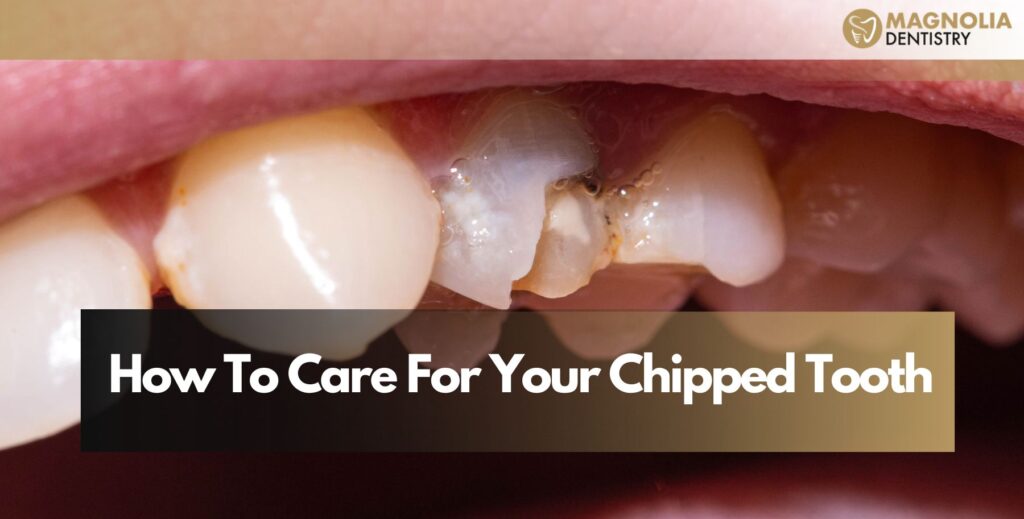
A chipped tooth occurs when a piece of your tooth’s enamel breaks off. The severity can range from a minor cosmetic chip affecting just the outer layer to a more serious fracture that exposes the inner layers of your tooth, including the sensitive dentin or even the pulp containing nerves and blood vessels.
Common causes include biting down on hard foods like ice or candy, dental trauma from accidents or sports injuries, grinding your teeth (bruxism), weakened tooth structure from Tooth Decay or large fillings, and sudden temperature changes in your mouth. Understanding the cause helps prevent future chips and guides your treatment options.
Immediate Steps After Chipping Your Tooth
The moments immediately following a tooth injury are crucial. Taking the right steps can minimize pain, prevent infection, and protect what remains of your tooth until you can see a dental professional.
Rinse Your Mouth
Gently rinse your mouth with warm water or a saltwater solution to clean the area and remove any loose fragments. This helps prevent bacteria from entering the damaged area and reduces the risk of infection. Be gentle, avoid vigorous swishing that might cause additional discomfort or bleeding.
Save the Tooth Fragment
If you can find the broken piece of your tooth, save it! Place it in a clean container with milk or your saliva. In some cases, your dentist may be able to reattach the fragment using dental bonding techniques, especially if it’s a larger piece and you seek treatment quickly.
Manage Pain and Swelling
Apply a cold compress to the outside of your cheek near the affected area to reduce swelling and numb pain. Over-the-counter pain relievers like ibuprofen or acetaminophen can help manage discomfort. If the chip has created a sharp edge that’s cutting your tongue or cheek, cover it with dental wax or sugar-free gum as a temporary measure.
Contact Your Dentist Immediately
Even if the chip seems minor, schedule an appointment with a Dentist in Burbank, CA as soon as possible. What appears to be a small cosmetic issue on the surface might indicate deeper structural damage. Prompt professional evaluation ensures that you receive the appropriate treatment before complications develop.
Professional Treatment Options for Chipped Teeth
The treatment your dentist recommends depends on the size and location of the chip, the extent of damage, and whether the tooth’s inner structures are affected. Here are the most common treatment options:
Dental Bonding
For minor chips, dental bonding is often the simplest and most cost-effective solution. Your dentist applies a tooth-colored composite resin to the chipped area, sculpts it to match your natural tooth shape, and hardens it with a special light. This procedure typically takes 30-60 minutes and can last several years with proper care.
Dental Veneers
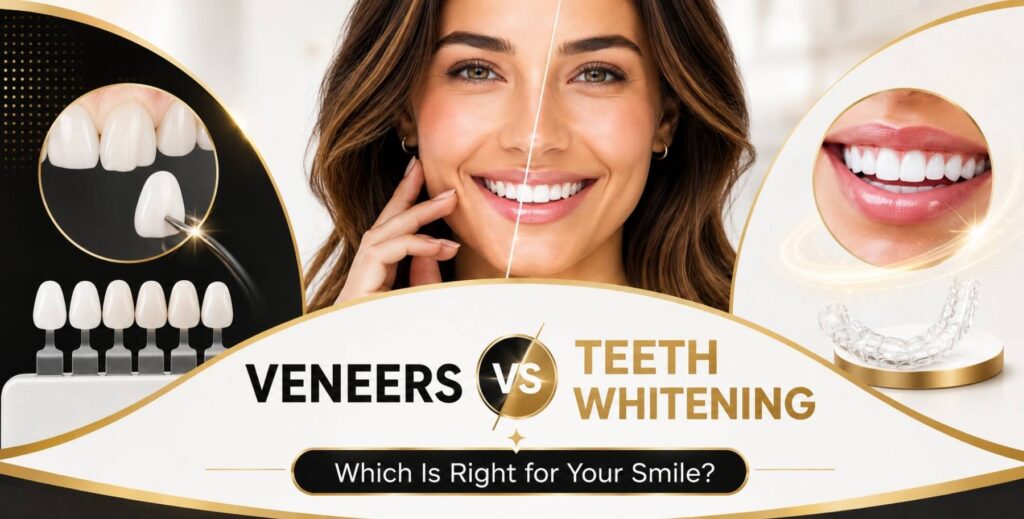
If the chip is on a front tooth and affects your appearance, a porcelain veneer might be recommended. Veneers are thin shells of porcelain or composite material that cover the front surface of your tooth. They provide excellent aesthetic results and durability, typically lasting 10-15 years or longer.
Dental Crowns
For larger chips or when a significant portion of the tooth is missing, a dental crown (cap) may be necessary. Crowns cover the entire visible portion of your tooth above the gum line, providing protection and restoring full function. They’re especially important for back teeth that endure significant chewing pressure.
Root Canal Treatment
If the chip is deep enough to expose the pulp (the tooth’s nerve center), you may need a root canal before other restorative treatments. This procedure removes the damaged or infected pulp tissue, cleans the root canals, and seals the tooth to prevent further infection. Despite their reputation, modern root canal treatments are relatively comfortable and can save your natural tooth.
Tooth Extraction
In rare cases where the damage is too severe to repair, Tooth Extraction may be the only option. Your dentist will discuss tooth replacement options such as dental implants, bridges, or partial dentures to restore your smile and maintain proper bite alignment.
At-Home Care After Treatment
Once you’ve received professional treatment, proper aftercare is essential for healing and maintaining your dental restoration. Here’s how to care for your treated tooth:
Practice Excellent Oral Hygiene
Continue brushing twice daily with a soft-bristled toothbrush and fluoride toothpaste. Floss daily, being gentle around the treated area. Good oral hygiene prevents decay and helps your restoration last longer.
Watch What You Eat
Avoid biting directly on hard foods like ice, hard candy, popcorn kernels, or nuts with your treated tooth. Stick to softer foods for the first few days after treatment, and be mindful of extremely hot or cold foods if you’re experiencing sensitivity.
Protect Your Teeth
If you play contact sports, wear a mouthguard to protect your teeth from trauma. If you grind your teeth at night, ask your dentist about a custom night guard to prevent damage from bruxism.
Attend Follow-Up Appointments
Keep all scheduled follow-up appointments so your dentist can monitor the healing process and ensure your restoration is functioning properly. Regular dental checkups every six months help catch any potential issues early.
Preventing Future Chipped Teeth
While accidents happen, you can take steps to minimize your risk of chipping teeth in the future:
Avoid using your teeth as tools to open packages or bottles. Don’t chew on hard objects like pens, pencils, or ice. Maintain strong, healthy teeth through a balanced diet rich in calcium and vitamin D. Addressing any existing dental issues promptly cavities and worn fillings weaken tooth structure and increase chip risk.
Conclusion
A chipped tooth doesn’t have to be a crisis. With immediate first aid, prompt professional care, and proper follow-up, you can restore your tooth’s appearance and function while preventing complications. Whether you need simple bonding or more extensive restoration, modern dentistry offers effective solutions for every situation. Don’t wait, protecting your oral health starts with taking action today.
Frequently Asked Questions (FAQs)
Can a chipped tooth heal on its own?
No, unlike bones, teeth cannot regenerate or heal themselves. The enamel that makes up the outer layer of your tooth is not living tissue and cannot repair itself. Once a tooth is chipped, it requires professional dental treatment to restore its structure and function. Leaving a chipped tooth untreated can lead to further damage, decay, or infection.
How much does it cost to fix a chipped tooth?
The cost varies depending on the severity of the chip and the treatment required. Minor dental bonding can range from $100 to $400 per tooth. Veneers typically cost between $500 to $2,500 per tooth. Dental crowns range from $800 to $3,000. Many dental insurance plans cover at least a portion of these costs, especially when the treatment is medically necessary rather than purely cosmetic.
Is a chipped tooth considered a dental emergency?
It depends on the severity. A minor chip with no pain isn’t typically an emergency, but you should still see a dentist within a few days. However, if you experience severe pain, bleeding that won’t stop, a large piece broken off, exposed nerves, or sharp edges cutting your mouth, seek emergency dental care immediately.
How long do dental bonding and other repairs last?
Dental bonding typically lasts 5-10 years with proper care. Veneers can last 10-15 years or longer. Dental crowns often last 15-20 years or more. The longevity of any restoration depends on factors like your oral hygiene habits, diet, whether you grind your teeth, and how well you follow your dentist’s aftercare instructions.
Will my dental insurance cover chipped tooth repair?
Most dental insurance plans cover chipped tooth repair when it’s medically necessary to restore function or prevent further damage. However, purely cosmetic procedures may not be covered. Coverage typically ranges from 50-80% depending on your plan and whether the treatment is classified as basic or major. Always check with your insurance provider and dental office before proceeding with treatment.
Can I still eat normally with a chipped tooth?
For minor chips, you may be able to eat normally with some caution. Avoid chewing directly on the damaged tooth and stay away from hard, crunchy, or sticky foods. For more significant chips, it’s best to stick to soft foods until you receive professional treatment. If you experience pain or sensitivity while eating, contact your dentist promptly.