Dental crowns are one of the most common restorative treatments in dentistry, helping millions of people restore damaged or weakened teeth each year. While these restorations are generally safe and well-tolerated, some patients experience unexpected reactions to the materials used in their crowns. Understanding the dental crown allergy symptoms can help you identify whether your post-procedure discomfort is normal healing or something that requires immediate attention from your dental professional.
Allergic reactions to dental crowns, though relatively rare, can range from mild irritation to more serious systemic responses. These reactions may develop immediately after crown placement or emerge gradually over weeks or even months. The materials used in modern dental crowns including various metals, ceramics, and bonding cements each carry their own potential for triggering allergic responses in sensitive individuals. Recognizing the warning signs early allows for prompt intervention, which can prevent complications and ensure your comfort and oral health.
This comprehensive guide will help you understand what constitutes an allergic reaction to dental crown materials, how to distinguish allergic responses from normal post-procedure sensitivity, and what steps you should take if you suspect you’re experiencing a reaction. Whether you’ve recently received a crown or are planning to get one, this information empowers you to make informed decisions and advocate for your health.
Table of Contents
Understanding Dental Crown Materials and Allergens
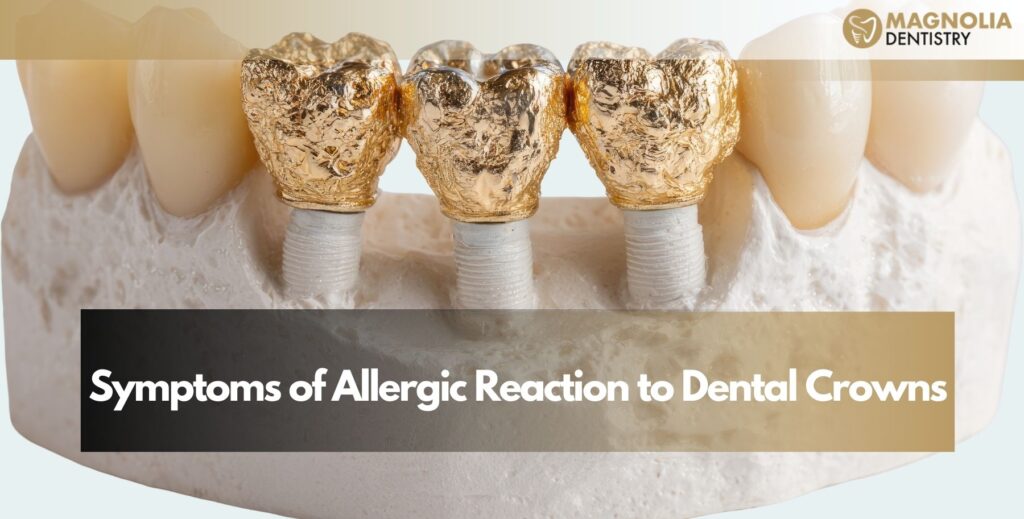
Dental crowns can be fabricated from a variety of materials, each with distinct properties and potential allergens. The most common materials include porcelain-fused-to-metal (PFM) crowns, all-metal crowns, all-ceramic or all-porcelain crowns, and zirconia crowns. Additionally, the cement used to bond the crown to your tooth contains various chemical compounds that can trigger reactions in susceptible individuals. Understanding these materials helps identify potential allergens and informs treatment decisions.
Metal crown tooth side effects have been documented in dental literature for decades, with nickel, chromium, and cobalt being the most common metallic allergens. Gold alloys, while generally well-tolerated, can also cause reactions in rare cases. The increasing popularity of metal-free options reflects both aesthetic preferences and growing awareness of metal sensitivities among dental patients and professionals.
Common Metallic Allergens in Crowns
Metal crowns and the metal substructures in porcelain-fused-to-metal crowns often contain nickel, which is one of the most common contact allergens worldwide. Studies suggest that approximately 10-20% of the population has some degree of nickel sensitivity. Chromium and cobalt, also frequently used in dental alloys, can trigger similar allergic responses. Even precious metal alloys containing gold, palladium, or platinum may cause reactions in highly sensitive individuals.
When you have a metal sensitivity, the constant contact between the crown material and your oral tissues can lead to chronic inflammation. Saliva can cause metal ions to leach from the crown surface, which your immune system may recognize as foreign substances. This triggers an inflammatory response that manifests as various symptoms affecting your mouth and potentially your entire body.
Ceramic and Porcelain Components
While ceramic and porcelain crowns are often marketed as hypoallergenic alternatives to metal crowns, they’re not entirely free from potential allergens. Porcelain allergy is extremely rare but can occur due to trace metals used as colorants or bonding agents within the ceramic material. Some ceramic formulations contain aluminum oxide or other compounds that may trigger sensitivity in certain individuals.
The glazing materials applied to porcelain crowns to achieve a natural shine can also contain substances that cause reactions. However, it’s worth noting that true allergic reactions to pure ceramic materials are exceptionally uncommon, making all-ceramic crowns the preferred choice for patients with known metal sensitivities or multiple allergies.
Zirconia as an Alternative Material
Zirconia crowns have gained popularity as a biocompatible, metal-free option that combines strength with aesthetics. Zirconia is a crystalline oxide of zirconium, a material with excellent biocompatibility and minimal allergenic potential. However, zirconia crown allergy symptoms can still occur in rare cases, though they’re significantly less common than reactions to metal-based crowns.
Some documented reactions to zirconia crowns may actually be responses to contaminants in the manufacturing process or to radioactive elements that can be present in certain zirconia sources. High-quality, properly processed dental-grade zirconia is considered one of the safest crown materials for patients with sensitivities or multiple allergies.
Dental Cement Allergies
The cement used to bond your crown to the prepared tooth is another potential source of allergic reactions. Allergic reactions to dental crown cement can occur due to various components in different cement formulations. Resin-based cements may contain methacrylates, BIS-GMA, HEMA, or other chemical compounds known to cause sensitivity or allergic responses in some patients.
Glass ionomer cements, zinc phosphate cements, and other bonding agents each have their own chemical profiles with varying allergenic potential. Some patients react to eugenol, a compound derived from clove oil that’s used in temporary cements. Your dentist can select alternative cement formulations if you have known sensitivities to specific compounds.
Individual Susceptibility Factors
Not everyone exposed to potential allergens will develop reactions. Individual susceptibility depends on genetic factors, previous sensitization to related substances, overall immune system function, and the specific composition of your crown and cement. Patients with a history of metal allergies, contact dermatitis, or multiple chemical sensitivities face higher risk of developing allergic reactions to crown materials.
Your body’s response also depends on the extent of exposure factors like the crown’s surface area, how well it fits, and whether rough edges or gaps allow increased contact between the material and your tissues. Poor-fitting crowns that trap food debris or irritate surrounding gum tissue can exacerbate allergic responses or create conditions that mimic allergic symptoms.
Recognizing Oral and Local Symptoms
When you develop an allergy to your dental crown, your mouth often provides the first and most obvious warning signs. These local symptoms affect the tissues in direct contact with the crown material, your gums, tongue, cheeks, and the tooth itself. Understanding these manifestations helps distinguish allergic reactions from other dental problems like infection, poor crown fit, or normal post-procedure sensitivity.
Local allergic responses typically develop gradually rather than appearing suddenly, though timing can vary. Some patients notice symptoms within days of crown placement, while others don’t experience problems until weeks or months later as sensitization develops. The key is recognizing patterns and changes that persist beyond the normal healing period or worsen over time.
Persistent Gum Inflammation and Redness
One of the earliest and most common signs of crown material allergy is inflammation of the gum tissue surrounding the crown. You might notice that the gums around your crowned tooth appear redder than the gums around your other teeth, with the redness persisting or worsening over time rather than improving. The affected tissue may look swollen, puffy, or shiny, and it might bleed easily when you brush or floss.
This gingival inflammation differs from typical gingivitis in that it’s localized specifically around the crown rather than affecting multiple teeth. The inflammation may extend to areas where your cheek or tongue regularly contacts the crown surface. Unlike bacterial inflammation that responds to improved oral hygiene, allergy-related gum inflammation persists despite excellent cleaning practices.
Oral Discomfort and Burning Sensations
Many patients with crown allergies report unusual sensations in their mouth that they describe as burning, tingling, itching, or general discomfort. These feelings may be localized to the area immediately surrounding the crown or may affect larger portions of your mouth, particularly the tongue and inner cheeks. The sensation often intensifies throughout the day as exposure continues.
Some people experience a metallic taste that persists despite brushing, rinsing, or eating. This taste can be particularly pronounced with metal crowns as metal ions leach into saliva. The burning sensation, sometimes called burning mouth syndrome when severe, can significantly impact your quality of life, affecting eating, speaking, and overall comfort.
Unusual Tissue Changes and Lesions
Allergic responses to crown materials can cause visible changes in your oral tissues. You might develop white patches (leukoplakia), red patches (erythroplakia), or areas of tissue that appear different in texture or color from surrounding areas. Some patients notice small blisters, ulcers, or erosions on tissues that contact the crown, particularly on the tongue or inner cheek.
In some cases, the tissue directly adjacent to the crown may appear to recede or pull away, exposing more of the tooth or even the crown margin. This gingival recession differs from recession caused by aggressive brushing or periodontal disease in that it’s specifically localized to the crowned tooth and may progress despite good oral hygiene practices.
Pain and Sensitivity Issues
While some discomfort is normal in the days following crown placement, persistent or worsening pain suggests a problem. Toothache in crown point or pain that radiates from the crowned tooth can indicate various issues, including allergic reactions. This pain may feel different from typical dental pain, less sharp and more like a constant dull ache or pressure sensation.
You might also experience heightened sensitivity to hot or cold temperatures, sweet foods, or pressure when biting. While temporary sensitivity is common after crown placement, true allergic responses often produce sensitivity that doesn’t improve over time or actually worsens as continued exposure triggers more intense immune responses in the surrounding tissues.
Swelling and Tissue Overgrowth
Some allergic reactions manifest as swelling that extends beyond the immediate gum line, potentially affecting your cheek, lip, or even extending toward your jaw. In some cases, chronic irritation from allergenic materials can lead to tissue overgrowth or hypertrophy, where the gum tissue becomes enlarged and covers more of the crown than normal.
This tissue reaction represents your body’s attempt to create a barrier between the allergenic material and the rest of your oral cavity. However, the enlarged tissue can trap food and bacteria, leading to secondary infections that complicate the situation. Any persistent swelling or unusual tissue growth around a crown deserves professional evaluation.
Identifying Systemic and Widespread Reactions
While many crown allergies produce primarily local oral symptoms, some individuals experience systemic reactions that affect their entire body. These widespread responses occur when your immune system reacts strongly to the allergenic material, triggering inflammation beyond the immediate area of contact. Systemic symptoms can be more difficult to connect to your dental crown, especially if they develop gradually or appear seemingly unrelated to your oral health.
Understanding that dental materials can provoke body-wide reactions helps explain puzzling symptoms that began after crown placement. The constant exposure to allergens through your oral tissues allows substances to enter your bloodstream, potentially affecting multiple body systems. Recognizing these patterns is essential for identifying the true cause and seeking appropriate treatment.
Skin Reactions and Dermatitis
One of the most common systemic manifestations of crown allergies is skin reactions, particularly contact dermatitis. You might develop rashes, hives, or eczema-like patches on your face, neck, or other parts of your body. The rash may appear around your mouth and chin initially, then potentially spread to other areas. Some patients experience itching, redness, or small bumps that come and go.
These dermatological reactions occur because metal ions or other allergenic compounds absorbed through your oral mucosa circulate in your bloodstream and can trigger immune responses in your skin. The reaction pattern may be similar to other contact dermatitis you’ve experienced from jewelry, clothing fasteners, or other metal-containing items that touch your skin.
Headaches and Facial Discomfort
Some individuals with crown allergies report persistent headaches that began after their crown was placed. These headaches may feel like tension headaches or may manifest as facial pain or pressure. The inflammation triggered by the allergic response can affect nearby structures, including the temporomandibular joint, sinuses, and facial muscles.
You might experience jaw tension, difficulty fully opening your mouth, or pain when chewing that extends beyond the crowned tooth itself. Some patients describe a feeling of pressure or fullness in their face that doesn’t resolve with typical headache remedies. While these symptoms can have multiple causes, their onset coinciding with crown placement suggests a potential connection.
Respiratory and Sinus Symptoms
Though less common, some patients with dental material allergies develop respiratory symptoms including nasal congestion, sinus pressure, or difficulty breathing. These symptoms may result from inflammatory responses affecting your upper respiratory tract or from direct irritation if you’re swallowing allergen-containing saliva throughout the day.
If your crown is in your upper jaw, chronic inflammation from allergic reactions can affect your maxillary sinuses, leading to sinusitis-like symptoms. You might experience post-nasal drip, coughing, or a feeling of mucus in your throat. These respiratory manifestations can be particularly confusing because they mimic common conditions like colds or seasonal allergies.
Fatigue and General Malaise
Chronic allergic reactions can take a significant toll on your energy levels and overall sense of wellbeing. Your immune system’s constant activation to fight what it perceives as a foreign invader requires substantial energy, potentially leaving you feeling perpetually tired or run down. You might notice decreased stamina, difficulty concentrating, or a general feeling of being unwell without an obvious cause.
Some patients describe feeling “foggy” or having difficulty thinking clearly, symptoms sometimes referred to as brain fog. These systemic effects reflect the body-wide inflammatory processes triggered by the allergic response. While fatigue can have countless causes, its development or worsening after crown placement, particularly when accompanied by other symptoms, warrants investigation.
Gastrointestinal Disturbances
Some individuals experience digestive symptoms related to their crown allergies, particularly if they’re swallowing saliva containing allergenic metal ions or chemical compounds throughout the day. You might notice nausea, stomach discomfort, or changes in bowel habits. While these symptoms are less common than oral or dermatological reactions, they can occur in sensitive individuals with strong systemic responses.
The constant exposure to allergens through swallowed saliva can irritate your gastrointestinal tract or trigger immune responses that affect digestive function. If you notice digestive changes that began after crown placement and persist beyond the initial adjustment period, consider discussing this with both your dentist and physician to explore potential connections.
Diagnosis and Testing for Crown Allergies
If you suspect you’re experiencing an allergic reaction to your dental crown, proper diagnosis is essential for confirming the cause and determining the best treatment approach. Your dentist will conduct a thorough evaluation that includes your medical and dental history, a physical examination of your oral cavity, and potentially additional testing to identify specific allergens. This diagnostic process helps distinguish true allergic reactions from other conditions with similar symptoms.
Accurate diagnosis prevents unnecessary crown replacement while ensuring that genuine allergies receive appropriate treatment. The process typically involves collaboration between your dentist, allergist, and possibly other medical specialists to provide comprehensive evaluation and care. Understanding what to expect during diagnosis helps you prepare and actively participate in determining the cause of your symptoms.
Comprehensive Medical and Dental History
Your dentist will begin by asking detailed questions about when your symptoms began, how they’ve progressed, and whether you have a history of allergies to metals, medications, or other substances. Information about previous dental work, jewelry reactions, or contact dermatitis from metal-containing items provides valuable clues. Your dentist will also want to know about all medications you take and any other medical conditions you have.
Be prepared to describe your symptoms in detail, including their location, severity, timing, and any factors that make them better or worse. Bring a list of all dental work you’ve had, particularly if you’ve had crowns, fillings, or other restorations placed around the same time your symptoms developed. This comprehensive history helps identify patterns and potential connections.
Clinical Oral Examination
Your dentist will carefully examine your mouth, looking for signs of inflammation, tissue changes, or other abnormalities around the crowned tooth and throughout your oral cavity. They’ll assess the crown’s fit, check for rough edges or overhangs that might be causing mechanical irritation, and evaluate the health of surrounding gum tissue. Differentiating between allergic inflammation and other causes requires careful clinical assessment.
Your dentist may also look for patterns in tissue reactions for example, whether inflammation is localized specifically where your tissue contacts the crown material or whether it’s more generalized. They’ll check for secondary infections that might have developed due to chronic inflammation, as bacterial or fungal overgrowth can complicate the clinical picture and require additional treatment.
Patch Testing for Allergen Identification
The gold standard for identifying specific dental material allergies is patch testing, typically performed by an allergist or dermatologist. During patch testing, small amounts of various dental materials and chemical compounds are applied to your skin (usually on your back) and covered with adhesive patches. After 48-72 hours, the patches are removed and your skin is examined for reactions.
Positive reactions appear as redness, swelling, or irritation at specific test sites, indicating sensitivity to those materials. This testing can identify allergies to specific metals (nickel, chromium, cobalt, gold), dental cement components (methacrylates, HEMA, eugenol), and other substances used in crown fabrication. The results guide material selection for any future dental work and help confirm whether crown replacement is necessary.
Blood Tests and Additional Laboratory Work
In some cases, your healthcare provider may recommend blood tests to assess your immune system’s response or to rule out other conditions that might cause similar symptoms. While less specific than patch testing for dental material allergies, blood work can identify elevated inflammatory markers, immune system abnormalities, or other health issues that might contribute to your symptoms.
Blood tests called RAST (radioallergosorbent test) or ELISA can detect antibodies to specific allergens, though these tests are less commonly used for dental material allergies than patch testing. Your doctor might also check for autoimmune conditions or vitamin deficiencies that can cause oral symptoms similar to allergic reactions.
Differential Diagnosis Considerations
Your dentist must consider other conditions that can mimic crown allergies, including bacterial infections, fungal infections (oral thrush), poorly fitting crowns causing mechanical irritation, tooth decay under the crown, or root canal failure. Burning mouth syndrome, lichen planus, and various autoimmune conditions can produce symptoms similar to allergic reactions but require different treatments.
Distinguishing between these conditions requires careful evaluation and sometimes a process of elimination. Your dentist might recommend treating any active infections first, adjusting the crown if fit issues exist, or monitoring your symptoms over time to see if they resolve with conservative management before pursuing more invasive options like crown replacement.
Treatment Options and Management Strategies
Once a crown allergy is confirmed, several treatment approaches can address your symptoms and eliminate your exposure to the problematic material. The specific treatment plan depends on the severity of your reaction, which material is causing the problem, your overall health, and practical considerations like cost and time. Most cases require crown replacement with a biocompatible alternative, though symptom management during the transition period may also be necessary.
Your dentist will work with you to develop a comprehensive treatment plan that addresses both immediate symptom relief and long-term resolution. In cases of severe reactions, prompt intervention is essential, while milder reactions may allow for more gradual approaches. Understanding your options empowers you to make informed decisions about your care.
Crown Replacement with Biocompatible Materials
The definitive treatment for crown allergies is removing the offending crown and replacing it with one made from materials you don’t react to. Based on your patch test results, your dentist can select appropriate alternatives. For patients with metal allergies, all-ceramic crowns, zirconia crowns, or porcelain crowns without metal substructures provide metal-free options with excellent biocompatibility and aesthetic results.
Zirconia has become increasingly popular for metal-sensitive patients because it combines the strength needed for posterior teeth with excellent biocompatibility. High-quality ceramic materials like lithium disilicate also offer strong, attractive alternatives. Your dentist will consider factors like which tooth is being restored, your bite forces, aesthetic requirements, and your specific allergy profile when recommending materials.
Alternative Cement Selection
If your reaction is specifically to the dental cement rather than the crown material itself, your dentist may be able to replace the crown using a different cement formulation. Various cement types exist, including resin-based cements, glass ionomer cements, zinc phosphate cements, and newer bioactive materials. Each has different chemical compositions, and alternatives may be available if you’ve reacted to one type.
Your patch testing results will guide cement selection, helping your dentist avoid known allergens while choosing a product that provides adequate bond strength for your specific situation. In some cases, simply changing the cement while keeping the same crown can resolve symptoms, though this approach only works if the crown material itself isn’t problematic.
Symptom Management During Treatment
While planning and completing crown replacement, you may need strategies to manage your symptoms. Anti-inflammatory medications, both topical and systemic, can help reduce discomfort and inflammation. Your dentist might prescribe medicated rinses, topical corticosteroids, or antihistamines to provide temporary relief. Good oral hygiene remains essential to prevent secondary infections.
Avoiding irritating foods, using sensitive-tooth toothpaste, and rinsing with warm salt water can provide some comfort. If you’re experiencing significant pain or swelling, over-the-counter pain relievers like ibuprofen can help, though these don’t address the underlying cause. The goal of symptom management is keeping you comfortable while working toward definitive treatment.
Prevention of Future Allergic Reactions
Once you’ve identified specific allergies through testing, inform all your healthcare providers, especially dentists and physicians who might prescribe medications or procedures involving those substances. Consider wearing medical alert identification noting your allergies. Before any future dental work, remind your dentist of your sensitivities so they can select appropriate materials from the outset.
Keeping a copy of your patch test results provides a valuable reference for future dental treatment planning. Some patients choose to work exclusively with dentists who have experience treating metal-sensitive patients and access to a wide range of biocompatible materials. Being proactive about communicating your allergies prevents future reactions and ensures all dental work is planned with your sensitivities in mind.
Long-Term Monitoring and Follow-Up
After crown replacement with biocompatible materials, your dentist will schedule follow-up appointments to monitor healing and ensure your symptoms resolve. Most patients experience significant improvement within days to weeks after removing the allergenic material, though complete resolution may take longer depending on the severity of the initial reaction. Regular monitoring ensures no new problems develop and that the replacement crown functions properly.
Continue attending routine dental checkups every six months even after symptoms resolve. Your dentist will examine the replaced crown and surrounding tissues, verifying that no inflammation or other issues recur. Maintaining excellent oral hygiene and promptly addressing any new dental problems helps preserve both the replacement crown and your overall oral health.
Conclusion
Recognizing the symptoms of allergic reactions to dental crowns empowers you to identify problems early and seek appropriate treatment. While crown allergies are relatively uncommon, they can significantly impact your comfort and quality of life when they occur. From local oral symptoms like gum inflammation and burning sensations to systemic reactions affecting your skin, energy levels, and overall wellbeing, these allergies manifest in diverse ways that require careful evaluation and proper diagnosis.
The good news is that effective solutions exist. Modern dentistry offers numerous biocompatible materials that can replace problematic crowns, eliminating your exposure to allergens while restoring both function and aesthetics. Proper diagnosis through comprehensive examination and testing ensures accurate identification of specific allergens, guiding appropriate material selection for future dental work. With the right approach, most patients experience complete resolution of symptoms and can enjoy comfortable, successful dental restorations.
If you’re experiencing unusual symptoms after crown placement or suspect you might be having an allergic reaction to your dental restoration, don’t hesitate to seek professional evaluation. The experienced team at your trusted Dentist in Burbank, CA specializes in addressing complex dental concerns, including material sensitivities and allergic reactions. Dr. Liyan Massaband and the professionals at Magnolia Dentistry offer comprehensive diagnostic services and access to a wide range of biocompatible materials to ensure your dental restorations support both your oral health and your overall wellbeing. Contact the office today to schedule a consultation and take the first step toward comfortable, successful dental care that’s tailored to your unique needs.
Frequently Asked Questions
Can an allergic reaction cause diarrhea?
Yes, allergic reactions can sometimes cause gastrointestinal symptoms including diarrhea, particularly if you’re swallowing allergens throughout the day. However, diarrhea is more commonly a side effect of medications than a direct allergic symptom. Consult your healthcare provider if diarrhea persists.
What are 5 symptoms of an allergic reaction?
Common allergic reaction symptoms include redness and swelling at the contact site, itching or burning sensations, rash or hives, difficulty breathing or throat tightness, and stomach discomfort. Severity ranges from mild irritation to life-threatening anaphylaxis requiring emergency care.
How long will my mouth be sensitive after a crown?
Normal post-crown sensitivity typically resolves within 2-4 weeks as your tooth adjusts to the restoration. If sensitivity persists beyond a month, worsens over time, or is accompanied by other symptoms, contact your dentist for evaluation as this may indicate a problem.
Can an allergic reaction cause tingling?
Yes, tingling or numbness can occur during allergic reactions, particularly around the mouth and face with dental material allergies. This sensation results from inflammation affecting nerve endings. Severe tingling, especially if spreading or accompanied by breathing difficulty, requires immediate medical attention.
What are the four signs of an allergic reaction?
The four main signs are redness/inflammation, swelling, itching or irritation, and rash or hives. In severe cases, additional symptoms include difficulty breathing, rapid heartbeat, dizziness, and gastrointestinal distress. Any concerning symptoms warrant prompt medical evaluation.
How long does your body take to recover from an allergic reaction?
Mild reactions typically resolve within hours to days once allergen exposure stops. Moderate reactions may take several days to weeks for complete recovery. Severe reactions require immediate treatment and may need longer recovery time. Removing the allergen source is essential for healing.
What are the four stages of an allergic reaction?
The stages are sensitization (first exposure without symptoms), activation (immune system recognizes allergen on repeat exposure), reaction (symptoms appear as immune response activates), and resolution (symptoms decrease as allergen is removed and inflammation subsides). Timing varies by individual.
How can I tell if it is a delayed allergic reaction?
Delayed reactions develop 12-72 hours after exposure rather than immediately. Symptoms gradually worsen over time rather than appearing suddenly. With dental crowns, delayed reactions often emerge days to months after placement. Patch testing can confirm delayed-type hypersensitivity reactions.
How can I make my allergic reaction go away faster?
Remove the allergen source immediately, take antihistamines as directed, apply cold compresses to reduce swelling, avoid scratching or irritating affected areas, stay hydrated, and rest. For severe reactions, seek immediate medical care. Removing allergenic dental materials requires professional treatment.