Full arch implant systems have changed modern dentistry, offering patients a stable, natural-looking, and long-lasting solution for full-mouth tooth replacement. Whether you received an All-on-4 style restoration or a multi-implant supported hybrid bridge, Full Arch Restoration Dental Implants require proper care to stay healthy and stable for decades. The stronger and cleaner the implants remain, the longer your restored smile will perform like natural teeth.
This complete guide explains how to clean, maintain, protect, and monitor your Restoration Dental Implants, why long-term hygiene matters, what foods are safe, and which habits to avoid. It also includes advanced care strategies that help prevent implant complications and keep your smile in excellent condition.
Table of Contents
Understanding Full Arch Restoration Dental Implants
Full arch restorations are advanced implant-supported systems designed to replace all upper or lower teeth with a fixed, durable prosthetic.
What Makes Full Arch Restoration Different?
Unlike removable dentures, Full Arch Restoration Dental Implants are anchored directly into the jawbone using multiple implant posts. These posts act like artificial tooth roots, supporting a custom-made prosthetic that looks and functions like real teeth. This integration provides unmatched stability, chewing power, and comfort.
Components of a Full Arch Restoration System
A complete full arch system typically includes:
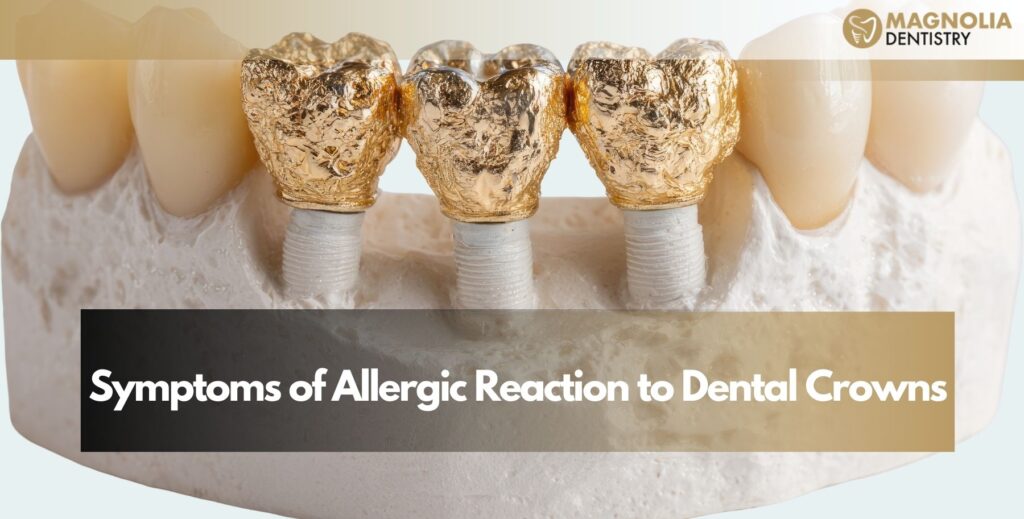
- Titanium implant posts fused to the bone
- A full arch prosthetic made of acrylic, zirconia, or hybrid materials
- Abutments connecting the prosthetic to the implants
- Implant-supported framework ensuring even bite distribution
Understanding these components helps you appreciate why proper care is essential for long-term success.
Why Proper Care Matters for Full Arch Restoration Dental Implants
Caring for Restoration Dental Implants is crucial to prevent complications like gum inflammation, bone loss, or prosthetic wear.
Preventing Peri-Implantitis
Peri-implantitis is an inflammatory disease affecting the tissues around implants. It causes:
- Gum recession
- Bone loss
- Loosening of implants
- Implant failure if untreated
A strong home-care routine dramatically reduces this risk.
Preserving Long-Term Implant Stability
Implants fuse with the jawbone through osseointegration. Maintaining this bond requires clean implant surfaces, healthy gums, and minimal bacterial buildup.
Protecting Your Investment
Full arch systems are a significant investment. With proper care, they can last decades—saving you time, money, and future dental treatment.
Daily Oral Hygiene Tips for Full Arch Implant Care
A consistent cleaning routine is the foundation of implant health.
Brush Twice Daily With a Soft Brush
Use a soft-bristled toothbrush to clean all areas of the prosthetic. Pay special attention to the gumline, which is where plaque tends to accumulate.
Use Low-Abrasive Toothpaste
Avoid whitening or gritty pastes that can scratch the prosthetic surface. Choose implant-friendly formulas instead.
Clean Under the Prosthetic Daily
Food and bacteria accumulate underneath the full arch, making this step essential. Use:
- A water flosser
- Superfloss
- A small interdental brush
Cleaning under the arch prevents inflammation and odor.
Advanced Cleaning Techniques for Full Arch Restoration Dental Implants
Use specialized implant brushes, water flossers, and antimicrobial rinses to remove plaque around the bridge. Gentle daily cleaning keeps tissues healthy and prevents long-term implant complications.
Water Flossers for Deep Cleaning
A water flosser can reach areas traditional floss cannot. Direct the stream gently at the gumline and under the arch to remove plaque.
Interdental Brushes for Precision
A narrow interdental brush helps clean tight spaces around abutments and along the prosthetic edge.
Antibacterial Mouth Rinses
Use an alcohol-free antimicrobial rinse, especially at night, to reduce bacterial growth and protect the gum tissues.
Tongue and Cheek Cleaning
Bacteria on the tongue and cheeks can transfer to the implants. Use a tongue scraper daily for fresher breath and better implant hygiene.
Protecting Your Full Arch Restoration Implants During Healing
After surgery, proper care supports bone healing and prevents complications.
Follow a Soft Food Diet
During early recovery, choose soft foods such as yogurt, mashed vegetables, soft fish, and eggs to avoid stressing the implants.
Avoid Hard, Crunchy, or Sticky Foods
Chewing hard foods too soon can disrupt osseointegration. Avoid chips, nuts, ice, crusty bread, and sticky candies.
Don’t Touch or Wiggle the Prosthetic
Avoid applying pressure to the restoration with your fingers or tongue. Let the implants heal undisturbed.
Avoid Tobacco and Alcohol
Smoking impairs healing and increases implant failure risk. Alcohol can also irritate tissues during early recovery.
Long-Term Care Tips for Full Arch Restoration Dental Implants
Stay consistent with daily hygiene, avoid harmful habits, and schedule routine exams. Long-term success depends on protecting the gums, monitoring bite changes, and maintaining stable bone support.
Brush Gently but Thoroughly
Your prosthetic teeth may feel sturdy, but the gums around them are sensitive to plaque. Brush with gentle pressure.
Use a Nightguard if You Clench or Grind
Bruxism places excessive strain on implants and can cause fractures in the prosthetic. A custom nightguard protects your restoration.
Maintain a Balanced Diet
Choose foods rich in vitamins, minerals, and protein to support gum and bone health around your implants.
Stay Hydrated
Hydration helps maintain healthy saliva, which naturally cleans the mouth.
Foods to Eat and Avoid With Full Arch Restoration Dental Implants
Choose soft, nutrient-rich foods and avoid hard, sticky, or chewy items. This protects the restoration, reduces stress on implants, and keeps your gums comfortable during healing.
Foods That Are Safe to Eat Long-Term
Once fully healed, you can enjoy:
- Fruits and vegetables
- Pasta, rice, grains
- Soft lean proteins
- Most everyday foods
Foods to Limit or Avoid
Avoid habits that stress the prosthetic, such as:
- Biting ice
- Hard pretzels
- Whole nuts
- Popcorn kernels
- Sticky, chewy candies
Moderation and mindful chewing protect your smile.
Lifestyle Habits That Protect Your Restoration Dental Implants
Quit smoking, limit alcohol, manage stress, and maintain good oral hygiene. Healthy habits support gum health, reduce inflammation, and help your implants function reliably for decades.
Avoid Using Your Teeth as Tools
Never use your implants to open packages, bite nails, or hold objects.
Limit Sugar and Acids
Sugars and acids feed harmful bacteria that affect the gums around your implants.
Keep Up With Regular Exercise and Healthy Habits
Overall health including blood sugar control affects implant longevity.
Recognizing Warning Signs of Implant Problems
Watch for swelling, bleeding gums, discomfort, loosening, or bad breath. Early detection of these symptoms prevents complications and protects the stability and health of your implants.
Early Symptoms to Watch For
Contact your dentist if you notice:
- Persistent bad breath
- Bleeding gums
- Loose-feeling prosthetic
- Pain when chewing
- Changes in bite
- Gum swelling
When to Seek Immediate Care
Severe swelling, pus, fever, or intense pain may indicate infection requiring prompt treatment.
Regular Dental Checkups Keep Implants Healthy
Routine visits allow your dentist to check gum health, tighten components, remove deep plaque, and monitor bone levels. Professional maintenance keeps your restoration functioning properly.
Professional Cleanings Every 3–4 Months
Implant-safe tools remove plaque without scratching implant surfaces.
Annual Exams and X-Rays
Monitoring bone levels around implants prevents long-term issues.
Proactive Adjustments
Your dentist can tighten screws, realign bite issues, and update your care plan as needed.
Maintaining Your Full Arch Restoration Dental Implants for Life
Daily cleaning, smart food choices, and regular dental care protect your implants for decades. Consistency ensures lasting comfort, strong bite function, and a confident, natural smile.
Practice Consistent Oral Hygiene
Clean thoroughly every day morning and night.
Follow Dentist-Recommended Maintenance
Professional cleanings, scheduled exams, and bite adjustments extend the life of your restoration.
Live a Healthy Lifestyle
Your overall health including diet, hydration, and habits supports implant longevity.
Conclusion
Full Arch Restoration Dental Implants offer a powerful, long-lasting solution for patients seeking a stable, natural smile that restores full function. Whether you received an All-on-4, hybrid bridge, or full implant-supported prosthesis, caring for your implants correctly ensures decades of comfort, confidence, and strong oral health. A daily hygiene routine, mindful eating habits, and regular dental visits with a trusted Dentist in Burbank, CA are essential for protecting your investment and preventing complications like gum inflammation or implant failure.
With the right care, your full arch implants can look beautiful, feel comfortable, and function like natural teeth for life. And remember, your dental team is your biggest ally in maintaining a healthy smile. Work closely with your dentist, follow recommended maintenance, and enjoy the long-term benefits of your restored teeth.
FAQs
How often should I clean Full Arch Restoration Dental Implants?
Brush twice a day, clean under the prosthetic daily, and use a water flosser at night.
Can food get stuck under full arch implants?
Yes, which is why cleaning under the bridge with a water flosser or interdental brush is essential.
Do full arch implants feel like natural teeth?
Yes once healed, they feel very similar in function, stability, and bite strength.
What foods should I avoid with full arch implants?
Hard, sticky, or overly crunchy foods like popcorn kernels, ice, and hard nuts should be limited.
How long do full arch implants last?
With proper care and regular checkups, they can last several decades and often a lifetime.
Are full arch implants painful?
The procedure includes anesthesia, and recovery discomfort is usually mild and short-term.
Do I still need dental checkups?
Yes, professional cleanings every 3–4 months are essential to remove buildup and protect your implants.