When facing tooth loss, choosing the right replacement option is crucial for maintaining your oral health, functionality, and confidence. Two of the most popular solutions are dental bridges and dental implants, each offering unique advantages and considerations. Understanding the differences between these treatments will help you make an informed decision that best suits your individual needs, lifestyle, and budget.
Both dental bridges and dental implants serve the same primary purpose: replacing missing teeth to restore your smile and oral function. However, they differ significantly in their approach, longevity, cost, and impact on surrounding teeth. This comprehensive guide will explore every aspect of both treatments to help you determine which option is right for you.
Understanding Dental Bridges
A dental bridge is a custom-made restoration designed to fill the empty space left by a missing tooth or several missing teeth. It works by connecting an artificial tooth to the teeth or implants located next to the gap, creating a stable and natural-looking replacement.
Traditional bridges remain the most widely used option. In this design, the teeth on either side of the gap are reshaped and fitted with crowns, which hold the replacement tooth securely in place.
A cantilever bridge is used when there is only one healthy tooth available for support. Because all the pressure rests on a single tooth, this type is used more selectively.
Maryland bridges offer a more conservative approach. Instead of placing crowns, a small metal or porcelain wing is bonded to the back of the supporting teeth, preserving much more of the natural tooth structure.
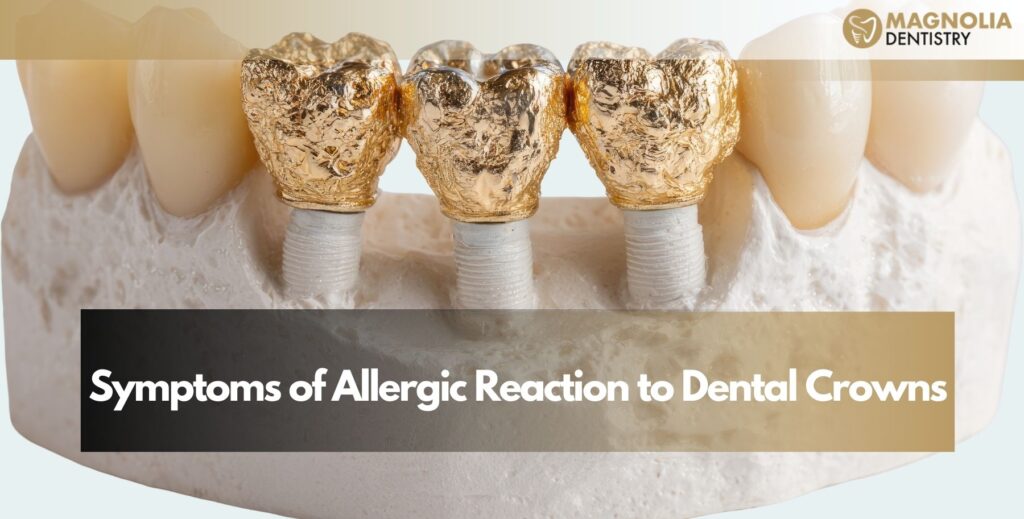
For patients missing several teeth in a row, implant-supported bridges provide exceptional strength and stability. Instead of relying on natural teeth, this option attaches the bridge to dental implants, creating a durable, long-term solution.
How Dental Bridges Work
The bridge procedure typically requires two to three visits. During the first appointment, the abutment teeth (supporting teeth) are prepared by removing a portion of enamel to accommodate crowns. Impressions are taken to create a custom bridge in a dental laboratory.
A temporary bridge protects the prepared teeth while the permanent restoration is being fabricated. During the final appointment, the temporary bridge is removed, and the permanent bridge is carefully fitted and cemented in place. The entire process usually takes two to four weeks to complete.
Understanding Dental Implants
A dental implant is a titanium post that is surgically placed into the jawbone to replace the root of a missing tooth. Once the implant integrates with the bone through a process called osseointegration, it can support a crown, bridge, or denture.
Components of Dental Implants
The implant fixture is the titanium screw that is placed into the jawbone and serves as the artificial tooth root. The abutment is a connector piece that attaches to the implant and holds the crown. The crown is the visible portion that looks and functions like a natural tooth.
The Implant Process
Implant placement is typically performed under local anesthesia and involves creating a small hole in the jawbone where the implant is inserted. The healing period can take three to six months, during which osseointegration occurs. Once healing is complete, the abutment and crown are attached to complete the restoration.
Some patients may require additional procedures such as bone grafting or sinus lifts if there is insufficient bone density to support the implant. These procedures can extend the overall treatment timeline but are essential for long-term success.
Comparing Durability and Longevity
Dental implants typically offer superior longevity, with success rates exceeding 95% and the potential to last a lifetime with proper care. The titanium implant is biocompatible and resistant to decay, while the crown may need replacement every 10-15 years due to normal wear.
Dental bridges generally last 10-15 years, though some may last longer with excellent oral hygiene and regular dental care. The lifespan of a bridge depends on the health of the supporting teeth and the patient’s oral hygiene habits. Unlike implants, bridges are more susceptible to complications such as decay in the supporting teeth or loosening of the cement.
Impact on Adjacent Teeth
One of the most significant differences between these treatments is their impact on neighboring teeth. Dental bridges require the preparation of adjacent healthy teeth, which involves removing tooth structure to accommodate crowns. This irreversible process can weaken these teeth and make them more susceptible to future problems.
Dental implants are standalone restorations that don’t affect adjacent teeth. In fact, they help preserve the surrounding teeth by maintaining proper spacing and preventing tooth movement. Implants also help preserve jawbone density by providing stimulation similar to natural tooth roots.
Oral Hygiene and Maintenance
Implant maintenance is similar to caring for natural teeth, involving regular brushing, flossing, and professional cleanings. Special attention should be paid to the gum line around the implant to prevent peri-implantitis, a condition similar to gum disease.
Bridge maintenance requires special cleaning techniques, including the use of floss threaders or water flossers to clean underneath the pontic. This area is particularly susceptible to plaque accumulation and requires diligent daily cleaning to prevent decay and gum disease in the supporting teeth.
Cost Considerations
When comparing the two treatments, cost is often a major deciding factor. A dental bridge generally has a lower initial price, which makes it an attractive option for patients looking for a more affordable tooth replacement. On average, a traditional dental bridge may cost $1,500 to $3,500 per tooth, depending on the materials used, the number of supporting teeth involved, and the complexity of the case. Because bridges may need to be replaced every 10–15 years, the long-term cost can be higher than it appears upfront.
A dental implant, while significantly more durable, does come with a higher initial investment. The cost of a single implant—including the implant post, abutment, and crown—typically ranges from $3,000 to $6,000 or more per tooth. If bone grafting or additional surgeries are required, the total cost may increase. Even so, implants often prove more cost-effective over time because they can last a lifetime and rarely require major repairs.
Most dental insurance plans offer partial coverage for both dental bridges and dental implants, but the extent of coverage varies widely between providers. Some policies may cover bridges more readily, while others may include implants under certain conditions. Patients are encouraged to review their insurance benefits closely and explore financing options if needed.
Candidacy and Treatment Considerations
Bridge candidacy requires healthy adjacent teeth to serve as abutments and adequate bone support for the restoration. Patients with gum disease or extensive decay in adjacent teeth may not be ideal candidates until these issues are addressed.
Implant candidacy requires sufficient bone density and healthy gums. Patients with medical conditions such as uncontrolled diabetes, certain autoimmune disorders, or those taking specific medications may not be suitable candidates. Smoking significantly affects implant success rates and may disqualify some patients.
Treatment Timeline
Bridge treatment is generally faster, typically completed within 2-4 weeks. This makes bridges an attractive option for patients who need quick tooth replacement or have time constraints.
Implant treatment takes considerably longer, often 3-6 months or more, depending on healing time and whether additional procedures are needed. However, many patients feel the extended timeline is worthwhile for the long-term benefits.
Aesthetic Considerations
Both treatments can provide excellent aesthetic results when properly planned and executed. Modern bridges use high-quality ceramics that closely mimic natural teeth, while implant crowns can be virtually indistinguishable from natural teeth.
Gum health around implants tends to remain more stable over time, potentially providing better long-term aesthetics. Bridges may experience gum recession around the abutment teeth, which can affect the appearance of the restoration.
Making the Right Choice
The decision between a dental bridge and dental implant should be based on multiple factors including your overall oral health, budget, timeline preferences, and long-term goals. Consider your age, as younger patients may benefit more from the longevity of implants, while older patients might prefer the quicker treatment time of bridges.
Your lifestyle factors such as grinding habits, sports participation, and dietary preferences should also be considered. Discuss your medical history and any medications you’re taking, as these can affect treatment outcomes.
Conclusion
Both dental bridges and dental implants are excellent solutions for replacing missing teeth, each with distinct advantages and considerations. Dental implants offer superior longevity, preserve adjacent teeth, and provide the most natural feel and function. Dental bridges offer quicker treatment times and lower initial costs, making them suitable for patients with specific needs or constraints. The best choice depends on your individual circumstances, including oral health status, budget, timeline, and personal preferences. Consulting with an experienced Dentist in Burbank, CA will help you evaluate all factors and determine the most appropriate treatment for your specific situation, ensuring optimal results and long-term satisfaction with your tooth replacement solution.
Frequently Asked Questions
How long do dental bridges and implants last?
Dental implants can last a lifetime with proper care, boasting success rates over 95%. The implant itself is permanent, though the crown may need replacement every 10-15 years. Dental bridges typically last 10-15 years, depending on oral hygiene, the health of supporting teeth, and regular dental maintenance. Some bridges may last longer with excellent care.
Which option is more painful?
Dental bridge preparation involves minimal discomfort, similar to getting a crown, with most patients experiencing only mild sensitivity. Dental implant surgery involves more initial discomfort due to the surgical procedure, but pain is typically manageable with prescribed medications and subsides within a few days. Long-term, implants generally cause less discomfort than bridges.
Can I eat normally with both options?
Both dental bridges and implants restore most chewing function, but implants typically provide better bite force and stability. With bridges, you may need to avoid very hard or sticky foods that could damage the restoration. Implants function most similarly to natural teeth, allowing you to eat virtually any food without restrictions once fully healed.
What happens if a bridge or implant fails?
Bridge failure often involves decay in supporting teeth, loosening, or fracture of the restoration. Failed bridges can usually be replaced, though supporting teeth may require additional treatment. Implant failure is less common but may require removal and possible replacement after healing. Early detection through regular dental visits helps address issues before they become serious.
Are there age restrictions for either treatment?
There’s no upper age limit for either treatment in healthy patients. Dental implants require completed jaw development, so they’re typically not placed in patients under 18. Bridges can be placed at any age once permanent teeth are present. Overall health and bone density are more important factors than age alone.
How do I choose between a bridge and implant?
Consider factors including your oral health status, budget, timeline preferences, and long-term goals. Evaluate the condition of adjacent teeth, bone density, medical history, and lifestyle factors. Discuss insurance coverage and financing options. Most importantly, consult with your dentist for a comprehensive evaluation and personalized recommendation based on your specific needs and circumstances.