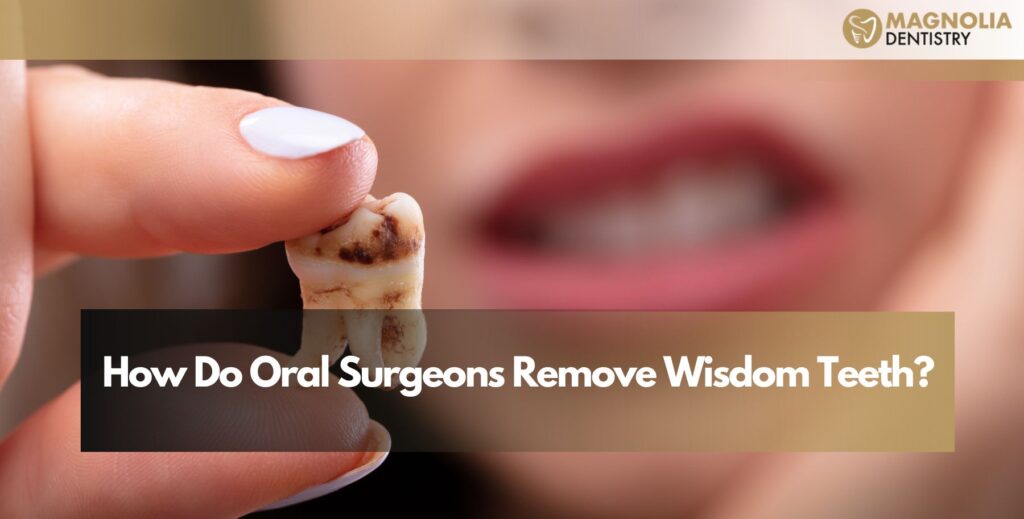
Wisdom teeth, also known as third molars, usually erupt between ages 17 and 25. For many people, these teeth grow without problems, but for others, they cause pain, pressure, infection, or alignment issues. When this happens, an oral surgeon may recommend wisdom teeth removal to protect long-term oral health.
Understanding how oral surgeons perform the procedure helps reduce fear, build confidence, and prepare you for a smooth recovery. This detailed guide explains every step of the surgical process, the tools used, how to prepare for tooth extraction, what happens afterward, and how to recognize signs of wisdom tooth trouble before complications develop.
This article uses dental expertise to help you fully understand the entire process from start to finish.
Table of Contents
Why Wisdom Teeth Need to Be Removed
Wisdom teeth often become problematic because the jaw does not have enough space to accommodate them. This can lead to pain, swelling, infections, and damage to surrounding teeth. Oral surgeons evaluate your teeth with X-rays and determine whether removal is necessary to protect your smile.
Common Problems Caused by Wisdom Teeth
Many people experience pressure, inflammation, or infection around wisdom teeth. These issues may occur because wisdom teeth are trapped beneath the gums or grow sideways. If left untreated, they can disturb nearby teeth, contribute to shifting, and create pockets where harmful bacteria accumulate.
Understanding Impaction Types
Wisdom teeth may be partially erupted, fully unerupted, or completely trapped in the bone. An oral surgeon classifies impaction based on the tooth’s angle and depth. This assessment helps determine the complexity of the extraction and the proper surgical approach.
When Your Dentist Recommends Removal
Removal is often advised when pain, recurrent swelling, gum inflammation, or changes in bite occur. In some cases, removal is recommended even before symptoms develop to prevent future complications. Early extraction usually results in easier healing and fewer risks.
How Oral Surgeons Prepare for the Procedure
Before removing your wisdom teeth, an oral surgeon performs a thorough evaluation, including X-rays, medical history review, and anesthetic planning. Proper preparation ensures a safe, predictable treatment and a comfortable patient experience.
Reviewing Your Medical and Dental History
The surgeon examines your health conditions, medications, allergies, and previous surgical experiences. This helps determine the best anesthetic option and whether additional precautions are needed during surgery.
Using Diagnostic Imaging
Advanced imaging techniques, such as panoramic X-rays or CBCT scans, allow the surgeon to see the exact position of your wisdom teeth. These images reveal root shape, nerve location, and the bone surrounding each tooth, all of which influence the surgical method.
Planning Sedation and Anesthesia
You and your oral surgeon will choose between local anesthesia, IV sedation, or general anesthesia. Many patients prefer IV sedation for comfort and relaxation. Your surgeon explains each option and ensures you know how to prepare for tooth extraction properly.
Step-by-Step Process of Wisdom Teeth Removal
Wisdom tooth extraction is a highly structured procedure. Oral surgeons use advanced tools and techniques to remove the tooth as gently as possible. The surgery typically takes 20–60 minutes, depending on the number of teeth and degree of impaction.
Step 1 – Administering Anesthesia
The procedure begins with numbing the surgical area. Sedation may also be used to help you relax. Most patients remain comfortable throughout the procedure and feel pressure but no pain.
Step 2 – Creating a Gum Incision
If the tooth is impacted, the surgeon makes a small incision in the gum tissue to expose the bone and tooth. This controlled opening allows for better visibility and precise removal, ensuring that surrounding tissues remain protected.
Step 3 – Removing Bone (If Necessary)
Sometimes a thin layer of bone covers part of the tooth. The surgeon carefully removes this bone using dental instruments. This process is safe and performed with precision to avoid damage to surrounding structures.
Step 4 – Sectioning the Tooth
If the tooth is difficult to remove as a whole, the surgeon cuts it into smaller pieces. This step reduces pressure on the bone and makes removal easier, especially when the roots are curved or the tooth lies sideways.
Step 5 – Extracting the Tooth
Using specialized tools, the surgeon gently lifts the tooth or its sections out of the socket. You may feel slight movement, but sedation and anesthesia ensure that you remain comfortable from start to finish.
Step 6 – Cleaning the Surgical Area
Once the tooth is removed, the socket is thoroughly cleaned to eliminate debris. This step reduces the risk of infection and helps the area heal properly.
Step 7 – Stitches and Closure
The surgeon may place dissolvable stitches to help close the incision. These sutures promote faster healing and protect the site from food particles.
What Happens After Wisdom Tooth Surgery
Recovery is usually smooth when patients follow instructions carefully. Your oral surgeon provides detailed guidelines to control swelling, reduce discomfort, and speed up healing.
Managing Swelling and Discomfort
Swelling often occurs during the first 48 hours. Applying ice packs, resting, and taking prescribed medications help manage inflammation. Most discomfort can be controlled easily with medication.
Following Post-Surgery Eating Guidelines
Soft foods like yogurt, mashed potatoes, and smoothies are recommended in the early days after surgery. Avoid hard, crunchy, or spicy foods until healing advances. Staying hydrated also speeds recovery.
Protecting the Blood Clot
A blood clot forms in the socket after removal. Protecting this clot is critical to prevent dry socket. Avoid smoking, drinking through straws, and vigorous spitting during the healing process.
Expected Healing Timeline
Every patient heals differently, but most people begin feeling better after a few days. Complete recovery may take one to two weeks, depending on the complexity of your extraction.
First 24 Hours
Bleeding slows, swelling begins, and rest is essential. Follow your oral surgeon’s instructions closely to support a stable clot and minimize discomfort.
Days 2–3
Swelling typically peaks and then begins to decrease. Continue using ice packs and medication if needed.
Days 4–7
Most patients return to normal activities. However, maintain soft foods and avoid strenuous exercise.
After One Week
Stitches dissolve or are removed. Most patients have minimal discomfort at this stage.
Complete Healing
Full healing of bone and gum tissue may take several months, though daily life returns to normal long before that.
Recognizing Signs of Trouble After Surgery
Even though complications are rare, knowing signs of wisdom tooth trouble helps you act quickly. Early intervention prevents more serious problems and supports smooth healing.
Signs of Infection
Symptoms may include fever, persistent swelling, foul taste, or pus. These require immediate attention from your oral surgeon.
Dry Socket Symptoms
Dry socket causes severe pain when the blood clot becomes dislodged. Pain often radiates toward the ear or jaw. Prompt treatment is necessary.
Nerve Sensitivity or Tingling
Temporary numbness may occur but usually resolves. If symptoms continue, your dentist will monitor healing closely.
What to Expect After Wisdom Tooth Removal
Recovery varies depending on the number of teeth removed and the level of impaction. Understanding Expectation After Wisdom Tooth Removal helps you stay calm and confident during healing.
Normal Symptoms
Mild swelling, bleeding, and discomfort are expected. These symptoms usually improve within a few days.
When to Call Your Surgeon
If you experience severe pain, increased swelling, unusual bleeding, or difficulty breathing, contact your oral surgeon immediately.
How Wisdom Tooth Removal Fits Into Your Overall Oral Health
Wisdom tooth extraction prevents future complications such as infections, misalignment, and bone damage. Many patients feel relief once the teeth are removed and experience improved long-term oral health.
Role in Restorative Dentistry
Removing problematic wisdom teeth may be necessary before receiving crowns, implants, or bridges. While not the most common restorative procedure, extraction often supports healthier restoration outcomes.
Preventing Shifting and Bite Problems
Wisdom teeth can push other teeth out of alignment, causing bite issues or orthodontic relapse. Extraction helps maintain long-term stability.
Working With a Specialist for the Best Outcome
Oral surgeons are highly trained in anesthesia, surgical techniques, and advanced dental care. Their expertise ensures safe, effective, and predictable outcomes for wisdom teeth removal.
Benefits of Visiting a Specialist
Specialists handle complex cases involving impacted teeth, curved roots, or nerve proximity. Their knowledge reduces the risk of complications.
Seamless Collaboration With Your Dentist
Your general dentist works closely with your surgeon to plan extraction, monitor healing, and recommend additional care.
Supporting Your Smile After Extraction
Once healing is complete, maintaining strong oral hygiene helps protect your long-term health. Professional cleanings, exams, and restorative treatments keep your smile healthy.
Importance of Follow-Up Appointments
Your dentist may recommend taking additional steps to protect the extraction area and ensure proper healing.
Restorative Dentistry Options
If wisdom teeth contributed to crowding or damage, treatment may follow. Practices like Restorative Dentistry in Burbank, CA often develop personalized plans to strengthen and restore your smile.
Conclusion
Wisdom tooth extraction is a precise and carefully managed procedure performed by skilled oral surgeons. Understanding each step from preparation to healing helps you stay confident and comfortable throughout the process. With proper care and guidance, recovery is smooth and complications are rare.
For expert advice, personalized support, and comprehensive care, schedule a visit with a Dentist in Burbank, CA who can help you maintain a healthy, comfortable smile long after your wisdom teeth are removed.