Missing teeth can significantly impact your quality of life, affecting everything from your ability to enjoy favorite foods to your confidence in social situations. Dental implants have revolutionized tooth replacement, offering a permanent solution that looks, feels, and functions like natural teeth. However, one of the most common questions patients ask when considering this treatment is about cost specifically, how much they should budget for implant treatment in their local area.
Understanding dental implant costs requires looking beyond simple price tags. The investment encompasses multiple components, from the initial consultation and diagnostic imaging to the surgical placement, healing period, and final restoration. Geographic location plays a significant role in pricing, with costs varying considerably between different cities and states across the country.
For residents researching Dental Implants Cost in Burbank, it’s essential to understand both the average price ranges and the factors that influence final treatment costs. This comprehensive guide breaks down every aspect of implant pricing, helping you make informed decisions about this life-changing dental procedure while understanding what you’re actually paying for when you invest in permanent tooth replacement.
Understanding the Components of Dental Implant Costs
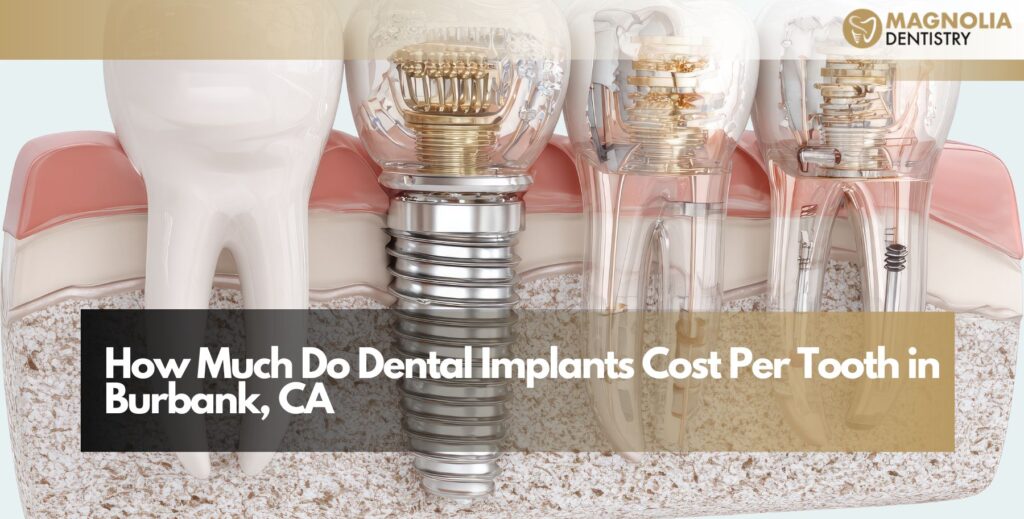
Single tooth implant cost isn’t a single fee but rather a combination of several distinct treatment phases, each contributing to the total investment. The implant post itself—a titanium screw surgically placed into your jawbone—represents just one component. This biocompatible post serves as an artificial tooth root, providing the foundation for the visible restoration.
After the implant integrates with your bone through a process called osseointegration, an abutment connects to the top of the implant. This connector piece bridges the implant and the final crown, ensuring proper positioning and stability. The dental crown that ultimately sits atop the abutment completes the restoration, recreating the visible portion of your tooth with materials chosen for both durability and aesthetics.
Beyond these physical components, your total cost includes professional services such as the initial examination, digital imaging or CT scans for treatment planning, the surgical procedure itself, follow-up appointments to monitor healing, and the final crown fabrication and placement. Some patients require additional procedures like bone grafting or sinus lifts if their jawbone lacks sufficient volume, which adds to the overall investment.
Average Dental Implant Prices: National and Local Perspectives
Nationally, the average cost of dental implants for a single tooth typically ranges from $3,000 to $6,000, with most patients paying around $4,500 for complete treatment from start to finish. However, this figure represents a broad average, and actual costs can fall significantly above or below this range depending on numerous variables.
In California, dental costs generally run higher than the national average due to elevated overhead expenses, higher costs of living, and increased demand for cosmetic and restorative dentistry. The Burbank area, situated in Los Angeles County, reflects these regional pricing trends while offering competitive rates compared to nearby Beverly Hills or West Los Angeles.
When researching Dentist in Burbank, CA, patients typically find single implant costs ranging from $3,500 to $5,500 for straightforward cases. Complex situations requiring bone grafting, multiple implants, or specialized techniques may push costs toward $6,000 to $8,000 per tooth. It’s important to remember that these figures represent complete treatment rather than just the implant post itself.
Factors That Influence Individual Implant Costs
Several variables determine your final implant investment, including material quality, case complexity, provider expertise, and geographic location, all significantly impacting the total treatment expense you’ll incur.
Material Selection and Quality
Not all implant materials are created equal. Premium implant systems from leading manufacturers like Nobel Biocare, Straumann, or Zimmer Biomet command higher prices due to extensive research backing their long-term success rates, superior precision in manufacturing, and comprehensive warranties. These established brands typically cost more than generic alternatives, but they offer proven track records spanning decades.
Crown materials also affect pricing. All-porcelain crowns provide superior aesthetics, particularly for front teeth, but cost more than porcelain-fused-to-metal options. Zirconia crowns offer excellent strength and natural appearance, representing a premium choice that balances durability with cosmetic appeal.
Complexity of Your Case
Straightforward implant placement in healthy bone with adequate volume represents the most cost-effective scenario. However, many patients require additional procedures to ensure implant success. Bone grafting adds $300 to $3,000 depending on the extent of bone loss and the grafting material used.
Sinus lift procedures, necessary when placing implants in the upper back jaw area with insufficient bone height, typically add $1,500 to $3,000 to treatment costs. Patients who’ve worn dentures for years or lost teeth long ago often experience significant bone resorption, necessitating these preparatory procedures before implant placement becomes possible.
Dentist Experience and Expertise
The skill level and specialization of your dental provider significantly impacts pricing. Board-certified oral surgeons or periodontists with advanced training in implant dentistry typically charge more than general dentists performing implant procedures. However, this expertise often translates to higher success rates, fewer complications, and better long-term outcomes.
Experienced implant specialists invest heavily in continuing education, advanced technology like 3D imaging and surgical guides, and specialized instrumentation. While their fees may be higher, the value lies in predictable results and reduced risk of complications requiring costly corrective treatment.
Geographic Location Within Burbank
Even within Burbank, location influences pricing. Practices in prime commercial areas with higher rent and overhead costs typically charge more than those in less expensive locations. Similarly, state-of-the-art facilities offering luxury amenities and the latest technology may price services higher than more modest offices.
Breaking Down Cost Per Treatment Component
Understanding how implant costs divide across consultation, surgical placement, and final restoration helps you appreciate where your investment goes and anticipate potential additional expenses throughout treatment.
Initial Consultation and Diagnostic Imaging
Most practices charge $100 to $300 for comprehensive initial consultations, though some offer complimentary evaluations for prospective implant patients. Diagnostic imaging, including panoramic X-rays or cone beam CT scans essential for treatment planning, typically costs $150 to $500 depending on the technology used.
Implant Surgical Placement
The surgical phase placing the titanium implant into your jawbone—generally accounts for $1,500 to $2,500 of the total cost. This fee covers the implant post, surgical time, anesthesia, and immediate post-operative care. Simple cases may cost less, while complex placements requiring advanced techniques command premium pricing.
Abutment and Crown
After the implant integrates with your bone (typically 3-6 months), the abutment placement and final crown add another $1,500 to $3,000 to your total investment. Custom abutments designed specifically for your case cost more than stock options but provide superior aesthetics and fit. Premium crown materials increase this portion of treatment costs.
Additional Procedures and Associated Costs
Many patients require supplementary treatments like bone grafting, sinus lifts, or tooth extractions before implant placement, each adding specific costs that vary based on complexity and materials.
Bone Grafting
When your jawbone lacks sufficient volume or density to support an implant, bone grafting procedures become necessary. Minor grafting using synthetic materials might add $300 to $800, while more extensive grafting using your own bone or cadaver bone can cost $2,000 to $3,000. The grafting material, extent of bone loss, and complexity of the procedure all influence final costs.
Sinus Lift Surgery
Patients needing upper back tooth replacement sometimes require sinus lift procedures to create adequate bone height. This specialized surgery lifts the sinus membrane and adds bone beneath it, creating space for implant placement. Costs typically range from $1,500 to $3,000 depending on whether it’s a lateral or vertical approach.
Tooth Extraction
If you still have a failing tooth that needs removal before implant placement, extraction adds $150 to $650 to your costs depending on complexity. Simple extractions cost less than surgical extractions for impacted or broken teeth. Some practices include extraction fees in their implant packages, while others charge separately.
Insurance Coverage and Financing Options
While most insurance plans offer limited implant coverage, flexible payment plans, healthcare lending programs, and tax-advantaged accounts can make treatment more financially accessible and manageable for patients.
Understanding Dental Insurance Benefits
Most dental insurance plans classify implants as elective or cosmetic procedures, providing limited or no coverage. However, this landscape is gradually changing as implants become recognized as the standard of care for tooth replacement. Some plans cover portions of implant treatment, particularly the crown restoration, even if they exclude the surgical implant placement.
Review your policy carefully or ask your insurance coordinator to verify coverage details. Even partial coverage for the crown or diagnostic imaging reduces your out-of-pocket expenses. Some plans impose waiting periods for major procedures, so understanding your policy terms helps with treatment timing.
Flexible Payment Plans
Many dental practices offer in-house financing or work with third-party healthcare lenders like CareCredit, Lending Club, or Alphaeon Credit. These options allow you to divide treatment costs into manageable monthly payments, often with promotional interest-free periods ranging from 6 to 24 months for qualified applicants.
Monthly payment plans make affordable dental implants accessible to more patients by eliminating the need to pay the full amount upfront. Calculate total interest costs if you can’t pay off the balance during promotional periods, as deferred interest can significantly increase your final investment.
Health Savings Accounts and Flexible Spending Accounts
If you have an HSA or FSA through your employer, these pre-tax dollars can fund implant treatment. Using these accounts effectively reduces your treatment cost by 20-30% compared to paying with after-tax income, depending on your tax bracket. Plan ahead, as FSA funds typically expire annually while HSA balances roll over.
Comparing Implants to Alternative Tooth Replacement Options
Although implants cost more initially than bridges or dentures, their superior longevity, bone preservation benefits, and elimination of replacement cycles often make them more economical long-term.
Traditional Bridges
Dental bridges represent a less expensive initial investment, typically costing $2,500 to $4,500 for a three-unit bridge replacing one tooth. However, bridges require grinding down healthy adjacent teeth to serve as anchors, potentially compromising these teeth long-term. Bridges also need replacement every 10-15 years, while properly maintained implants can last a lifetime.
Removable Partial Dentures
Partial dentures offer the most economical tooth replacement option, costing $700 to $1,800 depending on materials and complexity. However, they provide inferior chewing function, may feel uncomfortable or unstable, require nightly removal for cleaning, and don’t prevent the bone loss that occurs following tooth loss. Many patients view dentures as a temporary solution while saving for more permanent restoration.
Long-Term Value Considerations
While implants cost more initially, they typically prove more economical over decades. Implant longevity averages 25+ years with proper care, and many last a lifetime. Bridges and dentures require periodic replacement, with cumulative costs eventually exceeding implant investment. Additionally, implants preserve jawbone, preventing the facial collapse and premature aging associated with bone loss after tooth extraction.
Finding Quality Implant Treatment in Burbank
Selecting the right implant provider involves evaluating credentials, experience, technology, patient reviews, and warranty policies rather than choosing solely based on advertised prices or promotional offers.
Researching Qualified Providers
When evaluating implant providers, look beyond advertised prices to consider qualifications, experience, and patient reviews. Board certification in oral surgery or periodontics indicates advanced training. Ask about implant success rates, complication management, and warranty policies covering implant failure or restoration issues.
Schedule consultations with multiple providers to compare treatment approaches, technology utilized, and overall comfort level with each practice. The lowest price doesn’t always represent the best value, particularly for complex procedures requiring precision and expertise.
Questions to Ask During Consultations
Inquire about the specific implant system used and why your dentist prefers it. Ask how many implants the provider places annually and their experience with cases similar to yours. Request a detailed cost breakdown showing each treatment component separately, and clarify what’s included versus potential additional charges.
Understand the practice’s policies regarding complications or implant failure. Reputable providers stand behind their work, often offering warranties or reduced fees if problems arise during the healing period. Clear communication about costs, expectations, and potential complications indicates a patient-centered practice focused on long-term success.
Making Informed Investment Decisions
Understanding how much dental implants cost empowers you to budget appropriately and evaluate whether this permanent tooth replacement option aligns with your financial situation and oral health goals. While the investment is substantial, implants offer unmatched benefits in terms of function, aesthetics, comfort, and long-term value.
Don’t let cost deter you from exploring implant options. Many patients find creative solutions through insurance benefits, financing plans, or phased treatment approaches that spread costs over time. The confidence and improved quality of life that come with a complete, functional smile often prove invaluable, making dental implants one of the most worthwhile investments in your overall health and wellbeing.
Frequently Asked Questions
How much does a single tooth implant cost?
A single dental implant typically costs between $3,000 and $6,000 for complete treatment including the implant post, abutment, and crown. Prices vary based on location, provider expertise, materials used, and whether additional procedures like bone grafting are necessary. This represents the total investment from initial consultation through final restoration placement.
Does dental insurance cover implants?
Most traditional dental insurance provides limited coverage for implants, though this is changing as implants become standard care. Some plans cover portions of treatment, particularly the crown restoration or diagnostic imaging, even if excluding surgical placement costs. Always verify your specific policy benefits and any waiting periods before starting treatment.
Are payment plans available for dental implants?
Yes, most dental practices offer financing options through third-party healthcare lenders or in-house payment plans. These arrangements allow you to divide treatment costs into monthly payments, often with promotional interest-free periods of 6-24 months for qualified applicants. This makes implant treatment more accessible without requiring full upfront payment.
How long do dental implants last?
With proper care and maintenance, dental implants can last 25+ years and often a lifetime. The implant post fuses permanently with your jawbone, while the crown restoration may need replacement after 15-20 years due to normal wear. This longevity makes implants more cost-effective long-term compared to bridges or dentures requiring periodic replacement.
What is the cheapest way to get dental implants?
The most affordable approach involves dental school clinics where supervised students perform procedures at reduced rates, though treatment takes longer. Some practices offer discounted implant packages for multiple teeth or seasonal promotions. Dental tourism to countries with lower costs is another option, though this carries risks regarding follow-up care and quality standards.
Can I get dental implants if I have bone loss?
Yes, patients with bone loss can receive implants after undergoing bone grafting procedures to rebuild jawbone volume and density. The grafting adds time and cost to treatment but creates the foundation necessary for successful implant placement. Your dentist evaluates bone quality through CT scans and determines whether grafting is necessary.
How much do All-on-4 dental implants cost?
All-on-4 implants replacing an entire arch of teeth typically cost $20,000 to $30,000 per arch, making them more economical than individual implants for multiple missing teeth. This technique uses four strategically placed implants to support a full arch prosthesis, reducing costs compared to 8-10 individual implants while providing excellent stability and function.
Is there a difference between cheap and expensive implants?
Yes, significant differences exist in implant quality, materials, manufacturing precision, and clinical research backing. Premium systems from established manufacturers offer proven long-term success rates, better warranties, and worldwide compatibility for future service. Extremely low-priced implants may use inferior materials or lack research supporting their reliability, potentially leading to complications or early failure.
What affects the final cost of dental implants?
Multiple factors influence final costs including the implant system brand, crown materials selected, need for bone grafting or other preparatory procedures, provider expertise and specialization, geographic location, facility overhead costs, and case complexity. Straightforward single-tooth replacements in healthy bone cost less than complex cases requiring extensive bone reconstruction.