Experiencing tooth sensitivity after a restorative procedure is very common, and many patients feel unsure whether the discomfort is normal or when it will go away. Restorative treatments such as fillings, crowns, bonding, extractions, and deep cleanings are designed to protect and rebuild your teeth but the healing process can leave your teeth a little sensitive for days or even weeks. Understanding why this sensitivity happens and how to manage it helps you stay comfortable and confident as your mouth heals.
This detailed guide explains why sensitivity occurs after restorative treatments, how to manage discomfort at home, when to call your dentist, and how to prevent future irritation. Whether you recently had a filling, crown, extraction, or another restorative service, this article provides everything you need to support a smooth and comfortable recovery.
Table of Contents
Why Sensitivity Happens After Restorative Dental Procedures
Tooth sensitivity occurs when nerves inside the tooth react to temperature, pressure, or irritation caused during the procedure. Restorative work stimulates the inner layers of the tooth, which can cause temporary discomfort until the tooth adjusts and heals.
How Dental Treatment Affects Tooth Nerves
Restorative procedures require removing decay, reshaping enamel, or adjusting tooth structure, which naturally stimulates the pulp inside the tooth. This stimulation causes temporary inflammation, leading to sensitivity when eating or drinking something hot, cold, or sweet.
Why Some Patients Experience More Sensitivity Than Others
Factors like enamel thickness, gum recession, pre-existing sensitivity, or deeper cavities can increase discomfort after treatment. Every tooth heals differently, so some patients feel mild irritation while others experience short, sharp sensitivity.
How Long Sensitivity Typically Lasts
Most sensitivity fades within a few days to two weeks. However, deeper restorative treatments like crowns or large fillings may require more healing time as the tooth adjusts. Monitoring these sensations helps determine whether sensitivity is normal or requires attention.
Understanding the Types of Sensitivity You May Experience
Not all sensitivity feels the same. Identifying the type helps you understand what is normal and what may require follow-up care.
Temperature Sensitivity
Cold, hot, or sweet triggers are the most common sensitivity reactions. These brief zaps of discomfort often occur because the tooth’s nerve is adjusting after treatment. This type of sensitivity typically improves with time and good oral care.
Pressure Sensitivity
Some patients feel discomfort when biting down. This can occur when a tooth is healing from a filling or crown. Minor adjustments to your bite may be needed if the sensitivity continues.
Lingering or Throbbing Sensitivity
If sensitivity lasts longer than a few seconds or worsens over time, it could indicate deeper inflammation. While this may still be normal, lingering discomfort should be monitored and discussed with your dentist.
Sensitivity After Common Restorative Procedures
Different procedures involve different types of healing. Here’s what to expect depending on the treatment you received.
Sensitivity After Dental Fillings
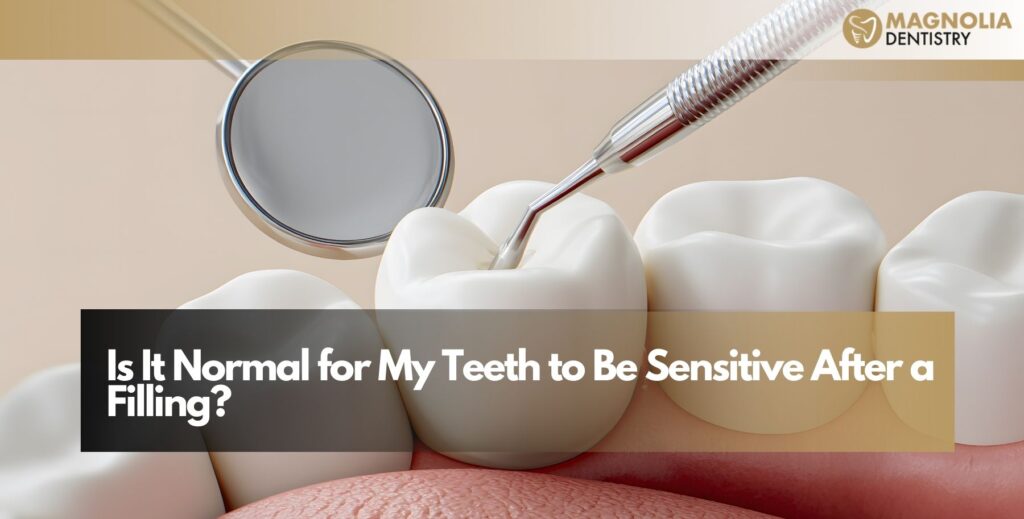
It is very common to experience Sensitive Teeth After a Filling because the tooth has undergone the removal of decay and exposure to restorative materials. This temporary reaction usually settles as the tooth’s nerve recovers.
Sensitivity After Dental Crowns
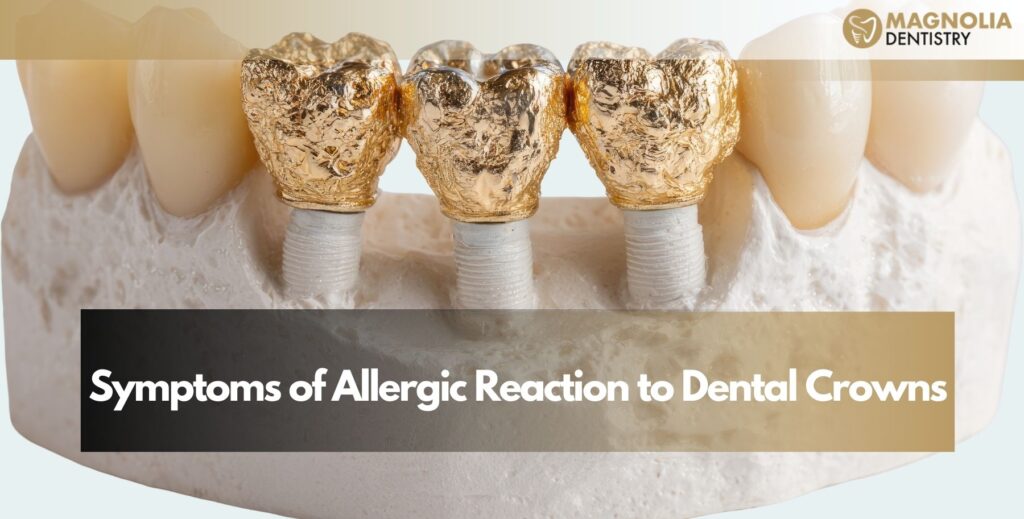
Crowns require reshaping the tooth, which can irritate nerve tissues. Sensitivity around the gumline or to biting pressure is normal and usually improves as the crown settles into place.
Sensitivity After Bonding or Veneers
Cosmetic restorations sometimes involve slight enamel removal. This can temporarily expose underlying dentin, making teeth more sensitive to cold foods and drinks until the tooth adjusts.
Sensitivity After Extractions
Tooth removal affects surrounding tissues, and discomfort radiating to nearby teeth is common. Proper Tooth Extraction Aftercare helps prevent complications and reduces sensitivity during the healing period.
How to Reduce Sensitivity at Home After a Restorative Procedure
Fortunately, several at-home strategies help reduce discomfort quickly and safely as the tooth heals.
Use a Desensitizing Toothpaste
Products containing potassium nitrate help block nerve signals to reduce sensitivity. Using this toothpaste twice daily can significantly improve comfort over several days.
Switch to a Soft-Bristle Toothbrush
A gentle brush protects healing gums and enamel. Hard bristles can worsen sensitivity by irritating tender areas along the gumline.
Avoid Extreme Temperatures Temporarily
Hot and cold foods may trigger nerve irritation after a procedure. Choosing room-temperature items allows the tooth to rest and reduces discomfort.
Be Mindful of Pressure When Chewing
If biting down causes sharp sensitivity, avoid chewing on that side for a few days. Giving the tooth time to settle reduces inflammation and discomfort.
How Your Dentist Can Help Reduce Post-Treatment Sensitivity
Professional support is available when at-home care is not enough. Dentists use different treatments based on the cause of the sensitivity.
Bite Adjustments After Fillings or Crowns
If biting causes sharp pain, your restoration may be slightly high. A quick bite adjustment can completely eliminate discomfort.
Fluoride Treatments to Strengthen Enamel
Fluoride varnishes help rebuild weakened enamel and reduce nerve exposure, providing immediate and long-lasting relief.
Dental Sealants or Bonding for Exposed Roots
Gum recession exposes root surfaces, which are highly sensitive. Sealants or bonding protect exposed areas and reduce irritation.
When Sensitivity Indicates a Deeper Problem
If sensitivity worsens, spreads, or becomes persistent, your tooth may require further evaluation. Deep decay or nerve irritation may need treatment before symptoms improve.
Managing Pain After More Invasive Restorative Procedures
Some procedures naturally require more healing time, especially when the tooth’s nerve has been irritated. Understanding expected discomfort including temporary sensations similar to Pain After a Dental Filling helps you manage the process with confidence.
Pain After Large Fillings or Crown Work
Deeper restorations sometimes cause lingering inflammation. Over-the-counter medications and desensitizing toothpaste ease discomfort until the tooth fully settles.
Pain After Root Canal Therapy
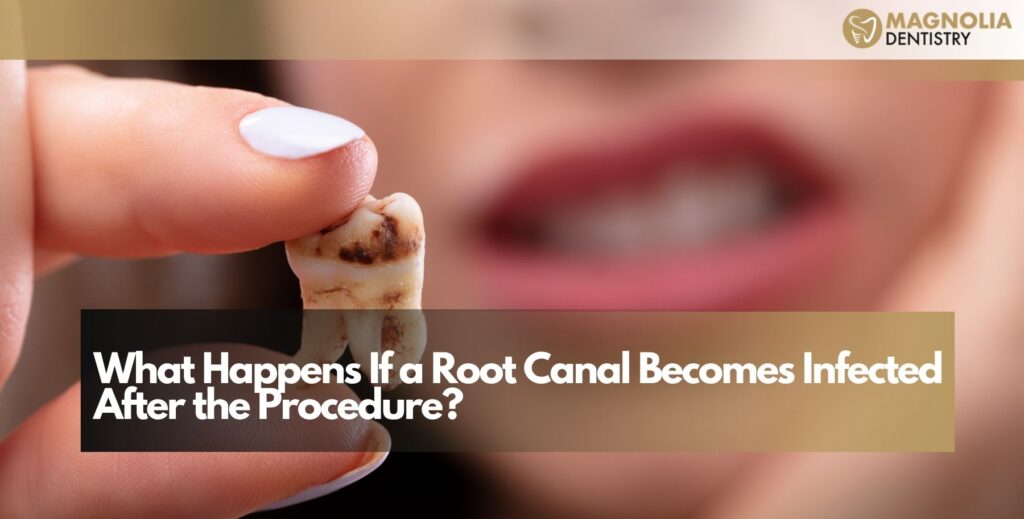
Root canal-treated teeth may take a week or two to calm down as surrounding tissues heal. Sensitivity is normal and often mild.
Pain After Periodontal Treatment
Deep cleanings remove bacteria from beneath the gums. This process may leave gums slightly tender as inflammation subsides, but sensitivity improves quickly with proper hygiene.
When Pain Suggests a Complication
Sharp, sudden, or increasing pain is not typical. Persistent symptoms may indicate infection, an ill-fitting restoration, or nerve distress. Prompt evaluation protects your long-term oral health.
Foods and Habits That Reduce Sensitivity While Healing
Your diet and habits play a major role in how quickly your tooth recovers after a restorative procedure.
Foods That Soothe Rather Than Trigger Sensitivity
Soft, room-temperature foods like yogurt, soups, oats, and smoothies are gentle on healing teeth. Avoid extreme temperatures or acidic foods until sensitivity improves.
Protecting Your Teeth From Grinding or Clenching
Nighttime grinding can worsen post-procedure discomfort. A nightguard prevents unnecessary pressure and protects your restorations.
Avoiding Sugary or Sticky Foods Temporarily
Sweets and sticky foods increase sensitivity by feeding bacteria and irritating healing enamel. Limit them during your recovery period.
Preventing Sensitivity Before It Starts
A preventive approach prepares your teeth for restorative procedures and reduces the chances of discomfort afterward.
Strengthening Enamel With Fluoride and Good Hygiene
Brushing with fluoride toothpaste and flossing daily help protect enamel and reduce inflammation, making teeth more resilient to post-treatment sensitivity.
Addressing Existing Sensitivity Before Treatment
If you already have sensitive teeth, let your dentist know. Pre-treatment fluoride or desensitizing agents make restorative work more comfortable.
Scheduling Regular Checkups to Avoid Large Restorations
Early detection prevents decay from spreading. Small fillings cause less irritation than extensive procedures.
When Sensitivity After Treatment Is Not Normal
Most sensitivity improves in time, but certain symptoms signal the need for follow-up care. If discomfort persists, your dentist may need to adjust your restoration or examine the tooth for deeper issues. These symptoms may indicate infection or severe inflammation. Prompt treatment prevents complications, especially when guided by experts in Restorative Dentistry in Burbank, CA. This may indicate a bite imbalance or a crack in the restoration. Dental evaluation resolves the issue quickly.
Conclusion
Managing sensitivity after a restorative procedure is easier when you understand what causes it, how long it may last, and what steps support a smooth recovery. Most post-treatment discomfort is temporary, but proper care, healthy habits, and professional guidance help your smile heal comfortably and predictably. For personalized care, accurate diagnosis, and expert restorative treatment, visit a trusted Dentist in Burbank, CA who can ensure your teeth remain strong, healthy, and pain-free.