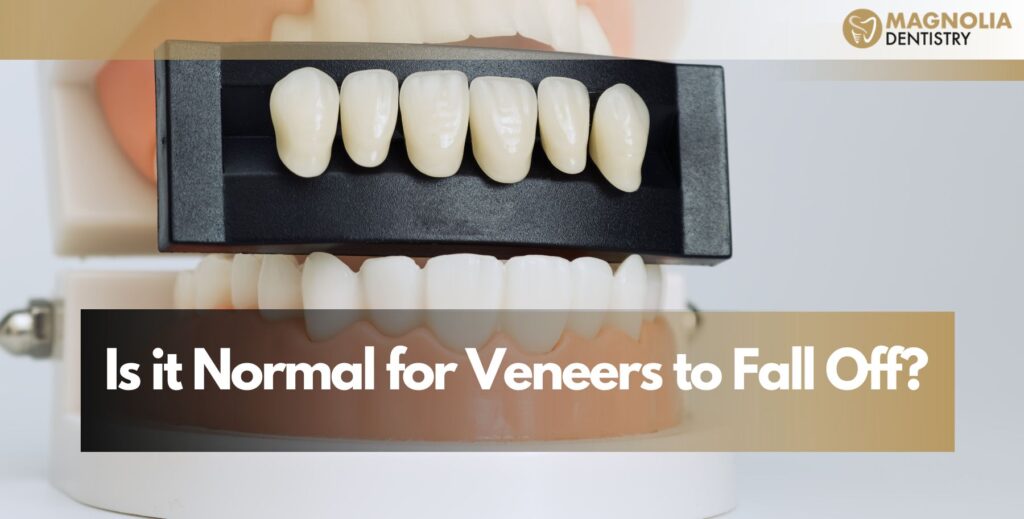
Dental veneers are designed to be a long-lasting cosmetic solution for achieving a beautiful smile, but the thought of them falling off can be concerning for anyone who has invested in this popular treatment. While veneers falling off isn’t considered “normal” in the sense that it should happen regularly, it’s also not entirely uncommon, and there are specific reasons why this occurs.
Understanding what causes veneers to detach, how to prevent it, and what to do if it happens can help you protect your investment and maintain your smile for years to come. Whether you’re considering veneers or already have them, knowing the facts about veneer longevity and stability will give you peace of mind and help you make informed decisions about your dental care.
Table of Contents
Understanding Dental Veneers and Their Attachment
Dental veneers are thin shells of porcelain or composite resin that are custom-made to fit over the front surface of your teeth. They’re designed to improve the appearance of discolored, chipped, misaligned, or gapped teeth, creating a naturally beautiful and uniform smile. The success of veneers depends heavily on how well they bond to your natural tooth structure.
The bonding process involves preparing your tooth by removing a small amount of enamel, which creates a rough surface that helps the veneer adhere properly. Your dentist then uses a special dental cement and curing light to permanently attach the veneer to your tooth. When done correctly by an experienced professional, this bond should be incredibly strong and durable.
The Science Behind Veneer Bonding
The attachment of veneers relies on micromechanical retention and chemical bonding between the veneer material, the bonding agent, and your tooth enamel. Porcelain veneers are etched with a special acid that creates microscopic pores in the surface, allowing the bonding cement to grip tightly. Your tooth enamel is also treated to enhance adhesion.
This multi-step bonding process creates a connection that can withstand the normal forces of biting and chewing for many years. However, like any dental restoration, veneers aren’t indestructible, and certain factors can compromise this bond over time.
Common Causes of Veneers Falling Off
Several factors can contribute to veneer detachment, ranging from issues during the initial placement to habits and conditions that develop over time. Understanding these causes can help you take preventive measures to protect your veneers.
Insufficient Tooth Preparation
One of the most common reasons for veneers coming loose is inadequate tooth preparation during the initial placement. If too little enamel is removed, the veneer may not have enough surface area to bond properly. Conversely, removing too much enamel can weaken the tooth structure and compromise the bond.
The skill and experience of your dentist play a crucial role in this process. A qualified cosmetic dentist understands the precise amount of tooth preparation needed to ensure optimal bonding while preserving as much natural tooth structure as possible.
Poor Bonding Technique
Even with proper tooth preparation, issues with the bonding technique itself can lead to loose veneers. If the tooth surface isn’t completely clean and dry during bonding, moisture can interfere with adhesion. Similarly, using expired bonding materials or not following the manufacturer’s instructions precisely can result in a weak bond.
The curing process, which uses a special light to harden the bonding cement, must also be performed correctly. Insufficient curing time or improper light positioning can leave the cement partially unhardened, creating weak spots that eventually cause the veneer to detach.
Teeth Grinding and Clenching
Bruxism, or the habit of grinding and clenching your teeth, puts enormous pressure on veneers and can cause them to crack or come loose over time. This condition often occurs during sleep, so many people are unaware they’re doing it until they experience dental problems.
The repetitive force from grinding can gradually weaken the bond between the veneer and your tooth, or it can damage the veneer itself. If you have veneers and grind your teeth, wearing a custom nightguard is essential for protecting your investment.
Biting Into Hard Foods or Objects
Using your teeth as tools or biting into extremely hard foods can put excessive force on veneers, potentially causing them to debond from teeth. Activities like opening packages with your teeth, biting your nails, chewing on ice, or eating hard candies create stress that veneers aren’t designed to handle.
While veneers are strong, they’re meant to withstand normal chewing forces, not the extreme pressure that comes from these habits. Being mindful of what you put in your mouth and how you use your teeth can significantly extend the life of your veneers.
Natural Wear and Aging
Over time, the bonding cement that holds veneers in place can naturally degrade due to constant exposure to saliva, bacteria, temperature changes, and the acidic environment in your mouth. This is why veneer lifespan is typically 10-15 years for porcelain veneers and 5-7 years for composite veneers, after which they may need replacement.
As veneers age, they may become more susceptible to coming loose, especially if they’re not maintained properly with regular dental checkups and good oral hygiene practices.
Underlying Tooth Decay
If decay develops on the natural tooth underneath a veneer, it can compromise the structure that the veneer is bonded to, causing the veneer to feel loose or eventually fall off. This typically happens when proper oral hygiene isn’t maintained or when there are gaps between the veneer and the tooth that allow bacteria to accumulate.
Regular dental checkups are crucial for detecting early signs of decay before it becomes severe enough to affect your veneers. Your dentist can identify problem areas and address them before they lead to veneer failure.
Signs Your Veneer Might Be Coming Loose
Recognizing the early warning signs of a loose veneer can help you seek treatment before it falls off completely, potentially saving the veneer and avoiding an emergency situation.
Sensitivity and Discomfort
One of the first signs that a veneer is becoming detached is increased sensitivity in the affected tooth. You might notice discomfort when consuming hot or cold foods and beverages, or when biting down on certain foods. This sensitivity occurs because the bond is weakening, allowing stimuli to reach the underlying tooth structure more easily.
If you experience sudden or increasing sensitivity in a tooth with a veneer, schedule an appointment with your dentist promptly. Early intervention can often re-cement a partially loose veneer before it falls off completely.
Movement or Clicking Sounds
If you can feel your veneer move slightly when you touch it with your tongue or finger, or if you hear a clicking sound when biting down, these are clear indicators that the bond has weakened significantly. The veneer may still be partially attached, but it’s at high risk of falling off completely.
Don’t wait if you notice these symptoms contact your dentist immediately. A veneer that’s partially detached can still potentially be re-bonded if addressed quickly, whereas one that falls off may need to be replaced entirely.
Changes in Appearance
Visual changes such as discoloration at the edge of the veneer where it meets your natural tooth, or visible gaps developing between the veneer and your gum line, can indicate that the veneer is lifting away from the tooth surface. These changes suggest that the bonding is compromised.
Regular examination of your veneers in the mirror can help you catch these early warning signs. If you notice any changes in how your veneers look, especially compared to when they were first placed, consult your dentist.
Preventing Veneers From Falling Off
While you can’t completely eliminate the risk of veneers detaching, there are several proactive steps you can take to minimize the likelihood and maximize the longevity of your veneers.
Choose an Experienced Cosmetic Dentist
The most important decision you’ll make regarding veneers is selecting a skilled and experienced dentist to place them. A qualified Dentist in Burbank, CA or in your area who specializes in cosmetic dentistry will have the expertise to properly prepare your teeth, select appropriate materials, and execute the bonding process with precision.
Don’t hesitate to ask potential dentists about their experience with veneers, request to see before-and-after photos of previous patients, and read reviews from other patients who have received veneers from that practice.
Maintain Excellent Oral Hygiene
Proper oral hygiene is crucial for preventing decay and gum disease that could compromise the foundation that supports your veneers. Brush twice daily with a non-abrasive toothpaste and a soft-bristled toothbrush, floss daily, and use an antimicrobial mouthwash to reduce bacteria.
Pay special attention to the area where your veneer meets your natural tooth and gum line, as these are vulnerable spots where plaque and bacteria can accumulate. Regular professional cleanings every six months help remove buildup that home care might miss.
Protect Your Veneers From Trauma
Avoid habits and activities that put unnecessary stress on your veneers. Don’t use your teeth to open packages, bite your nails, or chew on hard objects like pens or ice. Be cautious when eating hard foods like nuts, hard candies, or crusty bread.
If you play contact sports, wear a properly fitted mouthguard to protect your veneers from impact. The small investment in protective equipment can save you from costly veneer repairs or replacements.
Address Bruxism Promptly
If you grind or clench your teeth, talk to your dentist about getting a custom nightguard. This removable appliance worn during sleep absorbs the forces of grinding and protects both your veneers and your natural teeth from damage.
Over-the-counter nightguards are available, but a custom-fitted guard from your dentist provides superior protection and comfort, making you more likely to wear it consistently.
Attend Regular Dental Checkups
Routine dental examinations allow your dentist to monitor the condition of your veneers and identify potential problems before they become serious. During these visits, your dentist will check the integrity of the bond, look for signs of decay or damage, and address any issues promptly.
These preventive appointments are essential for maintaining your Dental Veneers in Burbank or wherever you receive your dental care, and they’re an investment in the longevity of your smile.
What to Do If Your Veneer Falls Off
If a veneer falls off, it’s important to act quickly and appropriately to protect both the veneer and your underlying tooth. While it’s not always a dental emergency, prompt attention can make the difference between re-bonding your existing veneer and needing a costly replacement.
Immediate Steps to Take
First, carefully retrieve the veneer if it has completely fallen off. Rinse it gently with water to remove any debris, but don’t scrub it or use any cleaning products. Place it in a clean container with a small amount of water or saline solution to keep it moist until you can see your dentist.
Examine your natural tooth in the mirror. It may look smaller and differently colored than before, and it might feel sensitive. This is because the enamel layer was removed when the veneer was originally placed, leaving the underlying tooth structure exposed.
Protecting the Exposed Tooth
Your exposed tooth will likely be sensitive to temperature changes, air, and touch. Over-the-counter dental cement, available at most pharmacies, can be used as a temporary measure to cover the tooth and reduce sensitivity until you can see your dentist. However, don’t attempt to re-bond the veneer yourself with this cement.
Avoid chewing on the side of your mouth where the veneer came off, and stick to soft, room-temperature foods to minimize discomfort. Also avoid extremely hot or cold beverages that could cause sensitivity.
Contacting Your Dentist
Call your dentist as soon as possible to schedule an emergency appointment. Most dental practices will prioritize patients with lost veneers because of the sensitivity of the exposed tooth and the time-sensitive nature of potential re-bonding.
If your veneer fell off on a weekend or holiday, contact your dentist’s emergency line. Many practices have after-hours services or can recommend an emergency dental clinic if immediate attention is needed.
Re-bonding vs. Replacement
In some cases, your dentist may be able to clean and re-bond your original veneer if it’s undamaged and came off cleanly. This is the best-case scenario, as it’s faster and less expensive than creating a new veneer.
However, if the veneer is cracked, chipped, or if the underlying tooth has decay or damage, you’ll likely need a new veneer. Your dentist will assess the situation and discuss your options, including whether other veneers might need attention if one has failed.
Understanding Veneer Durability and Longevity
The question “how long do veneers last” depends on several factors, including the type of veneer material, the skill of the dentist who placed them, and how well you care for them. Having realistic expectations about veneer durability helps you make informed decisions about this cosmetic investment.
Porcelain vs. Composite Veneers
Porcelain veneers typically last 10-15 years or even longer with proper care. They’re more stain-resistant and durable than composite veneers, making them a popular choice for patients seeking long-term results. The material is strong and closely mimics the appearance of natural tooth enamel.
Composite veneers, made from tooth-colored resin material, generally last 5-7 years. They’re less expensive than porcelain and can be placed in a single visit, but they’re more prone to staining and may chip more easily. However, they’re also easier to repair if damage occurs.
Factors Affecting Veneer Longevity
Your oral hygiene habits, dietary choices, and whether you have habits like teeth grinding all significantly impact how long your veneers will last. Patients who maintain excellent oral care, avoid risky behaviors, and attend regular dental checkups often exceed the average lifespan of their veneers.
The quality of the initial placement also plays a major role. Veneers placed by an experienced cosmetic dentist using high-quality materials and precise techniques are more likely to stay in place and remain in good condition for the full expected lifespan or beyond.
The Role of Professional Placement in Veneer Success
The expertise of your dental provider cannot be overstated when it comes to veneer success. From the initial consultation through the final placement, every step requires skill, precision, and attention to detail.
Comprehensive Treatment Planning
A qualified cosmetic dentist will conduct a thorough examination of your teeth, gums, and bite before recommending veneers. This assessment identifies any underlying issues that need to be addressed first, such as cavities, gum disease, or bite problems that could compromise veneer stability.
Digital imaging and mock-ups help you visualize the expected results and allow the dentist to plan the exact shape, size, and shade of your veneers for optimal aesthetics and function.
Precision Preparation and Placement
The preparation process requires removing just the right amount of enamel—enough to create a good bonding surface and allow the veneer to fit naturally without looking bulky, but not so much that it weakens the tooth structure. This precision comes from training, experience, and artistic skill.
During placement, the dentist must ensure perfect isolation from moisture, apply the bonding agent correctly, position the veneer precisely, and cure the cement thoroughly. Each of these steps directly impacts how well your veneer bonds and how long it will last.
Can Veneers Be Prevented From Falling Off With Proper Care?
While no dental restoration is permanent, proper care can dramatically reduce the likelihood of veneers popping off prematurely and help you enjoy your beautiful smile for many years.
Long-term Maintenance Strategies
Treating your veneers like natural teeth in terms of daily care, while avoiding the specific behaviors that can damage them, creates the best environment for longevity. This balanced approach means maintaining good hygiene without using abrasive products that could scratch the veneer surface.
Regular professional maintenance, including cleanings and examinations, allows your dentist to polish your veneers, check for signs of wear or loosening, and address small issues before they become major problems.
When to Consider Veneer Replacement
Even with excellent care, veneers eventually need replacement due to normal wear and aging. Signs that it’s time for new veneers include discoloration that can’t be removed with cleaning, chips or cracks in the veneer surface, receding gums that expose the edge of the veneer, or persistent problems with veneers becoming loose.
Discussing these changes with your dentist helps you plan for veneer replacement proactively rather than dealing with emergency situations when veneers fail unexpectedly.
Conclusion
While it’s not “normal” for veneers to fall off regularly, it does happen occasionally due to various factors ranging from placement technique to patient habits and natural aging. Understanding the causes of veneer detachment and taking proactive steps to prevent it can help you protect your investment and enjoy your beautiful smile for many years.
Choosing an experienced cosmetic dentist, maintaining excellent oral hygiene, protecting your veneers from trauma, and attending regular checkups are the keys to veneer longevity. If a veneer does become loose or falls off, prompt professional attention gives you the best chance of salvaging it and preventing complications.
Remember that veneers are a significant investment in your smile and confidence, and they deserve the care and attention necessary to keep them looking beautiful and functioning properly throughout their expected lifespan.
FAQs
How likely are veneers to fall off?
When placed correctly by an experienced dentist and properly cared for, veneers falling off is relatively uncommon. Statistics show that properly bonded veneers have a success rate of over 95% at 5 years and around 90% at 10 years. The likelihood increases if you have risk factors like teeth grinding, poor oral hygiene, or habits like nail-biting. Most veneers that fail do so due to preventable causes rather than inherent problems with the veneers themselves. With proper placement and care, most patients never experience a veneer falling off during the restoration’s expected lifespan.
Is a loose veneer an emergency?
A loose veneer is not typically a life-threatening emergency, but it does require prompt dental attention within 24-48 hours. The exposed tooth underneath is vulnerable to sensitivity, bacteria, and potential damage, so you shouldn’t wait long to see your dentist. If the veneer is still partially attached, you have a better chance of having it re-bonded successfully if you seek care quickly. Contact your dentist the same day you notice the veneer is loose, and they’ll likely prioritize your appointment. If the tooth becomes extremely painful, you develop swelling, or the veneer falls off completely, seek care as soon as possible, even if it means using an emergency dental service.
Will teeth rot under veneers?
Teeth can develop decay under veneers, but this isn’t inevitable and is entirely preventable with proper oral hygiene. Decay typically occurs at the edges where the veneer meets your natural tooth if plaque and bacteria accumulate there. This is why maintaining excellent brushing and flossing habits is crucial for veneer longevity. The tooth preparation process does remove enamel, which makes the underlying tooth slightly more vulnerable, but it doesn’t cause decay on its own. Regular dental checkups allow your dentist to monitor the areas around your veneers and catch any early signs of decay before it progresses. With proper care, the teeth under veneers should remain healthy throughout the veneer’s lifespan.
How to stop veneers from falling out?
Preventing veneers from falling out involves several key strategies: First, choose an experienced cosmetic dentist for proper placement, as technique is crucial for long-term success. Second, maintain excellent oral hygiene with twice-daily brushing, daily flossing, and regular professional cleanings. Third, protect your veneers by avoiding hard foods, not using your teeth as tools, and wearing a nightguard if you grind your teeth. Fourth, attend regular dental checkups so your dentist can monitor your veneers and address small problems before they become serious. Finally, avoid staining substances like tobacco and limit consumption of highly acidic foods and drinks that can weaken the bonding cement over time. These preventive measures significantly reduce the risk of veneer failure.
What should I do if my veneer falls off?
If your veneer falls off, carefully retrieve it and rinse it gently with water without scrubbing. Store it in a clean container with water or saline solution to keep it moist. Do not attempt to re-bond it yourself with household glue, as this can damage both the veneer and your tooth. Contact your dentist immediately to schedule an emergency appointment—most practices will see you quickly for this issue. In the meantime, protect the exposed tooth by avoiding that side when chewing and using over-the-counter dental cement as a temporary covering if sensitivity is severe. Avoid extremely hot or cold foods and beverages. Your dentist will assess whether the veneer can be cleaned and re-bonded or if you need a replacement, and will provide appropriate treatment to protect your underlying tooth.
What is the average lifespan of a veneer?
The average lifespan of veneers depends primarily on the material used. Porcelain veneers typically last 10-15 years, with many lasting 20 years or more with excellent care. Composite resin veneers have a shorter lifespan of approximately 5-7 years, though some may last longer. Factors that influence longevity include the quality of the initial placement, your oral hygiene habits, whether you grind your teeth, your diet, and whether you attend regular dental checkups. Patients who maintain exceptional oral care and avoid habits that stress veneers often exceed these average lifespans. When veneers do eventually need replacement, it’s typically due to normal wear, discoloration, or changes in gum position rather than sudden failure. Planning for eventual replacement as part of your long-term dental care helps you budget appropriately and maintain your beautiful smile.