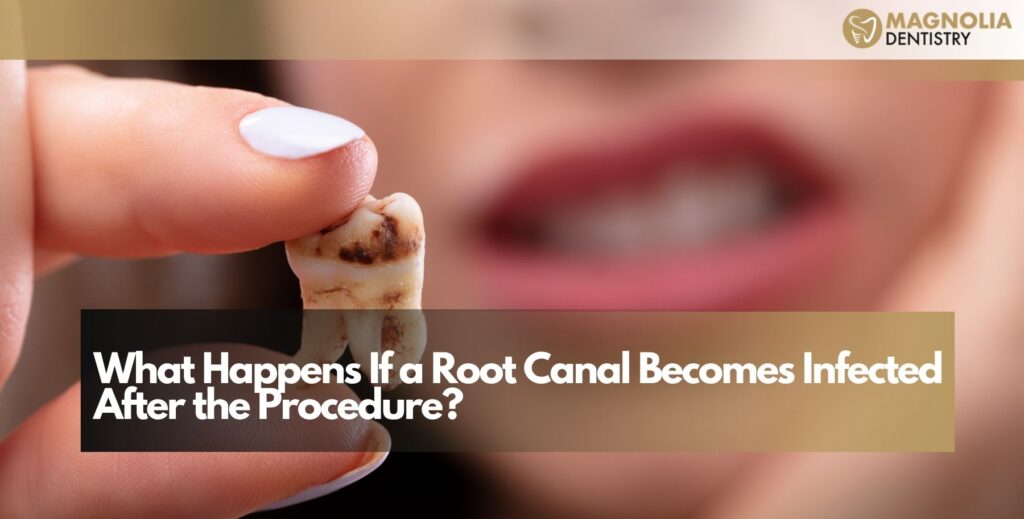
Root canal treatment is one of the most reliable procedures in modern dentistry, saving millions of teeth from extraction every year. However, like any medical intervention, complications can occasionally arise. When a root canal infection after treatment develops, it can feel particularly frustrating. You’ve already endured the procedure and expected your tooth troubles to be resolved. Understanding what happens when infection occurs, why it develops, and how it’s managed can help you navigate this challenge with confidence and make informed decisions about your dental care.
The good news is that post-procedure infections, while concerning, are manageable complications that dental professionals encounter regularly and know how to treat effectively. Most infected root canals can be successfully retreated, and even in more complex cases, several treatment options exist to preserve your tooth and restore your oral health. This comprehensive guide explores the consequences of infected root canal symptoms, the biological processes involved, treatment approaches, and steps you can take to minimize complications.
Whether you’re currently experiencing symptoms or simply want to understand potential risks, this article provides the detailed information you need. We’ll examine what happens inside your tooth when infection develops, how your body responds, the potential complications if left untreated, and the modern solutions available to resolve the problem and protect your overall health.
Table of Contents
Understanding Post-Root Canal Infections
When a root canal becomes infected after the procedure, it means bacteria have either survived the initial treatment or found a way to re-enter the tooth structure. This bacterial infection after endodontic treatment triggers an inflammatory response in the tissues surrounding the tooth root, potentially compromising the healing process and threatening the long-term success of your treatment. Understanding the mechanisms behind these infections helps explain why they occur and what makes prompt treatment so important.
The root canal procedure is designed to remove all infected pulp tissue, thoroughly clean and disinfect the internal canals, and seal them against future bacterial invasion. However, teeth have complex internal anatomy with microscopic tubules, accessory canals, and sometimes unpredictable variations that can harbor bacteria despite thorough cleaning. Additionally, factors after the initial procedure such as a compromised seal or delayed crown placement can create vulnerabilities.
How Bacteria Establish Infection
Bacteria can persist or re-enter your treated tooth through several pathways. During the initial procedure, some bacteria may survive in hard-to-reach areas of complex root canal anatomy. Alternatively, if the temporary filling becomes loose or falls out before your permanent crown is placed, bacteria from your mouth can migrate down into the previously cleaned canals. Post-procedure dental infection can also develop if the tooth develops a crack or fracture that creates a pathway for bacterial invasion.
The most common bacteria involved in failed root canal infection include Enterococcus faecalis, which is particularly resistant to the disinfecting agents used during treatment, as well as anaerobic bacteria that thrive in low-oxygen environments like sealed root canals. These microorganisms produce toxins and enzymes that damage surrounding tissues and bone.
The Body’s Immune Response
When bacteria establish themselves in or around your treated tooth, your immune system immediately responds to fight the invasion. White blood cells rush to the area, triggering inflammation in the periodontal ligament (the tissue connecting your tooth to the bone) and potentially in the surrounding bone itself. This immune response causes the root canal pain after infection that many patients experience.
As the battle between bacteria and immune cells continues, pus may accumulate a collection of dead white blood cells, bacteria, and tissue debris. This can form an abscess, which is a pocket of infection that may develop at the root tip or in the surrounding gum tissue. The pressure from this accumulation contributes to the throbbing pain characteristic of dental infections.
Changes in Tooth and Surrounding Structures
The presence of bacteria and the inflammatory response can cause measurable changes in your tooth and the supporting structures. The periodontal ligament may become inflamed and thickened, creating sensitivity when you bite down. The bone around the root tip can begin to deteriorate as the infection persists, creating a dark area visible on dental X-rays called a periapical radiolucency.
In some cases, the infection creates a drainage pathway through the bone and gum tissue, resulting in a fistula or “gum boil” , a pimple-like bump on your gum that may intermittently drain pus. While this drainage can temporarily relieve pressure and pain, it indicates an active infection that requires professional treatment.
Timeline of Infection Development
Root canal infection timeline varies significantly depending on the cause and your individual immune response. Some infections become apparent within days or weeks after the procedure, while others may not manifest symptoms for months or even years. Acute infections develop rapidly with severe symptoms, while chronic infections may progress slowly with mild, intermittent discomfort that’s easy to dismiss.
Early-stage infections might present as increased sensitivity or mild discomfort when biting. As the infection progresses, symptoms typically intensify, potentially leading to visible swelling, fever, and significant pain. Understanding this progression emphasizes the importance of addressing symptoms early rather than waiting to see if they resolve on their own.
Risk Factors That Increase Infection Likelihood
Certain factors elevate your risk of developing post-root canal complications. Teeth with complex anatomy, such as molars with multiple roots and curved canals, are more challenging to clean thoroughly. Delayed placement of a permanent crown leaves the tooth vulnerable to bacterial contamination through the temporary filling. Pre-existing periodontal disease provides a reservoir of bacteria near the treated tooth.
Additionally, systemic factors like diabetes, compromised immune function, or smoking can impair healing and increase infection susceptibility. Teeth that have experienced trauma or have significant structural damage are also at higher risk because cracks or fractures can create bacterial entry points even after successful initial treatment.
Immediate Consequences and Symptoms
When infection develops after your root canal, your body signals the problem through various symptoms that can range from mild discomfort to severe pain. Recognizing these signs of infected root canal early allows for prompt intervention, which typically results in better outcomes and less complex treatment. The specific symptoms you experience depend on the infection’s severity, location, and your individual pain tolerance and immune response.
Some patients notice changes within days of their root canal procedure, while others develop symptoms weeks, months, or even years later. The key is not dismissing persistent or worsening symptoms as normal healing, especially if you’ve passed the expected recovery period of 3-7 days after treatment.
Pain and Discomfort Patterns
The most common indication of root canal reinfection is pain that develops in a tooth that should be comfortable. This pain often differs from the acute, sharp pain you experienced before the initial treatment. Instead, it may present as a deep, dull ache or throbbing sensation that intensifies when you lie down or apply pressure to the tooth. The discomfort may be constant or come in waves.
Persistent tooth pain after root canal that doesn’t improve with over-the-counter pain relievers or that wakes you at night suggests something beyond normal post-procedure sensitivity. The pain might radiate to your jaw, ear, or adjacent teeth, making it challenging to identify the exact source. Some patients describe feeling like the tooth is “alive” again or sitting higher in the socket than other teeth.
Swelling and Inflammation
Visible swelling is a clear indicator that infection has developed. You might notice gum swelling after the root canal around the treated tooth, with the tissue appearing red, shiny, and tender to touch. The swelling may extend to your cheek, jaw, or even down to your neck in severe cases. Some patients develop a noticeable bump or pimple-like formation on the gum near the root of the affected tooth.
This gum boil, medically called a fistula, represents your body’s attempt to drain the infection. It may ooze pus intermittently, temporarily relieving pressure and pain before refilling. While this drainage provides momentary comfort, the fistula’s presence definitively indicates an active infection requiring professional treatment. Any facial swelling that progresses rapidly or affects your ability to breathe or swallow constitutes a dental emergency.
Sensitivity and Pressure Changes
Even though the nerve inside your tooth has been removed during the root canal, you can still experience sensitivity in the surrounding ligament and bone. Root canal sensitivity after infection often manifests as discomfort when biting, chewing, or tapping the tooth. The tooth may feel tender or bruised, and you might unconsciously avoid chewing on that side.
Some patients report a sensation of pressure building underneath the tooth or a feeling that the tooth is being pushed out of the socket. This occurs because inflammation and fluid accumulation in the confined space around the root create pressure on the surrounding tissues. Temperature sensitivity is less common in treated teeth but may occur if the surrounding gum tissue becomes inflamed.
Systemic Symptoms and General Malaise
When a dental infection becomes more significant, your body may respond with systemic symptoms beyond the localized area. A fever after root canal infection indicates that bacteria or their toxins are affecting your entire body, not just the tooth. Low-grade fever (under 100°F) might accompany mild infections, while higher temperatures suggest more serious involvement.
You may experience general feelings of unwellness, fatigue, or malaise—similar to having a mild flu. Some patients notice swollen lymph nodes in their neck or under their jaw, which become tender when touched. These nodes enlarge as they filter bacteria and produce immune cells to fight the infection. If you experience chills, difficulty concentrating, or feel significantly ill, seek immediate dental care.
Drainage and Bad Taste
One of the most unpleasant symptoms of dental abscess after root canal is experiencing drainage and a foul taste in your mouth. If the infection creates a pathway through your gum tissue, pus may seep into your mouth, producing a distinctly unpleasant, bitter, or metallic taste. This drainage may be white, yellow, or greenish and typically has a noticeable odor.
Many patients first become aware of this symptom upon waking in the morning when drainage has accumulated overnight. You might also notice it after pressing on swollen gum tissue near the affected tooth. While the drainage may temporarily relieve pressure and pain, it signals an active infection that won’t resolve without professional intervention. The presence of any pus or unusual drainage around a treated tooth requires prompt dental evaluation.
Potential Complications If Left Untreated
Ignoring an infected root canal can lead to serious consequences that extend far beyond tooth pain. While your body’s immune system fights valiantly against the bacterial invasion, it cannot eliminate infection that’s sealed inside your tooth structure or protected within an abscess. The longer an infection persists, the more extensive the damage becomes and the more limited your treatment options may be.
Some patients adopt a “wait and see” approach, hoping symptoms will resolve on their own or that the infection will remain localized and manageable. Unfortunately, dental infections rarely improve without treatment and can deteriorate rapidly, sometimes with life-threatening consequences. Understanding the potential complications emphasizes why prompt professional care is essential.
Abscess Formation and Expansion
An untreated infection typically progresses to dental abscess complications, where pockets of pus accumulate at the root tip or in surrounding tissues. As the abscess grows, it erodes the bone supporting your tooth, potentially leading to tooth loss even if the root canal treatment was initially successful. The infection can spread to adjacent teeth, compromising their health and stability.
Abscesses can expand into the soft tissues of your face and neck, creating painful, swollen areas that may require surgical drainage. In severe cases, the infection can spread to the fascial spaces tissue planes in your neck leading to a condition called Ludwig’s angina, which can compromise your airway and requires emergency hospitalization.
Bone Loss and Tooth Loss
Chronic infection causes progressive destruction of the bone surrounding your tooth root. This bone loss from root canal infection appears as dark areas on dental X-rays and indicates that bacteria and inflammatory processes are literally dissolving the bone structure. Once significant bone loss occurs, the tooth may become loose and ultimately require extraction.
Bone loss doesn’t regenerate easily, which can complicate future tooth replacement options. If you eventually need a dental implant to replace the extracted tooth, insufficient bone may require bone grafting procedures first, adding time, discomfort, and expense to your treatment. Preserving bone by addressing infections promptly protects both your current tooth and future treatment options.
Spread to Surrounding Tissues
Dental infections don’t respect boundaries; they can spread to adjacent anatomical structures with serious consequences. Infection spreading from the root canal can affect your sinuses if the infected tooth is in your upper jaw, causing sinusitis with congestion, facial pressure, and headaches. Lower jaw infections can spread to the floor of your mouth or down into your neck.
In rare but serious cases, infection can spread to your brain, causing meningitis or brain abscesses. It can also affect your heart, particularly if you have pre-existing heart conditions or artificial heart valves, potentially causing bacterial endocarditis, a life-threatening infection of the heart’s inner lining. These complications, while uncommon, underscore the importance of treating dental infections promptly.
Sepsis and Systemic Infection
Perhaps the most frightening complication is sepsis, a severe, body-wide inflammatory response to infection that can be fatal. When bacteria or their toxins enter your bloodstream in significant quantities, your immune system may overreact, causing sepsis from dental infection. This medical emergency requires immediate hospitalization and aggressive treatment with intravenous antibiotics.
Warning signs of sepsis include high fever or unusually low body temperature, rapid heart rate, rapid breathing, confusion or disorientation, extreme fatigue, and feeling severely ill. Sepsis can progress to septic shock, where blood pressure drops dangerously low and organs begin to fail. While dental infections causing sepsis are relatively rare, they’re more likely when infections are ignored or inadequately treated.
Impact on Overall Health and Quality of Life
Beyond the acute complications, chronic dental infections take a toll on your overall health and daily life. Chronic root canal infection effects include persistent pain that interferes with eating, sleeping, and concentrating. The constant inflammatory burden on your immune system can contribute to fatigue and make you more susceptible to other illnesses.
Research has linked chronic oral infections to increased risk of cardiovascular disease, diabetes complications, and adverse pregnancy outcomes. The stress of dealing with ongoing pain and infection affects mental health and quality of life. Additionally, the longer you delay treatment, the more likely you’ll need more extensive, expensive, and time-consuming interventions to resolve the problem.
Treatment Options for Infected Root Canals
Modern dentistry offers several effective approaches to treating root canal infections after the procedure, with the specific option depending on factors like infection severity, tooth condition, cause of reinfection, and your overall health. The good news is that most infected root canals can be successfully retreated, and even in complex cases, alternatives exist to eliminate infection and preserve function. Your dentist will evaluate your situation and recommend the most appropriate treatment path.
The goal of treatment is threefold: eliminate the bacterial infection, preserve your natural tooth whenever possible, and prevent recurrence. While saving your natural tooth is always the preferred outcome, sometimes extraction becomes the most prudent choice for your long-term oral health, particularly when tooth structure is severely compromised or previous treatments have failed repeatedly.
Antibiotic Therapy for Infection Control
When you present with an active infection, your dentist will likely prescribe antibiotics for root canal infection to help control the bacterial spread and reduce inflammation. Commonly prescribed antibiotics include amoxicillin, clindamycin (for penicillin-allergic patients), or metronidazole. These medications help your immune system fight the infection and make you more comfortable while definitive treatment is planned.
It’s crucial to understand that antibiotics alone cannot cure an infected root canal; they’re a temporary measure that reduces symptoms and prevents spread but cannot eliminate bacteria sealed inside your tooth structure. You must complete the entire prescribed course even if you feel better, and you’ll still need additional dental treatment to resolve the underlying problem permanently.
Root Canal Retreatment (Non-Surgical)
The most common solution for failed root canal treatment is endodontic retreatment. During this procedure, your dentist or endodontist reopens the tooth, removes the previous filling material, and thoroughly cleans and disinfects the canals again this time with the benefit of knowing where problems occurred during the initial treatment. Advanced technology like surgical microscopes and digital imaging helps identify missed canals or anatomical complexities.
Retreatment success rates range from 70-90%, depending on the specific circumstances. The procedure is similar to your original root canal but may take longer because removing existing filling material and navigating through previous work adds complexity. After thorough cleaning and disinfection, the canals are filled again, and the tooth is sealed. You’ll then need a permanent crown if one isn’t already in place.
Apicoectomy (Root-End Surgery)
When non-surgical retreatment isn’t feasible or hasn’t resolved the infection, apicoectomy for persistent infection may be necessary. This surgical procedure involves making a small incision in your gum tissue to access the root tip directly. The endodontist removes the infected portion of the root (typically the last 3-4 millimeters) along with surrounding infected tissue, then places a biocompatible filling material to seal the root end.
Apicoectomy is performed under local anesthesia and has success rates of approximately 85-90%. Recovery typically involves a few days of swelling and discomfort managed with pain medication and ice application. This option works particularly well when infection persists specifically at the root tip despite adequate canal cleaning, or when retreatment isn’t possible due to posts, crowns, or complex restorations that can’t be safely removed.
Tooth Extraction as a Last Resort
Sometimes the tooth structure is too compromised, the infection is too extensive, or previous treatments have failed multiple times, making extraction after failed root canal the most appropriate option. While losing a tooth is never the first choice, extracting a chronically infected tooth eliminates the infection source and prevents it from affecting surrounding teeth, bone, or your systemic health.
Modern tooth replacement options mean extraction doesn’t leave you with a permanent gap. Dental implants are considered the gold standard replacement because they function most like natural teeth, prevent bone loss, and don’t require alteration of adjacent teeth. Alternatively, fixed bridges or removable partial dentures can restore function and appearance. Your dentist will discuss which replacement option best suits your situation, budget, and oral health goals.
Drainage Procedures for Abscesses
If you’ve developed a significant abscess, your dentist may need to drain it before other treatments can proceed. Abscess drainage after root canal involves making a small incision to release accumulated pus, relieving pressure and pain. The area is then thoroughly flushed with saline solution. Some cases require placing a small rubber drain temporarily to keep the pathway open and allow continued drainage.
This procedure provides immediate relief from pressure and pain while also removing infected material that could interfere with healing. Following drainage, antibiotics are typically prescribed, and definitive treatment of the tooth whether retreatment, apicoectomy, or extraction can be scheduled once the acute infection is under control. Drainage alone doesn’t resolve the underlying problem but is an important first step in managing severe infections.
Prevention and Long-Term Management
While you can’t control every factor affecting your root canal’s success, you can take proactive steps to minimize infection risk and maximize your treatment’s longevity. Preventing root canal reinfection involves a combination of excellent oral hygiene, timely follow-up care, protective measures for your treated tooth, and regular professional monitoring. These preventive strategies are far preferable to dealing with complications.
The long-term success of your root canal depends significantly on what happens after the procedure is completed. Your commitment to caring for your treated tooth and maintaining overall oral health plays a crucial role in outcomes. Most root canal failures are preventable with proper attention and care.
Prompt Crown Placement
One of the most important preventive measures is completing your permanent crown within 2-4 weeks of finishing the root canal. Delaying permanent restoration significantly increases your risk of reinfection because temporary fillings aren’t designed for long-term durability. They can break down, become loose, or fall out entirely, allowing bacteria from your mouth to contaminate the cleaned canals.
Schedule your crown appointment before leaving your endodontist’s office if possible. If you experience any problems with your temporary restoration it feels loose, cracks, or falls out—contact your dentist immediately rather than waiting for your scheduled appointment. The sooner you get a durable, well-sealed permanent crown, the better protected your tooth becomes against bacterial invasion.
Meticulous Oral Hygiene Practices
Maintaining excellent daily oral hygiene is fundamental to root canal success and infection prevention. Brush at least twice daily for two minutes using a soft-bristled toothbrush and fluoride toothpaste, paying special attention to the gum line around all teeth, including your treated one. Floss daily to remove plaque and food debris from between teeth where brushes can’t reach effectively.
Consider using an antimicrobial mouthwash to reduce bacterial populations in your mouth, particularly if you’re prone to gum disease or have other risk factors. Electric toothbrushes often provide more consistent and thorough cleaning than manual brushing. The goal is creating an oral environment that’s inhospitable to harmful bacteria while supporting healthy gum tissue and overall oral health.
Regular Dental Checkups and Monitoring
Continue seeing your dentist every six months for routine cleanings and examinations even after your root canal is complete. These preventive dental visits after root canal allow your dental professional to monitor your treated tooth, take periodic X-rays to ensure the bone around the root remains healthy, and identify any developing problems before they cause symptoms or become serious.
Regular checkups are particularly crucial in the first year or two after treatment when complications are most likely to manifest. Your dentist can detect subtle changes in bone structure around the root tip that might indicate early infection changes visible only on X-rays that wouldn’t yet cause noticeable symptoms. Early detection allows for less invasive intervention and better outcomes.
Protecting Your Tooth from Damage
Teeth that have undergone root canal treatment become more brittle over time because they lack the internal blood supply that provides moisture and nutrients. This makes them more susceptible to fractures, which can compromise the seal and allow bacterial entry. Protecting root canal treated teeth requires some lifestyle modifications and precautions.
Avoid chewing ice, hard candies, popcorn kernels, or other extremely hard substances. Use caution with sticky foods that could pull off your crown or restoration. If you grind or clench your teeth a condition called bruxism discuss getting a custom nightguard with your dentist to protect your teeth during sleep. Similarly, if you play contact sports, wear an appropriate athletic mouthguard to prevent traumatic injuries.
Managing Underlying Risk Factors
If you have systemic conditions that increase infection risk, work with both your dentist and physician to manage them effectively. Diabetes management and dental health are closely linked. Poor controlled blood sugar impairs healing and increases infection susceptibility. Similarly, if you smoke, consider cessation programs, as smoking significantly compromises healing and increases complication rates.
If you have pre-existing periodontal disease, work with your dentist to bring it under control through professional cleanings, improved home care, and possibly specialized periodontal treatments. The bacteria associated with gum disease can compromise healing and threaten the success of your root canal. Addressing these underlying factors creates a healthier environment for your treated tooth.
Learn More About What Happens If a Root Canal Becomes Infected After the Procedure.
Conclusion
When a root canal becomes infected after the procedure, it triggers a cascade of events involving bacterial growth, immune response, inflammation, and potentially serious complications if left untreated. Understanding what happens helps you recognize warning signs early and appreciate why prompt professional care is essential. The good news is that modern dentistry offers effective solutions from retreatment to surgical intervention that can eliminate infection and often save your tooth.
Your role in prevention and early detection cannot be overstated. By maintaining excellent oral hygiene, attending regular dental checkups, getting your permanent crown placed promptly, and protecting your treated tooth from damage, you significantly reduce the risk of post-procedure infection. Should symptoms develop despite your best efforts, don’t ignore them or hope they’ll resolve on their own. Early intervention almost always leads to better outcomes, simpler treatment, and preservation of your natural tooth.
If you’re experiencing symptoms of infection after your root canal or have concerns about your treated tooth, the skilled team at your trusted Dentist in Burbank, CA is ready to provide comprehensive evaluation and personalized treatment. Dr. Liyan Massaband and the professionals at Magnolia Dentistry specialize in addressing complex dental issues, including root canal complications, with the latest techniques and technology. Your oral health directly impacts your overall wellbeing, making it essential to address concerning symptoms promptly rather than delaying care. Reach out today to schedule an evaluation and protect your smile for years to come.
Frequently Asked Questions
What happens if you get an infection after a root canal?
When infection develops, bacteria trigger inflammation in the tissues surrounding your tooth root, causing pain, swelling, and potentially abscess formation. Your immune system fights the infection, but antibiotics and dental treatment are necessary to eliminate bacteria sealed inside the tooth structure and prevent complications.
What if my root canal gets infected again?
Recurrent infection requires evaluation by your dentist to determine the cause. Treatment options include endodontic retreatment (redoing the root canal), apicoectomy (surgical removal of the infected root tip), or extraction if the tooth is too compromised. Most reinfected root canals can be successfully retreated.
How to know if root canal treatment is infected?
Warning signs include persistent or returning pain, swelling around the tooth or gums, sensitivity when biting, a pimple-like bump on your gum, bad taste or drainage, fever, and tenderness in the tooth area. Any of these symptoms warrant prompt dental evaluation.
How long can I leave an infected root canal?
You should never leave an infected root canal untreated. While symptoms may temporarily subside, the infection continues damaging bone and can spread to surrounding tissues or your bloodstream. Seek dental care as soon as you notice symptoms to prevent serious complications and preserve treatment options.
What are the signs of a failed root canal?
Signs include persistent pain, swelling, sensitivity to pressure or temperature, visible bump or abscess on the gum, foul taste or drainage, tooth discoloration, and pain when biting. X-rays may show bone loss around the root tip. Any persistent symptoms after the normal healing period indicate potential failure.
Can antibiotics cure an infection after a root canal?
No, antibiotics alone cannot cure an infected root canal. They help control bacterial spread and reduce symptoms temporarily, but cannot eliminate bacteria sealed inside the tooth structure. You’ll still need dental treatment such as retreatment, surgery, or extraction to permanently resolve the infection.