Blog
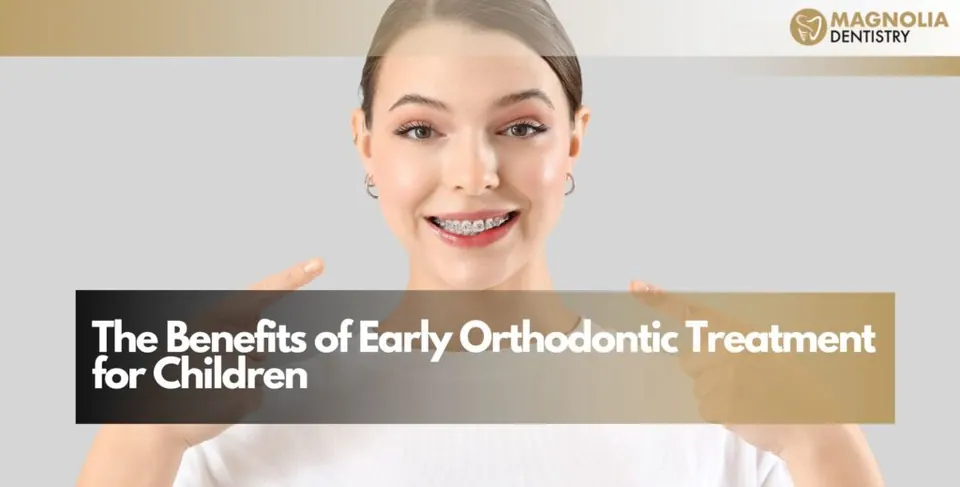
The Benefits of Early Orthodontic Treatment for Children
Early orthodontic treatment refers to procedures performed while a child still has primary teeth (baby teeth) and their permanent teeth.
As a parent, you want the best for your child’s health and development, and oral health plays a crucial role in their overall well-being. Early orthodontic treatment, also known as interceptive orthodontics or Phase 1 orthodontics, has become an increasingly important aspect of pediatric dental care. Understanding when and why your child might benefit from early intervention can make a significant difference in their dental development, facial growth, and long-term oral health outcomes.
The American Association of Orthodontists recommends that children have their first orthodontic evaluation by age 7, even if their permanent teeth haven’t fully erupted. This timing allows orthodontists to identify potential problems with jaw growth and emerging teeth while some baby teeth are still present. This comprehensive guide explores the numerous advantages of early orthodontic treatment and helps parents make informed decisions about their child’s dental care.
Understanding Early Orthodontic Treatment
Early orthodontic treatment refers to procedures performed while a child still has primary teeth (baby teeth) and their permanent teeth are beginning to emerge, typically between ages 6 and 10. Unlike traditional orthodontic treatment that usually begins around age 12-14 when all permanent teeth have erupted, interceptive treatment addresses developing problems before they become more severe.
Phase 1 treatment focuses on guiding jaw development, creating adequate space for incoming permanent teeth, and correcting harmful oral habits. This proactive approach doesn’t always eliminate the need for future braces or orthodontic appliances, but it can significantly reduce the complexity and duration of later treatment phases.
Pediatric orthodontics differs from adult treatment because children’s bones are still growing and developing. This growth period provides a valuable window of opportunity where orthodontists can guide development rather than simply moving teeth in fully developed jaws. The malleable nature of young bone structures allows for more conservative and effective interventions that might not be possible once growth is complete.
Common Issues Addressed by Early Treatment
Early orthodontic intervention targets a wide range of developmental problems affecting jaw growth, tooth alignment, bite relationships, and overall oral function.
Jaw Growth Problems
One of the primary benefits of early orthodontic intervention is the ability to address skeletal problems and jaw discrepancies while bones are still developing. Crossbites, where upper teeth fit inside lower teeth when biting, can indicate jaw width problems that worsen over time without treatment. Early correction using palatal expanders can widen the upper jaw naturally, taking advantage of the unfused midpalatal suture in children.
Underbites, where the lower jaw protrudes beyond the upper jaw, and overbites, where upper teeth significantly overlap lower teeth, often have skeletal components best addressed during growth. Functional appliances can modify jaw growth patterns, potentially avoiding more invasive treatments like jaw surgery in adulthood.
Open bites, where front teeth don’t touch when back teeth are together, frequently result from prolonged thumb sucking or tongue thrusting. Addressing these habits early and guiding proper tooth alignment prevents the condition from becoming more entrenched and difficult to correct.
Space Management Issues
Crowded teeth represent one of the most common reasons for seeking orthodontic care. When baby teeth fall out prematurely due to decay or injury, adjacent teeth may drift into the empty space, leaving insufficient room for permanent teeth to erupt properly. Space maintainers preserve the necessary space until permanent teeth are ready to emerge.
Conversely, spacing problems where teeth are too far apart can also indicate underlying issues. Diastemas (gaps between teeth) sometimes close naturally as more teeth erupt, but persistent spacing may signal jaw size discrepancies or missing teeth that require attention.
Impacted teeth, particularly canines (eye teeth), benefit from early detection and treatment. Creating adequate space and guiding these teeth into proper position is much easier during childhood than attempting to expose and align them in adulthood.
Primary Benefits of Early Orthodontic Treatment in Burbank, CA
For families seeking orthodontic care at a trusted Dental Office in Burbank, CA, understanding the comprehensive benefits of early treatment helps in making informed decisions about your child’s dental future.
Guides Proper Jaw Development
The most significant advantage of early treatment is the ability to influence jaw growth and development. Orthopedic appliances like palate expanders, headgear, and functional appliances work with natural growth processes to correct skeletal imbalances. This guidance creates proper proportions between upper and lower jaws, improving both function and facial aesthetics.
Facial symmetry and profile development benefit tremendously from early intervention. When jaws develop in a proper relationship to each other, the entire facial structure achieves better balance and harmony. This not only enhances appearance but also promotes proper function of the temporomandibular joint (TMJ) and supporting structures.
Creates Space for Permanent Teeth
Tooth eruption follows a predictable sequence, and ensuring adequate space for each tooth prevents dental crowding that leads to crooked, overlapped teeth. Serial extraction protocols, where selected primary teeth are removed at strategic times, can guide permanent teeth into better positions naturally, reducing or eliminating the need for tooth removal later.
Arch development through expansion creates room for teeth to align properly without extraction in many cases. This approach preserves all permanent teeth while achieving proper alignment and bite relationships.
Reduces Treatment Complexity Later
Children who receive Phase 1 treatment often experience shorter and simpler Phase 2 treatment (comprehensive braces) during adolescence. By addressing major skeletal and spacing issues early, the later treatment focuses primarily on fine-tuning tooth positions and achieving ideal occlusion (bite relationship).
In some cases, early intervention may eliminate the need for future orthodontic treatment entirely. When problems are caught and corrected early, natural growth and development sometimes complete the correction process without additional intervention.
Improves Oral Function
Bite problems affect more than just appearance; they impact how children chew, speak, and breathe. Malocclusion (bad bite) can cause uneven wear on teeth, difficulty biting and chewing certain foods, and increased risk of tooth decay and gum disease due to cleaning difficulties.
Speech development can be affected by dental misalignment and jaw relationships. Certain sounds require proper tongue placement against teeth, and severe orthodontic problems can interfere with clear speech. Early correction allows children to develop proper speech patterns during critical developmental years.
Breathing problems often relate to narrow jaws and airway obstruction. Palatal expansion increases nasal airway width, potentially improving breathing and reducing issues like mouth breathing and sleep-disordered breathing. Proper nasal breathing supports better sleep quality, concentration, and overall health.
Psychological and Social Benefits
Beyond physical improvements, early orthodontic treatment profoundly impacts children’s emotional development, self-image, social interactions, and overall quality of life during formative years.
Boosts Self-Confidence
Children can be remarkably aware of physical differences, and noticeable dental problems sometimes affect self-esteem and social interactions. Protruding teeth, severe crowding, or significant gaps may make children self-conscious about their smiles. Addressing these issues early allows children to feel more confident during crucial developmental years when peer relationships and social interactions intensify.
Bullying prevention represents an unfortunate but real benefit of early treatment. Children with prominent dental irregularities sometimes face teasing from peers. While addressing bullying behavior is paramount, helping children feel confident about their appearance supports their emotional well-being and social development.
Prevents Dental Trauma
Protruding front teeth are significantly more vulnerable to injury during falls, sports activities, and accidents. Studies show children with prominent front teeth are two to three times more likely to experience dental trauma. Early treatment that reduces protrusion protects teeth from potentially life-long consequences of injury, including tooth loss, root damage, and need for extensive restorative work.
Athletic performance and participation can be impacted by dental problems. Children comfortable with their smiles are more likely to engage fully in social and athletic activities without holding back or covering their mouths.
Breaking Harmful Oral Habits
Thumb sucking, finger sucking, and pacifier use are normal self-soothing behaviors in young children. However, when these habits persist beyond age 4-5, they can cause significant dental and skeletal changes including open bites, crossbites, and narrow palates. Early orthodontic intervention includes strategies and appliances designed to help children discontinue these habits before permanent damage occurs.
Tongue thrusting, where the tongue pushes forward against or between teeth during swallowing, can prevent proper bite development and maintain or create open bites. Myofunctional therapy and specific appliances help retrain swallowing patterns and tongue posture, allowing normal dental development to proceed.
Mouth breathing often develops due to airway obstruction from enlarged tonsils, adenoids, or narrow nasal passages. This habit affects facial growth, leading to longer facial proportions and narrower jaws. Addressing the underlying causes through collaboration with pediatric dentists, ENT specialists, and orthodontists provides comprehensive solutions that support optimal development.
Long-Term Cost and Time Savings
While early orthodontic treatment represents an upfront investment, it often results in significant long-term savings. By addressing problems when they’re developing rather than waiting until they’re severe, treatment is frequently less extensive, shorter in duration, and less expensive overall.
Preventive care costs substantially less than corrective treatment for advanced problems. For example, guiding a jaw growth pattern during childhood might avoid the need for surgical correction in adulthood, which involves significant expense, recovery time, and potential complications.
Treatment duration typically decreases when early intervention is provided. While a child might need both Phase 1 and Phase 2 treatment, the combined time is often less than the extended treatment period required to correct severe problems addressed for the first time in adolescence or adulthood.
Finding the Right Orthodontic Care
Selecting the right provider for your child’s orthodontic needs requires careful consideration. Look for board-certified orthodontists who have completed additional years of specialized training beyond dental school. Orthodontists in Burbank, CA with experience in pediatric orthodontics and early treatment protocols understand the unique needs of growing children.
Comprehensive evaluations should include detailed examination of teeth, jaws, bite relationships, and facial proportions. Digital imaging technologies like panoramic x-rays and cephalometric x-rays provide crucial information about tooth development, jaw relationships, and potential problems not visible during clinical examination.
Treatment planning should be thoroughly explained, including specific goals, expected duration, appliances or techniques to be used, and anticipated costs. Reputable orthodontists present all treatment options, including the choice to monitor development without immediate intervention when appropriate.
The Importance of Timing
The ideal timing for orthodontic evaluation is age 7, as recommended by orthodontic associations. This doesn’t mean treatment will begin immediately; rather, it establishes a baseline and allows the orthodontist to monitor development and identify the optimal time to intervene if needed.
Early detection provides more treatment options and better outcomes. Some conditions benefit from treatment as soon as they’re identified, while others are best addressed during specific growth phases. Regular monitoring ensures intervention occurs at the most advantageous time.
Waiting too long can allow problems to become more entrenched and difficult to correct. Skeletal issues, in particular, become increasingly challenging to address conservatively once facial growth is complete, sometimes requiring surgical intervention that could have been avoided with early treatment.
What to Expect During Early Treatment
Phase 1 treatment typically lasts 12-18 months, though duration varies based on specific issues being addressed. Common appliances include palatal expanders to widen the upper jaw, partial braces on select teeth to guide eruption or correct positions, space maintainers to preserve room for incoming teeth, and functional appliances to modify jaw growth relationships.
Cooperation from both child and parents is essential for success. Children must wear appliances as directed, maintain excellent oral hygiene, attend regular adjustment appointments, and avoid foods or habits that could damage appliances. Parents play a crucial role in ensuring compliance, especially with removable appliances.
Retention phase follows active treatment, where retainers or other appliances maintain corrections while remaining permanent teeth erupt. This phase may last several years, with periodic monitoring until comprehensive treatment (Phase 2) begins or until the orthodontist confirms stable development.
Maintaining Results and Oral Health
Home care becomes even more important during orthodontic treatment. Braces and other appliances create additional surfaces where food and plaque can accumulate, increasing risk of tooth decay and gum inflammation. Teaching children proper brushing and flossing techniques, along with using prescribed cleaning tools like interdental brushes or water flossers, protects oral health during treatment.
Dietary modifications prevent appliance damage and treatment delays. Avoiding hard, sticky, or chewy foods protects wires, brackets, and appliances from breakage. Following dietary guidelines ensures treatment progresses on schedule without unnecessary repair appointments.
Regular dental checkups continue throughout orthodontic treatment. While the orthodontist manages tooth movement and jaw development, the general dentist monitors overall oral health, provides cleanings, and addresses any decay or gum issues. This team approach ensures comprehensive care for your child’s dental health.
Conclusion
Early orthodontic treatment offers profound benefits for children’s dental health, facial development, and psychological well-being. By taking advantage of natural growth processes and addressing problems during their developmental stages, interceptive orthodontics provides more conservative, effective, and often less expensive solutions than waiting until adolescence or adulthood.
The combination of improved jaw relationships, proper tooth alignment, enhanced oral function, and increased self-confidence makes early evaluation and treatment a worthwhile investment in your child’s future. While not every child requires early intervention, having an evaluation by age 7 ensures that if treatment is needed, it begins at the optimal time for the best possible outcomes.
Parents in Burbank seeking comprehensive pediatric dental care should consult with qualified orthodontic specialists to determine whether their child would benefit from early treatment. With proper diagnosis, timing, and treatment planning, early orthodontics sets the foundation for a lifetime of healthy, beautiful smiles and optimal oral function.
Your next step
Talk with Dr. Massaband about your situation
Articles explain general options; an examination tells you what applies to you. Call the Burbank office or book online.
This article is general patient education and is not a diagnosis or a substitute for an in-person dental examination.