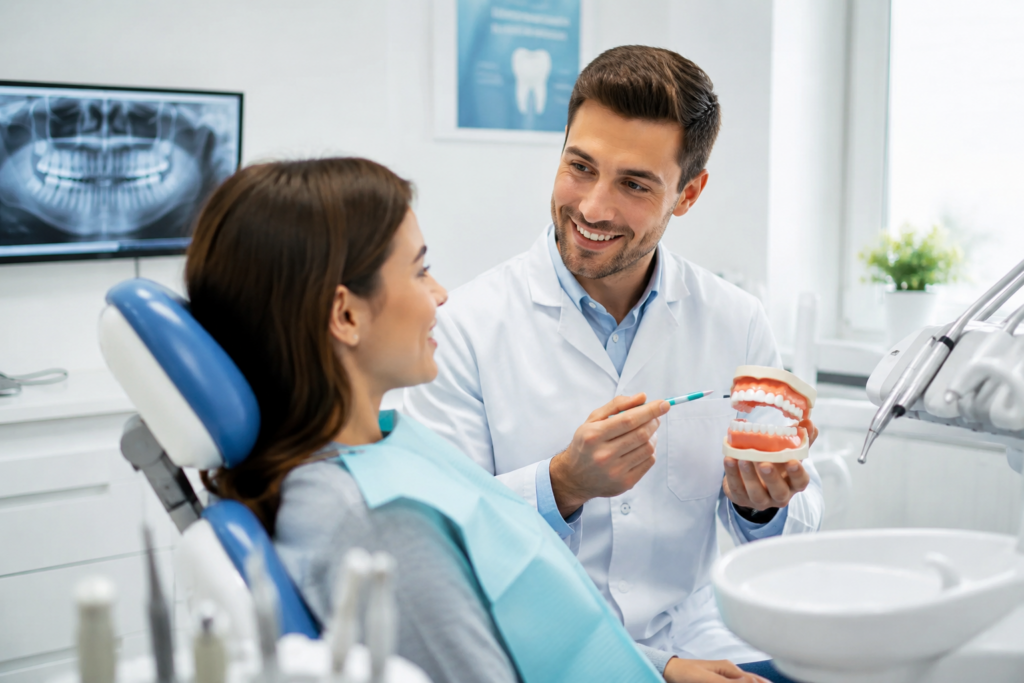
A dental cleaning is one of the most important preventive services for maintaining strong teeth, healthy gums, and long-term oral wellness. Yet many patients feel unsure about what actually happens during a cleaning especially if it has been a while since their last visit. Understanding step-by-step what to expect removes uncertainty, reduces anxiety, and helps you feel confident each time you sit in the dentist’s chair.
This detailed guide explains every part of the process so you know exactly what happens, why it matters, and how a routine cleaning protects your oral health. Whether this is your first dental cleaning or you’re returning after a long gap, this article prepares you for a smooth, comfortable, and beneficial experience.
Table of Contents
Why Dental Cleanings Matter for Long-Term Oral Health
Dental cleanings do far more than polish your teeth they prevent disease, protect enamel, eliminate harmful bacteria, and support overall health. Cleanings help stop issues before they become painful or expensive to treat.
How Professional Cleanings Remove What Brushing Cannot
Brushing and flossing help maintain daily hygiene, but plaque and tartar still build up in hard-to-reach areas. During a cleaning, dental tools remove these hardened deposits, preventing gum irritation, decay, and inflammation.
Cleanings Reduce Gum Disease Risk
Gum disease begins with plaque buildup along the gumline. Early stages are painless, so professional cleaning is essential to prevent progression. Removing bacteria from deep areas protects your gums and lowers future treatment needs.
Cleanings Protect Your Teeth From Cavities
Tartar holds bacteria that release acids, breaking down enamel. Cleanings eliminate tartar and help prevent cavities before they develop. This keeps your natural teeth stronger for years to come.
Preparing for Your Dental Cleaning Appointment
Before the cleaning begins, your dental team gathers important information to understand your oral health history and any concerns you may have.
Updating Your Medical and Dental History
Your dentist reviews medical conditions, medications, allergies, and past dental treatments to tailor your cleaning plan. Conditions like diabetes or dry mouth increase cavity risk and influence the type of care you receive.
Sharing Any Concerns or Symptoms You’ve Experienced
If you’ve noticed bleeding gums, sensitivity, jaw discomfort, or bad breath, sharing this information helps your hygienist focus on areas that need special attention during the cleaning.
Understanding Your Oral Health Goals
Some patients want brighter teeth, others need gum support, and some simply want to maintain strong oral health. Knowing your goals helps your dentist personalize the cleaning experience.
What Happens During a Standard Dental Cleaning?
A typical dental cleaning includes several precise steps designed to clean your teeth thoroughly, protect the enamel, and support gum health.
Step 1 — Initial Examination of Teeth and Gums
Your hygienist evaluates each tooth, looking for plaque buildup, inflammation, recession, or signs of early decay. This quick assessment helps determine which areas require deeper cleaning.
Step 2 — Scaling to Remove Plaque and Tartar
Using a small instrument called a scaler, your hygienist gently removes hardened tartar above and below the gumline. Scaling prevents gum disease and helps maintain clean, healthy enamel.
Step 3 — Polishing the Teeth for a Smooth Finish
Your teeth are polished using a special paste that makes enamel smooth and prevents plaque from sticking easily. This step gives your teeth a clean, refreshed feeling.
Step 4 — Professional Flossing of Every Tooth
Flossing removes plaque between teeth and ensures deeper cleaning. Hygienists can reach tight areas patients often miss at home.
Step 5 — Fluoride Treatment for Added Protection
A fluoride gel, varnish, or foam may be applied to strengthen enamel and make your teeth more resistant to decay. Fluoride benefits patients of all ages.
Deep Cleaning vs. Standard Cleaning: What’s the Difference?
Some patients require a deeper cleaning also known as scaling and root planing especially if gum disease is present.
When a Deep Cleaning Is Recommended
Deep cleanings target tartar buildup beneath the gums where standard cleanings cannot reach. This treatment helps stop gum disease progression and prevents bone loss.
How Deep Cleanings Help Restore Gum Health
By smoothing root surfaces, hygienists make it harder for bacteria to attach again. This reduces inflammation and allows gums to reattach to the teeth.
How to Know Which Cleaning You Need
Your dentist evaluates gum depth measurements, X-rays, and symptoms like bleeding or swelling to determine whether a deep cleaning is necessary.
Does a Dental Cleaning Hurt? What You Should Expect
Most dental cleanings are comfortable, but patients with sensitive gums or heavy buildup may feel mild discomfort. Knowing this ahead of time can ease anxiety.
Why You May Feel Sensitivity During Cleaning
Inflamed gums, exposed roots, or heavy tartar deposits may cause brief sensitivity. Hygienists work gently and can adjust techniques to minimize discomfort.
How Dentists Reduce Pain or Sensitivity
Topical gels, warm water rinsing, or adjusting pressure help reduce discomfort. For deeper cleanings, local anesthesia may be used.
Communicating With Your Hygienist Helps
Letting your hygienist know when you feel discomfort allows them to slow down or adjust tools to ensure a more comfortable experience.
What Your Dentist Looks for During a Dental Cleaning Appointment
Dental cleanings provide more than just polished teeth they give your dentist a clear view of your gums, bone health, enamel strength, and early warning signs of disease. This evaluation helps prevent future problems and keeps your oral health on track.
Checking for Gum Inflammation and Early Disease
Your dentist looks for redness, swelling, or bleeding along the gums. These signs may indicate early gum disease. Detecting gum issues at their earliest stage prevents serious complications and reduces the need for deeper periodontal treatments later.
Checking for Enamel Weakness or Wear
Grinding, acidic foods, or poor hygiene can weaken enamel. Your dentist examines worn surfaces and identifies areas prone to decay, helping create a plan to strengthen enamel and protect teeth from further erosion.
Identifying Cracks, Chips, or Tooth Damage
Some small cracks or chips may go unnoticed by patients. During a cleaning, your dentist checks every tooth for structural weakness so issues can be repaired early before they threaten long-term health.
Understanding X-Rays During a Dental Cleaning
X-rays are an essential part of preventive care because they reveal issues that cannot be seen during a visual exam. They help ensure your cleaning appointment is as thorough and accurate as possible.
Why X-Rays Are Important for Monitoring Oral Health
X-rays show decay between teeth, bone levels, and infections beneath the gums. They help detect problems early even before symptoms appear reducing treatment costs and preventing painful episodes.
How Often X-Rays Are Needed
Most patients need bitewing X-rays once a year, but people with higher risk of decay or gum disease may require them more frequently. Children may also need X-rays more often because their teeth and bones develop quickly.
Safety of Modern Digital X-Ray Technology
Digital X-rays use significantly less radiation than traditional film. Protective aprons and shields further reduce exposure, making the process extremely safe for both adults and children.
Common Side Effects After a Dental Cleaning
Most patients feel Side Effects of Dental Cleaning refreshed after their dental cleaning, but mild side effects can occur especially if the cleaning was deep or if gums were already inflamed. These temporary effects typically resolve quickly.
Mild Gum Soreness or Tenderness
It’s normal to experience mild gum soreness, especially if tartar buildup was heavy. This tenderness usually fades within 24–48 hours as the gums recover from stimulation and plaque removal.
Temporary Tooth Sensitivity
Some patients feel slightly more sensitive to temperature after cleaning, especially near exposed roots. This sensitivity is temporary and improves as the gums heal and plaque-free enamel adjusts.
Small Amounts of Bleeding After the Cleaning
If gums were inflamed before treatment, slight bleeding may occur. With better brushing and flossing, gum tissue becomes healthier and bleeding lessens in future visits.
How Dental Cleanings Support Gum and Bone Health
Routine cleanings play a major role in preventing the progression of gum disease the leading cause of tooth loss in adults. Cleanings remove harmful bacteria and protect the jawbone from deterioration.
Preventing Gingivitis Through Regular Cleanings
Gingivitis begins quietly, often without pain. Cleanings remove plaque and tartar that irritate the gums, helping reverse early inflammation and preventing it from becoming periodontal disease.
Reducing Your Risk of Periodontal Disease
When untreated, bacteria travel below the gums, creating deeper pockets. Cleanings stop this progression early, preserving your gums and the bone structures that support your teeth.
Protecting the Bone Structure Beneath the Teeth
Plaque bacteria trigger inflammation that destroys bone over time. Regular cleanings reduce bacteria levels and help maintain the strong bone foundation needed for long-term oral stability.
What Happens After Your Dental Cleaning Appointment?
The benefits of a cleaning continue long after you leave the office. Your mouth feels fresher, your smile looks brighter, and you receive guidance tailored to your dental needs.
Post-Cleaning Oral Care Instructions
Your dentist may recommend brushing techniques, flossing tools, or mouthrinse options to maintain a healthy mouth between visits. Personalized instructions help prevent future buildup and keep your teeth strong.
When to Schedule Your Next Dental Visit
Most patients benefit from cleanings every six months, but those with gum disease or high risk of decay may need visits every 3–4 months. Following the schedule your dentist recommends ensures you stay protected.
Watching for Any Unusual Symptoms After the Cleaning
If symptoms worsen, or sensitivity lasts more than a few days, your dentist may recommend evaluation. Most after-cleaning sensations are normal and temporary.
How Cleanings Improve Overall Wellness, Not Just Oral Health
Your dental cleaning affects more than your teeth it contributes to your overall health. Emerging research shows strong connections between gum health and systemic health issues.
Reducing Inflammation in the Body
Chronic gum inflammation has been linked to heart disease, diabetes, and respiratory illness. Cleanings reduce harmful bacteria and inflammation, supporting your body’s overall wellness.
Improving Breath and Oral Freshness
Removing plaque and tartar instantly improves breath. Cleanings also remove food particles and bacteria that brushing may miss, leaving your mouth fresher for longer.
Supporting Healthy Digestion and Nutrition
Healthy teeth allow you to chew food properly. Cleanings help maintain strong teeth, supporting better digestion and overall nutritional health.
The Role of Dental Cleanings in Cosmetic Dentistry
Cleanings don’t only benefit health they also enhance your smile’s appearance. A cleaner mouth is a brighter, more confident one.
Enhancing the Natural Shine of Your Enamel
Polishing removes surface stains caused by foods, drinks, and tobacco. This leaves teeth looking naturally brighter without whitening chemicals.
Preparing the Mouth for Cosmetic Procedures
Before treatments like whitening or veneers, cleanings ensure your teeth and gums are healthy enough for more advanced cosmetic work.
Helping Maintain Cosmetic Dental Work
Crowns, veneers, and fillings last longer when the surrounding teeth and gums stay clean. Cleanings protect your investment in cosmetic dentistry.
Dental Cleaning for Every Age Group: What Changes as You Grow?
Dental cleanings are important at every stage of life, but the approach changes based on age, oral development, and risk level. Understanding these differences helps patients stay proactive and confident about their care, especially when wondering Do You Need Dental Cleaning based on your individual needs.
Dental Cleanings for Children
Children benefit from gentle cleanings that remove plaque and educate them about proper hygiene. Early cleanings help prevent cavities and promote good habits while monitoring tooth and jaw development as kids grow.
Dental Cleanings for Teenagers
Teens often experience increased plaque buildup from orthodontics, sports drinks, or hormonal changes. Regular cleanings help reduce decay, track wisdom teeth development, and maintain a healthy smile during a critical growth stage.
Dental Cleanings for Adults
Adults face risks such as gum disease, enamel wear, and lifestyle-related staining. Cleanings help remove hardened tartar and protect the teeth and gums from long-term disease progression.
Dental Cleanings for Seniors
Seniors may experience dry mouth, gum recession, missing teeth, or old dental work that needs maintenance. Cleanings protect natural teeth, help maintain dentures or implants, and preserve long-term oral function.
Advanced Preventive Care Included During Your Cleaning
Modern dental cleanings often include additional preventive steps designed to strengthen the teeth, protect the gums, and reduce the risk of future dental concerns.
Fluoride Treatments for Enamel Protection
Fluoride helps strengthen weakened enamel and prevents cavities. It is particularly beneficial for children, seniors, and patients with dry mouth or frequent sensitivity.
Dental Sealants for Added Cavity Defense
For children and some adults, dental sealants protect the grooves of back teeth to reduce the risk of decay. Sealants compliment the cleaning process and provide a long-lasting barrier against bacteria.
Oral Cancer Screening During Cleanings
Dentists often perform oral cancer screenings as part of routine checkups. These screenings detect early signs of abnormal tissue, ensuring timely intervention and improved outcomes.
How to Maintain Clean Teeth Between Professional Visits
A dental cleaning offers an excellent reset for your oral health, but maintaining results between visits is crucial. Small daily habits help keep your teeth cleaner, brighter, and healthier.
Brushing Techniques That Protect Enamel
Using a soft-bristle toothbrush and gentle pressure prevents enamel wear while removing plaque. Brushing for two minutes twice daily helps maintain a clean, healthy surface.
The Importance of Daily Flossing
Floss reaches areas brushing cannot, removing plaque from between the teeth and preventing hidden decay or gum irritation. Daily flossing significantly reduces risk of gum disease.
Mouthwash to Reduce Bacteria and Freshen Breath
Antibacterial rinses help reduce harmful bacteria and improve breath freshness. Mouthwash enhances the effects of brushing and flossing, offering additional protection between cleanings.
Lifestyle Choices That Influence Your Dental Cleaning Results
Your daily habits directly affect how quickly plaque and tartar accumulate on your teeth. Understanding these lifestyle factors helps you take control of your oral health.
Diet Choices Affecting Oral Health
Sugary foods, acidic beverages, and frequent snacking increase cavity risk. Choosing nutrient-rich foods and drinking plenty of water helps keep enamel strong and reduces bacterial growth.
Tobacco Use and Its Impact on Oral Health
Smoking and smokeless tobacco cause gum recession, staining, and increased tartar buildup. Cleanings help manage these effects, but quitting is the best step for long-term oral wellness.
Hydration and Saliva Production
Saliva helps neutralize acids and wash away food particles. Staying hydrated improves saliva flow, keeping your mouth cleaner and reducing the risk of decay between visits.
Why Consistent Dental Cleanings Are Essential for Oral and Overall Health
There is a strong connection between your oral health and your systemic health. Consistent cleanings help prevent disease throughout the body, not just the mouth, which is why choosing a Professional Dental Cleaning in Burbank, CA can play an important role in supporting your overall wellness.
Link Between Gum Health and Heart Disease
Bacteria from gum disease can enter the bloodstream, contributing to heart disease and stroke. Cleanings reduce bacterial loads and help protect cardiovascular health.
Dental Cleanings and Diabetes Management
People with diabetes are more prone to gum disease. Maintaining regular cleanings helps reduce inflammation and improve blood sugar control.
Supporting Immune Health Through Clean Teeth
Reducing harmful bacteria in the mouth lowers overall inflammation, supporting a healthier immune system and reducing risk of infection.
Personalized Recommendations After Your Dental Cleaning
After evaluating your oral health, your dentist offers personalized advice to help you maintain clean teeth and healthy gums. These recommendations support long-term success.
Custom Oral Hygiene Plan
Depending on your gum health, enamel strength, and lifestyle, your dentist may suggest specific toothpaste, mouthwash, or hygiene tools tailored to your needs.
Frequency of Future Cleanings
Some patients benefit from twice-yearly cleanings, while others especially those with gum issues may require visits every 3–4 months.
Monitoring Changes in Oral Health
Your dentist tracks changes in gum health, enamel condition, and overall oral structure over time. This helps catch problems early and maintain a healthy smile.
Conclusion
A dental cleaning is more than a routine appointment it’s an essential part of maintaining long-term oral health, preventing gum disease, and preserving your natural smile. Understanding what to expect helps you feel confident before, during, and after your visit. With modern techniques, personalized care, and preventive guidance, dental cleanings offer comfort, protection, and long-lasting wellness benefits. For the best experience and expert care, schedule your next cleaning with a trusted Dentist in Burbank, CA.
Frequently Asked Questions About Dental Cleanings
Will a dental cleaning hurt?
Most cleanings are comfortable. Mild sensitivity may occur if gums are inflamed or tartar buildup is heavy, but hygienists work gently and can adjust their technique to keep you comfortable.
How long does a cleaning take?
A routine cleaning typically takes 30–45 minutes. Deep cleanings may require more time or multiple visits depending on the severity of gum disease.
How often should I schedule dental cleanings?
Most people benefit from cleanings every six months. Patients with gum disease, diabetes, or high decay risk may require more frequent visits.
Can dental cleanings whiten my teeth?
Cleanings remove surface stains, making teeth appear brighter. They are not the same as whitening treatment, but they significantly improve natural shine and cleanliness.
What should I avoid after a cleaning?
Avoid very hot or cold foods if your teeth feel sensitive. If fluoride was applied, avoid eating or drinking for 30 minutes to allow proper absorption.