Dental veneers are one of the most effective and predictable treatments in cosmetic dentistry, offering patients a long-lasting solution for improving tooth shape, symmetry, color, and overall smile aesthetics. Whether correcting chips, discoloration, gaps, or tooth wear, porcelain veneers and composite veneers remain among the most requested treatments worldwide. This comprehensive, clinician-focused guide explains exactly what veneers are, how they work, their longevity, candidacy requirements, risks, benefits, alternatives, and what patients should know before undergoing treatment.
Table of Contents
What Are Dental Veneers?
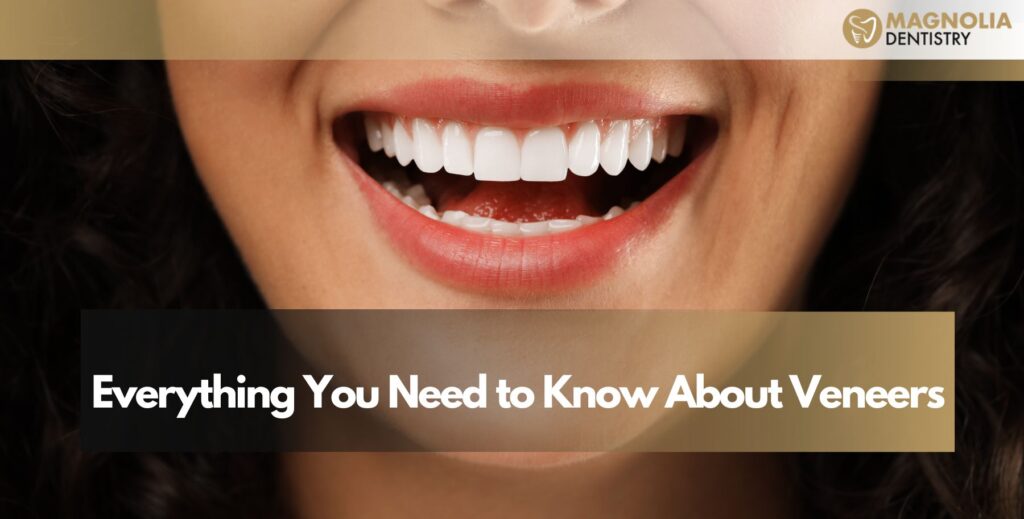
Dental veneers are ultra-thin restorations bonded to the front surfaces of teeth to improve color, shape, alignment, and overall esthetics. These restorations mimick natural enamel, providing exceptional translucency and lifelike appearance. They are most commonly fabricated from porcelain or high-strength ceramic materials, though composite veneers serve as an alternative. Veneers are central in esthetic dentistry, offering predictable outcomes and exceptional smile transformations while preserving a significant amount of natural tooth structure.
Composition and Material Types
Veneers are fabricated from different materials including porcelain, ceramic, lithium disilicate, zirconia-based ceramics, and composite resin. Porcelain materials offer superior strength, stain resistance, and color stability. Lithium disilicate veneers popularized by IPS e.max technology deliver high translucency and durability. Composite veneers use resin-based composite sculpted directly on the tooth. Material selection depends on patient esthetic goals, bite dynamics, and the level of enamel preservation required.
Purpose of Veneers in Cosmetic Dentistry
The primary purpose of veneers is to enhance smile harmony by correcting aesthetic concerns such as discoloration, enamel wear, spacing irregularities, minor misalignment, and fractured tooth edges. They recreate both the color and contour of natural enamel. Veneers are routinely chosen for smile makeovers due to their ability to deliver consistent, high-level results. From a clinical standpoint, veneers offer a conservative alternative to full crowns because they require significantly less tooth reduction.
How Veneers Compare to Other Cosmetic Treatments
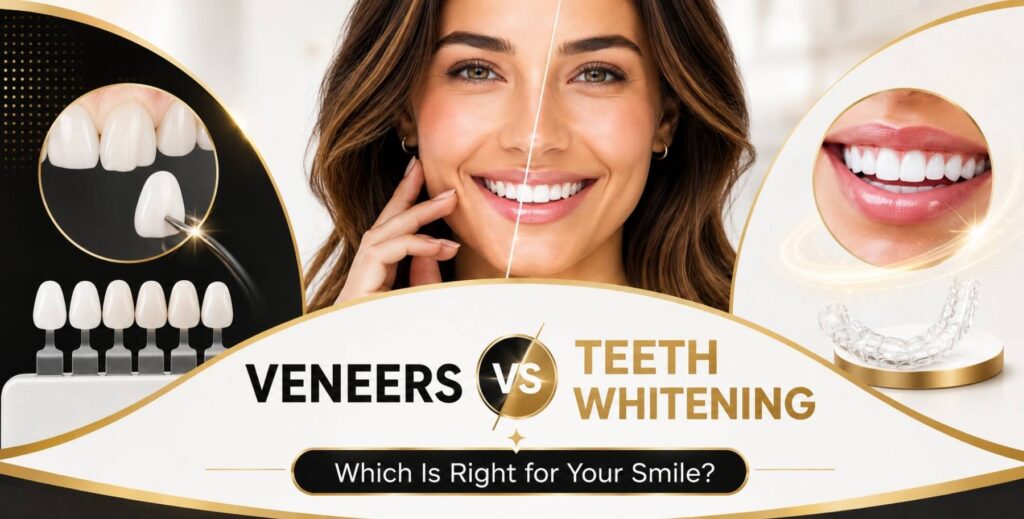
Compared to teeth whitening, dental bonding, or orthodontic alignment, veneers offer a more immediate and comprehensive transformation. Whitening cannot correct shape or alignment, bonding lacks long-term durability, and orthodontics requires extended treatment time. Veneers combine both aesthetic and functional improvements in a single procedure. Their versatility and stability make them the gold standard in many esthetic dentistry treatment plans.
How Veneers Work to Improve Your Smile
Veneers adhere to the enamel surface through advanced bonding systems, forming a durable interface that mimics natural tooth structure. Once bonded, the veneer permanently modifies the shape, brightness, and harmony of the smile. Unlike crowns, veneers only cover the facial surface, allowing for maximum preservation of enamel. Their optical properties enable them to reflect and refract light similarly to enamel, creating a natural-looking result.
The Bonding Mechanism Behind Veneers
Porcelain veneers bond chemically to enamel through resin cements. The preparation surface is etched, primed, and layered with adhesive, creating micromechanical retention. This interface significantly strengthens the remaining tooth structure. When executed properly, veneer bonding has high long-term success rates. Bonded veneers exhibit minimal microleakage and maintain stability even under functional stress.
Enhancing Tooth Proportion and Symmetry
Veneers enable clinicians to correct discrepancies in tooth proportion, width-to-length ratio, axial inclination, and gingival line harmony. They help standardize incisal edges, address worn dentition, close diastemas, and restore youthful contours. Digital smile analysis is often used to map proportions for optimal esthetic outcomes. Veneers can modify symmetry far more precisely than whitening or bonding procedures.
Masking Intrinsic Stains and Discoloration
Patients with intrinsic discoloration such as fluorosis, tetracycline staining, or developmental defects—benefit greatly from veneers. Teeth whitening alone cannot correct these deeper stains. Veneers cover imperfections entirely, providing brightness and uniform shading. Modern ceramics allow for custom translucency levels, ensuring a natural appearance even when masking darker underlying teeth.
Types of Veneers Available
Today’s clinical landscape offers multiple veneer types tailored to esthetics, durability, and tooth preservation goals. The most common categories include porcelain veneers, composite veneers, no-prep veneers, and Lumineers®-style ultra-thin veneers. Each category carries distinct advantages, preparation protocols, and longevity factors. Material selection requires evaluating patient expectations, occlusion, enamel quality, and budget.
Porcelain Veneers
Porcelain veneers represent the highest standard in cosmetic dentistry due to their exceptional strength, translucency, and stain resistance. Fabricated from high-quality ceramic, they replicate natural enamel more accurately than any other restorative material. Their durability often exceeds 15–20 years with proper care. Porcelain veneers are ideal for patients seeking comprehensive aesthetic correction with long-term predictability.
Composite Veneers
Composite veneers are sculpted chairside using resin materials. They are more affordable and require minimal tooth alteration. However, they are less resistant to staining and wear compared to porcelain. Composite veneers are a suitable option for younger patients, temporary restorations, or individuals requiring quick aesthetic enhancement. Although less durable, they offer flexibility for minor corrections and may be easily repaired.
No-Prep and Minimal-Prep Veneers
No-prep veneers involve ultra-thin porcelain shells bonded without removing significant enamel. These are ideal for selected cases with minimal misalignment and adequate facial space. While they preserve tooth structure, not all patients qualify due to thickness limitations. Proper case selection is critical, and overuse can result in bulky restorations.
Benefits of Getting Veneers
Veneers offer both esthetic and functional advantages. They enhance tooth shape, shade, and alignment while reinforcing weakened enamel. Their stain-resistant surfaces maintain brightness longer than natural teeth. Veneers also correct minor bite discrepancies and protect against further enamel erosion. These benefits contribute to their high global popularity in cosmetic dentistry and smile makeover procedures.
Aesthetic Transformation
Veneers create a dramatic improvement in smile aesthetics by correcting discoloration, asymmetry, spacing, and worn edges. Their lifelike translucency produces highly natural results. Patients often report enhanced confidence following treatment due to their improved smile line. Because color, shape, and texture are customized, veneers achieve outcomes unmatched by most other cosmetic treatments.
Functional Support and Protection
Beyond cosmetics, veneers reinforce structurally compromised enamel. They help protect teeth from wear, acid erosion, and chipping. Their bonded interface strengthens the tooth and distributes occlusal forces more evenly. Veneers can improve functional stability, especially in patients with moderate enamel loss.
Long-Term Durability
Veneers durability is one of their strongest advantages. High-quality porcelain veneers can last 15–20 years or longer. Their stain resistance exceeds that of natural enamel, and with proper care, they maintain color stability for decades. This long-term predictability makes veneers a cost-effective choice for comprehensive esthetic correction.
Who Is a Good Candidate for Veneers?
Ideal candidates demonstrate good oral hygiene, adequate enamel, and realistic expectations. Patients with intrinsic staining, minor misalignment, shape defects, or cosmetic concerns are typically strong candidates. However, patients with severe bruxism, malocclusion, or uncontrolled periodontal disease require pre-treatment care. Clinical evaluation includes assessing enamel thickness, occlusal loading, and gingival health.
Cosmetic Concerns That Veneers Can Correct
Veneers effectively treat discoloration, worn enamel, irregular tooth shapes, mild crowding, and spacing issues. They provide comprehensive aesthetic enhancement where whitening or bonding falls short. Patients seeking uniformity across their smile benefit greatly from veneer therapy.
Oral Health Requirements Before Treatment
Healthy gums and strong enamel are essential for veneer bonding. Dentists evaluate periodontal status, caries risk, and bite dynamics, ensuring veneers will function predictably. Conditions such as active decay, inflammation, or structural instability must be resolved before proceeding.
Situations Where Veneers May Not Be Recommended
Patients with severe malocclusion, insufficient enamel, heavy bruxism, or unrealistic cosmetic expectations may not be suitable candidates. Alternative options like orthodontics, crowns, or bonding may better serve their clinical needs. Accurate case selection ensures success and longevity.
The Veneer Procedure: Step-by-Step
The veneer procedure involves consultation, digital smile design, enamel preparation, impression taking, provisional placement, and final bonding. Each stage requires precision and adherence to adhesive protocols. Modern digital workflows improve accuracy and communication between dentist and ceramist, ensuring optimal results.
Consultation and Smile Design
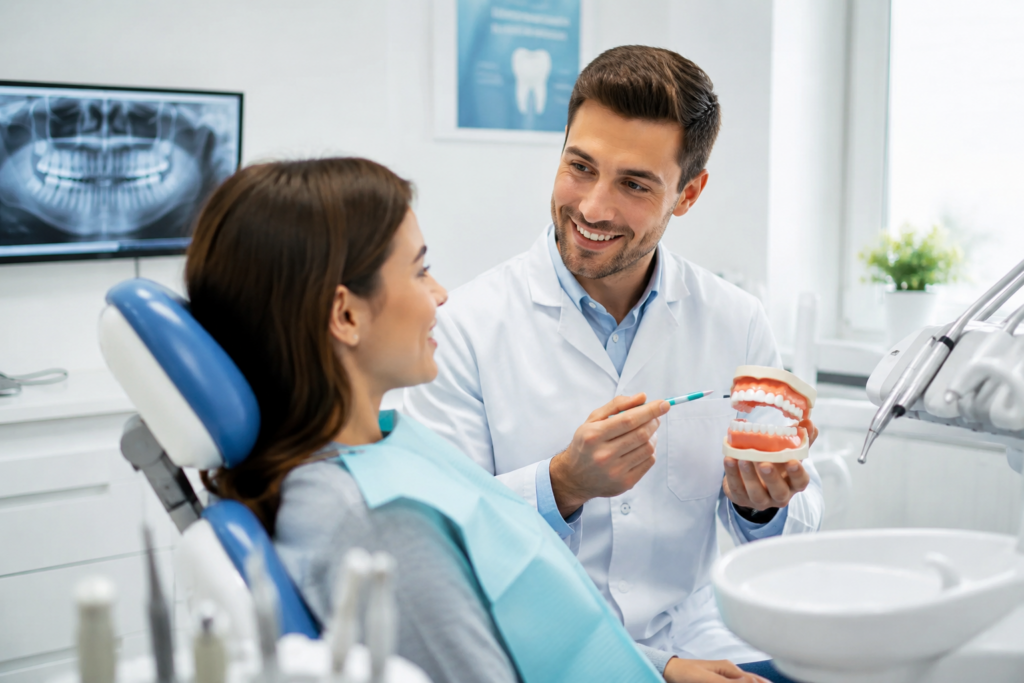
During consultation, clinicians evaluate facial proportions, lip dynamics, gingival architecture, and tooth morphology. Digital photography and 3D imaging allow for predictive modeling using smile design software. This ensures veneers align with patient expectations and functional requirements. A trial smile or wax-up may be used to preview results.
Tooth Preparation and Temporaries
Minimal preparation is performed to create room for the veneers. Enamel reduction ranges from 0.3–0.7 mm depending on material thickness. Impressions or digital scans are taken for laboratory fabrication. Temporaries protect the prepared surfaces, maintain aesthetics, and allow patients to test proposed shapes before finalization.
Final Bonding and Cementation
Bonding involves etching, priming, adhesive application, and resin cement placement. The veneer is seated, light-cured, and polished for final finish. Margins are inspected for adaptation, and occlusion is fine-tuned. Proper bonding ensures long-term stability and color retention.
How Long Do Veneers Last?
The lifespan of veneers depends on material selection, oral habits, occlusal forces, and maintenance. Porcelain veneers typically last 15–20 years, while composite veneers have shorter lifespans of 5–7 years. Clinical studies show high survival rates when patients practice proper hygiene and avoid damaging habits such as nail biting, ice chewing, or bruxism.
Factors That Influence Longevity
Veneer longevity is influenced by patient habits, oral hygiene, bonding technique, and material quality. Patients who grind their teeth may require night guards to protect restorations. Regular dental visits prevent margin deterioration and identify early complications.
Recognizing When Veneers Need Replacement
Signs of replacement include margin discoloration, veneer fracture, debonding, or underlying decay. Dentists assess veneer integrity through radiographs and clinical examination. Early detection prevents more complicated treatment.
Maintenance Strategies for Long-Lasting Veneers
Maintenance includes brushing with non-abrasive toothpaste, flossing daily, using mouthguards when necessary, and avoiding hard foods. Professional cleanings help preserve veneer surfaces and gingival health.
Porcelain vs. Composite Veneers
Choosing between porcelain and composite veneers involves weighing esthetics, durability, cost, and treatment goals. Porcelain offers superior esthetics and longevity, while composite provides affordability and reversibility. Comprehensive evaluation ensures patients select the best restorative solution.
Esthetic Differences Between the Two Materials
Porcelain veneers provide unmatched translucency and color depth. They resist stains and mimic enamel’s reflective qualities. Composite veneers offer good esthetics but lack the same level of luster and stability, requiring more maintenance.
Durability and Wear Resistance
Porcelain is significantly stronger and more wear-resistant than composite. Composite materials are more prone to chipping, staining, and abrasion. Patients seeking long-term durability often favor porcelain.
Cost Considerations and Treatment Time
Composite veneers cost less and are completed in a single visit. Porcelain veneers involve laboratory fabrication, increasing cost but providing superior longevity. The investment reflects material quality and lifespan.
Common Myths About Veneers
Public misconceptions often cloud understanding of veneer treatment. Addressing these myths helps patients make informed decisions and reduces anxiety. Clinicians must educate patients regarding preparation methods, enamel removal, durability, and natural appearance.
Myth: Veneers Look Fake
High-quality porcelain veneers are indistinguishable from natural teeth due to advanced ceramic layering. Their lifelike translucency and custom shading produce highly natural esthetics.
Myth: Veneers Require Extensive Drilling
Modern veneers require minimal enamel reduction far less than crowns. Some cases qualify for no-prep veneers, preserving virtually all enamel. Techniques emphasize conservation over aggressive shaping.
Myth: Veneers Are Only Cosmetic
While used predominantly for esthetics, veneers also reinforce weakened enamel, restore function, and protect against wear. They provide both cosmetic and therapeutic benefits.
Caring for Veneers: Long-Term Maintenance
Long-term veneer success depends on optimal oral hygiene, professional monitoring, and avoidance of damaging habits. Although veneers are durable, they require the same care as natural teeth.
Oral Hygiene Essentials for Veneers
Patients should brush twice daily with non-abrasive toothpaste and floss regularly to prevent gingival inflammation. Avoiding harsh whitening products preserves veneer surfaces.
Professional Dental Cleanings and Checkups
Routine cleanings help maintain veneer margins, prevent plaque buildup, and monitor gingival health. Dentists ensure bonding interfaces remain intact and free of microleakage.
Lifestyle Adjustments That Protect Veneers
Patients should avoid biting hard objects, smoking, staining beverages, and bruxism. Night guards may be recommended for grinders. Protective habits prolong veneer lifespan.
Risks and Limitations of Veneers
Although veneers offer excellent esthetic outcomes, they also carry limitations. Risks include sensitivity, veneer fracture, debonding, or need for replacement. Managing expectations is crucial to long-term satisfaction.
Tooth Sensitivity After Veneers
Some patients experience mild sensitivity after enamel reduction. This typically resolves within days. Desensitizing agents and proper bonding techniques minimize discomfort.
Potential Fracture or Chipping
Porcelain is strong but not indestructible. Biting on hard objects or grinding may fracture veneers. Protective appliances reduce the risk of failure.
Irreversibility of Veneer Treatment
Porcelain veneer preparation is irreversible because enamel removal cannot be restored. Patients must consider long-term commitment before proceeding.
Cost of Veneers and Financing Options
Veneers cost varies based on material, case complexity, geographic region, and dentist expertise. Porcelain veneers typically cost more due to laboratory fabrication and material properties. Insurance rarely covers cosmetic procedures, though financing options exist.
Factors That Determine Veneer Pricing
Cost reflects material quality, laboratory craftsmanship, dentist skill, and number of veneers required. Full smile design cases naturally cost more.
Insurance Coverage Considerations
Because veneers fall under cosmetic dentistry, most insurance plans do not cover them. Exceptions occur when veneers restore functional defects.
Flexible Payment and Financing Options
Clinics offer payment plans, third-party financing, or phased treatment to make veneers accessible. Patients should discuss affordability early in the consultation.
Alternatives to Veneers: What to Consider
Patients unable to receive veneers may benefit from alternatives such as dental bonding, orthodontics, tooth whitening, or crowns. The best alternative depends on the patient’s aesthetic goals and tooth structure.
Dental Bonding as a Conservative Alternative
Bonding uses composite resin to correct minor shape defects and discoloration. Although affordable, it lacks the longevity and stain resistance of veneers.
Orthodontic Treatment for Alignment
Orthodontic systems can correct crowding or spacing issues without altering enamel. Tooth movement may be necessary before veneers in some cases.
Teeth Whitening for Shade Improvement
Professional whitening enhances color but cannot correct shape or symmetry. Whitening may serve as a preliminary step to veneers.
Conclusion
Veneers remain one of the most powerful and versatile treatments in cosmetic dentistry, offering predictable aesthetic transformations and long-term restorative benefits. From improved symmetry to color correction and enhanced durability, veneers continue to set the standard for non-invasive smile enhancement. For an expert evaluation and personalized veneer treatment plan, consult an experienced Dentist in Burbank, CA who specializes in esthetic dentistry and long-lasting restorative solutions.