Blog
How to Know When Emergency Root Canal Treatment Is Needed
A sudden, sharp tooth pain that keeps you awake at night can be alarming — and in many cases, it signals something more serious than a simple cavity.
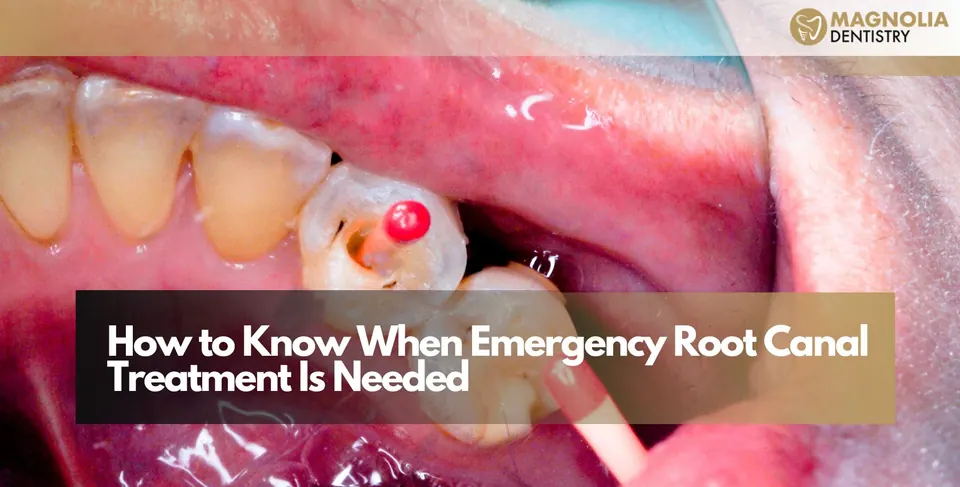
A sudden, sharp tooth pain that keeps you awake at night can be alarming, and in many cases, it signals something more serious than a simple cavity. When tooth decay or infection reaches the inner pulp of your tooth, it can cause excruciating pain and even threaten the surrounding bone and gum tissues. In these cases, an emergency root canal treatment is often the only way to save the tooth and relieve the pain immediately.
This detailed guide will explain everything you need to know about recognizing the signs you need a root canal urgently, how to tell the difference between a routine filling and a root canal, what to expect from same-day emergency root canal treatment, and how to protect your smile in the long run.
Do You Need an Emergency Root Canal? Quick Check
If you’re in pain right now, use this checklist to assess your situation:
Seek emergency dental care TODAY if you have:
- Severe, throbbing tooth pain that doesn’t respond to ibuprofen or acetaminophen
- Swelling in your face, jaw, or neck
- Fever or general feeling of illness accompanying tooth pain
- Pus discharge or foul taste from a tooth or gum
- A tooth that has darkened suddenly with pain
- Difficulty swallowing or breathing (go to emergency room immediately)
Schedule a same-day appointment if you have:
- Persistent sensitivity to hot or cold that lingers more than 30 seconds
- Pain that worsens when you bite down or apply pressure
- A pimple-like bump on the gum near a painful tooth
- Aching pain that radiates to your jaw or ear
Can it wait a few days? Possibly — if pain is mild, controlled by over-the-counter medication, and not accompanied by swelling or fever. However, dental infections can deteriorate rapidly without warning. If you are unsure, call your dentist for same-day guidance rather than waiting. For related signs of worsening dental infection, see our guide on signs of infection after root canal treatment.
Understanding What a Root Canal Treatment Is
Before identifying when it’s an emergency, it’s essential to understand what a root canal treatment actually involves.
A root canal is a dental procedure that removes the infected or inflamed pulp, the soft tissue inside your tooth that contains nerves and blood vessels. Once removed, the canal is cleaned, disinfected, and sealed with a filling material to prevent reinfection. This treatment saves the natural tooth and prevents the need for extraction.
Without timely intervention, the infection can spread beyond the tooth, affecting the jawbone or even other parts of the body. According to the American Association of Endodontists, root canal treatment has a 95% success rate and is one of the safest, most predictable procedures in modern dentistry. That’s why knowing the signs an emergency root canal is necessary is so important.
Signs an Emergency Root Canal Is Necessary
Recognizing the early warning signs of an infected tooth can make a big difference in saving your tooth and avoiding more complicated procedures later. The symptoms often start mildly and worsen rapidly if untreated.
Severe and Persistent Tooth Pain
If you experience throbbing or continuous tooth pain that doesn’t subside with over-the-counter medication, it may indicate pulp inflammation or infection. The pain might worsen when chewing or when exposed to hot or cold temperatures.
Sensitivity That Lingers
Mild sensitivity to temperature changes is normal. However, if the pain lingers for more than 30 seconds to a minute after drinking something hot or cold, the nerve inside your tooth may be compromised. This is one of the earliest warning signs that distinguishes a cavity from a root canal situation.
Swelling and Tenderness in the Gums
Swollen or tender gums near the painful tooth often signal an abscess, a pocket of pus caused by infection. This condition requires immediate emergency root canal treatment to prevent the infection from spreading to the jaw, neck, or bloodstream.
Darkening or Discoloration of the Tooth
A tooth that turns gray or dark brown could indicate internal decay or nerve damage. It’s a warning sign that the pulp inside the tooth is no longer healthy and may already be dead or dying.
Pimple or Bump on the Gums (Dental Fistula)
A gum pimple that oozes pus, called a dental fistula, indicates a dental abscess. Even if this bump drains and temporarily disappears, the infection remains active inside the tooth root and will return. This always requires professional treatment.
Facial Swelling or Pressure
Swelling in your cheek or jaw is a sign that the infection has moved beyond the tooth. In such cases, urgent dental attention is required to prevent systemic infection. If swelling is spreading to the neck or affecting your ability to swallow, go to an emergency room immediately, this represents a life-threatening situation.
Bad Taste or Odor in the Mouth
A persistent bad taste or foul smell may result from an abscess leaking pus. This symptom usually accompanies other warning signs like pain and swelling.
If you experience any of these symptoms, contact your dentist immediately. Prompt treatment can relieve pain, eliminate infection, and save your natural tooth.
How Urgent Is a Root Canal? Can You Wait?
One of the most common questions patients ask when experiencing tooth pain is whether they can wait before seeking treatment.
The honest answer: once a tooth needs a root canal, it should be treated within days — not weeks.
Here is how urgency scales with severity:
Treat today (dental emergency): Facial swelling, fever, difficulty swallowing, uncontrolled pain, or a dental abscess with spreading infection. These situations can deteriorate rapidly.
Treat within 24-48 hours: Severe pain, throbbing without swelling, persistent temperature sensitivity, pus visible at the gum line. Waiting increases infection spread and bone damage risk.
Treat within a week: Moderate pain managed by medication, early sensitivity, or a tooth your dentist has identified as needing root canal treatment but without active infection symptoms.
“Can I wait 6 months for a root canal?” This is rarely advisable. An infected tooth does not heal on its own. Antibiotics may temporarily reduce symptoms but will not eliminate the infection inside the tooth. Without treatment, the infection will likely worsen, spread to surrounding bone, and eventually result in tooth loss — making future treatment more complex and expensive. If cost is a barrier, discuss payment plans with your dentist rather than waiting.
What’s the Difference Between a Filling and a Root Canal?
Many patients confuse cavities with deeper infections, but knowing the difference between a filling and a root canal helps you understand when you might need emergency treatment.
Purpose of the treatment: A filling repairs minor decay confined to the outer layers of your tooth (enamel and dentin). If bacteria spread deeper — or if you develop an infected tooth filling — a root canal becomes necessary once infection reaches the pulp (inner nerve tissue).
Depth of decay: If the cavity is shallow, your dentist cleans out the decay and fills it with composite resin. When decay progresses deep into the tooth, the pulp becomes infected, requiring a root canal.
Level of pain: Tooth decay that only needs a filling typically causes mild discomfort or sensitivity. When the pulp is infected, the pain is severe, throbbing, and often radiates to the jaw or ear.
Appearance of the tooth: A tooth requiring a filling might show visible holes or mild discoloration. A tooth needing a root canal often darkens due to internal infection or blood vessel damage.
Procedure complexity: A filling is completed in one short visit. A root canal involves cleaning and sealing the inner chambers of the tooth, but despite its reputation, modern technology allows many emergency root canal procedures to be completed comfortably in a single visit.
For context on how tooth decay progresses to the point of needing a root canal, see our guide on how to treat tooth decay at the gum line.
When Tooth Pain Becomes a Dental Emergency
Not all tooth pain requires immediate intervention, but certain types indicate a dental emergency that cannot wait.
Intense, unrelenting pain: If the pain is so severe that you can’t sleep, eat, or focus, it’s time to call your dentist. Persistent pain signals an active infection pressing on the nerve.
Rapid swelling of the face or jaw: Swelling that spreads rapidly is a red flag. This could indicate that the infection is moving beyond the tooth into surrounding tissues.
Fever or general malaise: If your tooth pain is accompanied by fever or fatigue, the infection may be affecting your overall health and requires urgent care.
Difficulty swallowing or breathing: This indicates the infection has spread to the airway structures and requires emergency room care immediately, not just a dental appointment.
Ignoring these symptoms can lead to serious health risks. A dental infection, if left untreated, can spread to vital areas like the neck, brain, or bloodstream, a condition called Ludwig’s angina that can become life-threatening within hours. According to Mayo Clinic, uncontrolled dental infections represent one of the most common reasons for preventable hospitalization.
What Happens During an Emergency Root Canal Procedure
When you arrive for an emergency root canal, your dentist’s goal is to relieve pain and stop the infection immediately.
Examination and X-rays: The dentist evaluates your symptoms and takes X-rays to determine the extent of infection and the number of affected canals. Digital X-rays provide immediate results.
Local anesthesia: To ensure comfort, the area around the affected tooth is numbed. You’ll feel pressure but no pain during the procedure. If you have significant anxiety, sedation options are available.
Cleaning the infected canal: The dentist removes the inflamed or infected pulp tissue and disinfects the canals to eliminate bacteria. This is the step that provides immediate pain relief.
Filling and sealing: After cleaning, the canals are filled with a biocompatible material (gutta-percha) and sealed to prevent reinfection.
Crown placement (if needed): Depending on the tooth’s remaining strength, your dentist may place a temporary or permanent crown to restore function and protect the tooth structure. Many patients benefit from scheduling crown placement within a few weeks of the root canal. For details on what recovery looks like after root canal treatment, see our guide on how long it takes for a tooth to tighten after a root canal.
Same-Day Emergency Root Canal Treatment
In many modern dental practices, same-day emergency root canal treatment is now possible thanks to advanced technology.
How it works: Using digital X-rays, rotary endodontic tools, and modern sealing materials, your dentist can diagnose, clean, and seal the infected tooth in a single visit.
Who qualifies for same-day treatment? Most patients with a single infected tooth, a cooperative anatomy (no highly curved or unusual root canals), and no severe spreading infection that requires hospitalization first can receive same-day treatment. Your dentist will assess quickly after imaging.
Benefits of same-day root canal treatment:
- Immediate pain relief — the infected pulp is removed, relieving pressure and discomfort almost instantly. Most patients report significant improvement within hours of the procedure
- Prevents infection spread — timely treatment stops bacteria from reaching the jawbone or bloodstream
- Restores function quickly — you can resume normal activities within a day or two with minimal downtime
- Saves natural teeth — fast intervention prevents the need for extraction and preserves your natural smile
If your toothache strikes suddenly, don’t wait for an appointment days later. Seek same-day emergency root canal treatment to stop the infection before it spreads.
Risks of Delaying Emergency Root Canal Treatment
Postponing treatment for an infected tooth can lead to severe complications:
Tooth loss: The longer the infection remains untreated, the more likely it is to destroy tooth structure, making extraction unavoidable.
Abscess formation: A dental abscess, a painful, pus-filled swelling, can form and lead to jaw or facial swelling and spreading infection.
Bone loss: Untreated infections can erode the surrounding bone, complicating future restorative options like implants. Learn more about long-term side effects of tooth extraction to understand what becomes necessary when a tooth cannot be saved.
Systemic health issues: Severe dental infections can spread through the bloodstream, potentially leading to sepsis, heart problems, or sinus infections.
Timely root canal therapy prevents these risks and ensures long-term oral health.
Post-Root Canal Aftercare Tips
Proper aftercare following an emergency root canal speeds up recovery and prevents reinfection.
Manage pain and swelling: Mild soreness is normal for 24–48 hours. Use prescribed medication or over-the-counter ibuprofen as directed. Ibuprofen is preferable to acetaminophen for dental recovery as it also reduces inflammation.
Avoid hard or sticky foods: Stick to soft foods like yogurt, oatmeal, or mashed potatoes until your permanent crown is placed. The tooth is more fragile after root canal treatment.
Maintain oral hygiene: Brush gently around the treated area and rinse with a mild saltwater solution to keep the area clean. Continue flossing the rest of your mouth normally.
Schedule follow-up visits: Your dentist may want to check healing progress and place a permanent crown to strengthen the treated tooth. Don’t skip this appointment, the crown is a critical final step in protecting the treated tooth.
Prevention: How to Avoid an Emergency Root Canal
While root canals are effective, prevention is always better than cure.
Maintain regular dental checkups: Routine cleanings and exams allow your dentist to detect decay early before it reaches the pulp. Regular dental checkups every six months are the single most effective way to avoid dental emergencies.
Practice good oral hygiene: Brush twice daily, floss regularly, and use an antimicrobial mouthwash to minimize bacterial buildup. Our guide on removing plaque effectively at home covers the most evidence-based techniques.
Protect your teeth: Wear a mouthguard during sports and avoid using your teeth to open packages or bite hard objects.
Treat cavities promptly: Small cavities are easier and far cheaper to fix with fillings than waiting for them to worsen and require a root canal.
How to Find an Emergency Dentist for Root Canal Treatment Near You
When a dental emergency strikes, knowing where to go makes all the difference.
- Look for same-day availability: Call dental offices directly and ask whether they offer same-day emergency root canal appointments. Many offices hold appointment slots specifically for urgent cases.
- Search for 24/7 or after-hours clinics: If your emergency occurs on a weekend or late evening, search for urgent dental care clinics in your area. Most dental emergency facilities can at least manage your pain and begin infection control until a specialist can treat you.
- Verify endodontic capability: Not all general dentists perform root canals. Confirm that the provider has rotary endodontic tools and digital imaging before booking.
- In Burbank, CA: Magnolia Dentistry offers emergency dental evaluations and root canal treatment. Contact us directly for same-day appointment availability when you are experiencing severe tooth pain.
- If you cannot reach a dentist: An emergency room cannot perform root canals but can provide intravenous antibiotics and pain medication to temporarily control a spreading infection. Use this as a bridge until you can see a dentist the following day.
How Much Does an Emergency Root Canal Cost?
The cost of an emergency root canal varies depending on the tooth, location, and severity of infection:
| Tooth Type | Typical Cost (Without Insurance) |
|---|---|
| Front tooth (incisors) | $800 – $1,200 |
| Premolar | $900 – $1,400 |
| Molar | $1,200 – $1,800 |
With dental insurance: Most plans cover 50-80% of root canal costs after your deductible, significantly reducing out-of-pocket expense.
Additional considerations:
- Emergency or after-hours appointments may incur a surcharge of $50-150
- A crown placed after the root canal is a separate cost ($1,000-1,800) typically billed at a second appointment
- Many dental offices offer payment plans or financing (such as CareCredit) to make urgent care accessible
Remember: delaying treatment can lead to substantially higher costs due to more extensive procedures or tooth replacement needs later.
When to Contact Your Dentist Immediately
Seek immediate dental attention if you experience:
- Severe, throbbing tooth pain that doesn’t respond to painkillers
- Swelling in your face or neck
- Fever or general illness symptoms
- Pus discharge from your gums
- Darkening or discoloration of a painful tooth
- Difficulty swallowing or opening your mouth
Early intervention can make the difference between saving your natural tooth and requiring extraction with a more expensive replacement procedure.
Conclusion
Knowing the warning signs an emergency root canal is necessary can save you from severe pain, costly complications, and tooth loss. If you’re experiencing unrelenting pain, swelling, or sensitivity that won’t subside, don’t ignore the symptoms, seek immediate dental care.
Modern technology allows for same-day emergency root canal treatment, ensuring fast relief and long-term preservation of your natural smile. Acting quickly not only saves your tooth but also protects your overall health from further infection risks.
If you’re in pain or suspect an infection, contact a trusted Dentist in Burbank, CA for immediate evaluation and expert care.
Frequently Asked Questions
Do I need an emergency root canal?
If you have severe, persistent tooth pain that doesn’t respond to over-the-counter medication, visible swelling, a fever accompanying tooth pain, or a pimple-like bump on your gum near a painful tooth, you likely need emergency root canal treatment. If unsure, call your dentist for a same-day phone assessment, most offices can help you determine urgency over the phone.
How do I know if I need a root canal?
The clearest signs are: throbbing pain that persists without being triggered (especially at night), temperature sensitivity that lingers more than 30 seconds after the stimulus is removed, swollen gum near the tooth, darkening of the tooth, or a dental abscess (bump on the gum). A dental X-ray is the definitive diagnostic tool.
How urgent is a root canal?
When a tooth infection is confirmed, treatment should occur within days, not weeks. Dental infections can spread rapidly to surrounding bone, adjacent teeth, and in severe cases to the jaw and neck. Antibiotics can temporarily control symptoms but cannot eliminate the infection source inside the tooth.
Can I wait on a root canal?
Short-term (a few days), possibly, if pain is mild and controlled by medication. Waiting weeks or months is not advisable. Without treatment, the infection progresses, bone is lost, and the tooth becomes harder to save. Delaying also significantly increases the final cost of treatment.
Where can I get an emergency root canal?
You can receive emergency root canal treatment at a dental practice that offers same-day emergency appointments. Search for “emergency root canal near me” and call directly to confirm same-day availability. Magnolia Dentistry in Burbank, CA provides emergency dental evaluations.
Can an emergency room do a root canal?
No, hospitals typically do not perform root canals. They can provide pain medication and antibiotics to temporarily manage a spreading infection and will refer you to a dentist. Use emergency room care only as a bridge until you can see a dentist.
Will an emergency dentist do a root canal the same day?
Many modern dental offices offer same-day emergency root canal treatment using digital X-rays and rotary endodontic tools. Call ahead and specifically ask whether same-day endodontic treatment is available.
How much does an emergency root canal cost?
Costs range from $800 to $1,800 depending on which tooth is affected. Dental insurance typically covers 50-80% after your deductible. Emergency or after-hours fees may add $50-150. Payment plans and dental financing are available at most practices.
Is needing a root canal a dental emergency?
Yes, when infection causes severe pain, swelling, facial involvement, or abscess formation, it is classified as a dental emergency requiring prompt treatment. Even milder root canal situations should be treated within days to prevent the infection from worsening.
Why do I need an emergency root canal?
You need one when decay or trauma causes infection inside your tooth pulp, leading to pain, swelling, and potential abscess formation. The infected pulp cannot heal on its own and must be removed to eliminate the infection at its source.
What happens if I don’t get a root canal?
Without treatment, the infection spreads to surrounding bone, neighboring teeth, and soft tissues. The tooth will eventually need extraction. In severe cases, the infection can reach the jaw, neck, or bloodstream, becoming a serious systemic medical emergency.
Your next step
Talk with Dr. Massaband about your situation
Articles explain general options; an examination tells you what applies to you. Call the Burbank office or book online.
This article is general patient education and is not a diagnosis or a substitute for an in-person dental examination.