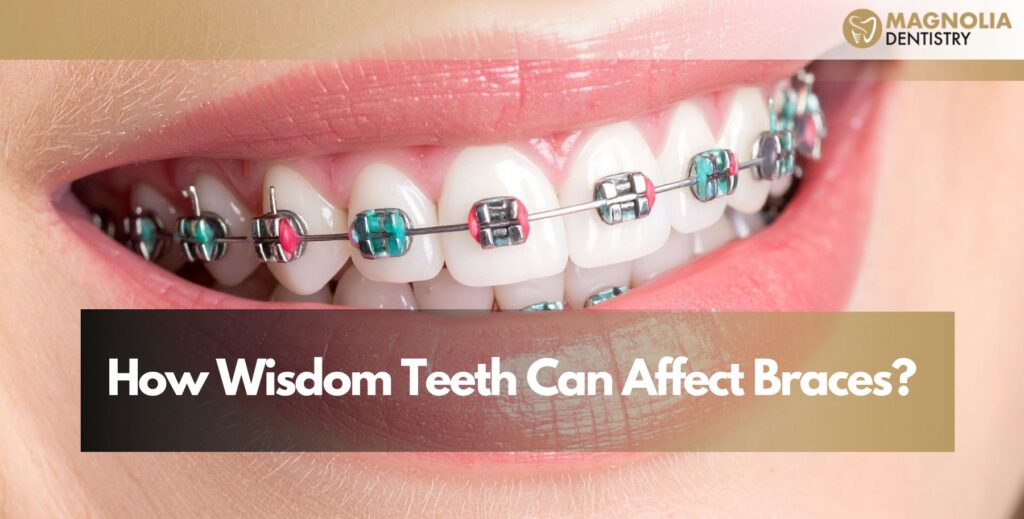
Wisdom teeth also known as third molars are the last set of teeth to develop, usually appearing between ages 17 and 25. Braces, on the other hand, work by slowly shifting teeth to create proper alignment, a stable bite, and an improved smile. Many patients wonder whether wisdom teeth can interfere with orthodontic treatment or cause teeth to shift after braces are removed. Understanding how these teeth behave is essential for maintaining long-term orthodontic results.
In this detailed guide, we explain how wisdom teeth can influence your braces journey, the potential risks they may create, when removal is recommended, and how to protect the results of your orthodontic treatment. This article also helps you recognize early symptoms of Wisdom Tooth Pain, crowding, or complications, giving you the clarity to make informed decisions.
Table of Contents
Do Wisdom Teeth Affect Teeth Alignment During or After Braces?
Most orthodontic patients assume that wisdom teeth create pressure and push the other teeth forward, leading to crowding. While this belief has been common for decades, modern dental research provides a more nuanced explanation.
Understanding the Growth Pattern of Wisdom Teeth
Wisdom teeth develop deep in the jaw and erupt only if enough space is available. Their growth path can vary greatly, sometimes straight, sometimes angled. When they lack space or grow sideways, they may contribute to pressure, discomfort, or shifting in nearby teeth.
Why Orthodontists Monitor Wisdom Teeth Closely
During braces treatment, orthodontists use X-rays to track the position of wisdom teeth. Even if they haven’t erupted yet, their angle or growth direction may predict whether they might interfere with alignment or cause future issues after braces.
When Wisdom Teeth Might Actually Influence Tooth Shifting
While wisdom teeth alone do not always cause crowding, they can contribute to subtle pressure in the posterior jaw, especially if impacted. This may affect the stability of orthodontic results or contribute to late shifting, particularly in the lower front teeth.
Can Wisdom Teeth Cause Braces to Move or Shift Teeth Out of Alignment?
Although crowding is usually due to natural changes in the jaw as we age, wisdom teeth may still play a role depending on their position and available space.
How Impacted Wisdom Teeth Create Pressure
Impacted wisdom teeth remain trapped under the gums or bone. As they try to erupt, they may push against surrounding tissues or molars. This pressure can indirectly influence alignment and cause discomfort that feels like shifting.
Influence on Retainers After Braces
Once braces are removed, retainers keep teeth in their proper position. If wisdom teeth push from beneath the gums, patients may feel tightness when wearing retainers, prompting an orthodontic evaluation.
Signs That Wisdom Teeth Are Causing Orthodontic Concerns
Pain when biting, discomfort around the back molars, subtle shifting, or gum inflammation may indicate that wisdom teeth are affecting oral stability. These symptoms often overlap with common Warning Signs of Wisdom Tooth Trouble, making early diagnosis essential.
Should Wisdom Teeth Be Removed Before Getting Braces?
In some cases, orthodontists may recommend removing wisdom teeth before or during braces treatment. However, extraction is not always necessary.
When Removal Before Braces Is Helpful
If X-rays show severe angulation, lack of space, or cyst formation, removing wisdom teeth early prevents complications during orthodontic treatment. This also eliminates sources of future discomfort or inflammation.
When You Can Keep Your Wisdom Teeth During Treatment
If wisdom teeth are developing normally, erupt straight, and have space in the jaw, they can often remain without impacting orthodontic outcomes. Monitoring continues throughout braces treatment.
Individual Evaluations Are Key to Safety
Each patient’s jaw shape, tooth size, and eruption pattern varies. Orthodontists and oral surgeons work together to evaluate whether early Wisdom Tooth Removal is necessary or whether monitoring is the best approach.
How Wisdom Teeth Affect Bite Stability and Long-Term Orthodontic Results
Even if wisdom teeth don’t directly push other teeth forward, they can still influence the stability of your bite and alignment. Because the jaw naturally changes as you age, wisdom teeth can contribute to pressure, inflammation, or crowding, especially if they erupt improperly.
Subtle Pressure Can Influence the Back Teeth
When wisdom teeth push against the gums or bone, patients often feel tightness in the molar region. This pressure may not move teeth dramatically, but it can affect how the molars fit together, which indirectly impacts the overall bite.
Impact on Post-Braces Alignment Over Time
Even after braces, natural shifting happens in almost every patient. Wisdom teeth can contribute to this shifting by creating space issues, especially when they are partially erupted or growing at an angle.
Why Retainers Are Essential for Life
Whether you keep or remove your wisdom teeth, long-term retainer use is crucial. Retainers prevent relapse and maintain your orthodontic results by holding teeth in their corrected positions.
Do Wisdom Teeth Always Need to Be Removed After Braces?
It is a common myth that wisdom teeth must be removed after braces. In reality, the decision depends entirely on the condition, position, and health of your third molars.
Healthy, Straight Wisdom Teeth May Not Require Extraction
If wisdom teeth erupt fully, align correctly, and don’t impact the bite, they can often remain in place. Regular dental monitoring ensures they stay healthy without affecting orthodontic work.
Problematic Wisdom Teeth Should Be Removed Promptly
If wisdom teeth are causing pain, swelling, infection, or shifting, extraction becomes necessary. In such cases, removing them protects both your teeth and your orthodontic results.
Orthodontists and Oral Surgeons Decide Together
Your dental team reviews panoramic X-rays, evaluates gum condition, and considers your orthodontic history to decide whether extraction is appropriate.
How Wisdom Tooth Extraction Impacts Braces and Alignment
Removing wisdom teeth can support orthodontic stability, especially when those teeth pose a risk for infection or misalignment.
Extraction Prevents Pressure on the Back Teeth
Removing problematic wisdom teeth eliminates the stress they place on molars. This reduces the risk of discomfort and prevents alignment changes that might occur due to angulation or impaction.
Helps Retainers Fit Properly
Some patients find that retainers feel tight or uncomfortable before wisdom tooth extraction. Once the problematic molars are removed, retainers often fit more comfortably and support the bite more effectively.
Reduces Risk of Post-Orthodontic Complications
Extraction helps prevent issues like infections, gum inflammation, and cyst formation—concerns that can disrupt a corrected bite and impact oral health long term.
Understanding Symptoms That Wisdom Teeth Are Interfering With Braces
Recognizing symptoms early helps protect your orthodontic investment and prevents larger oral health issues later.
Noticeable Tightness or Pressure Near the Molars
Many patients describe tightness when wisdom teeth begin to erupt. This sensation may be mistaken for teeth shifting after braces, even though the cause is emerging third molars.
Swelling in the Gums or Jaw Area
Inflamed gums near the back of the mouth can indicate that wisdom teeth are erupting or becoming impacted. Swelling often intensifies when orthodontic pressure is present.
Pain When Chewing or Biting
As wisdom teeth move, they may irritate nearby nerves or tissues. Chewing discomfort may be a sign that the molars are misaligned or pressing against other structures in the jaw.
Healing and Orthodontic Considerations After Wisdom Tooth Extraction
If extraction becomes necessary during or after braces, healing plays a major role in how quickly the patient returns to normal activities.
What to Expect After Wisdom Tooth Extraction
Most patients experience mild discomfort, swelling, or tightness in the jaw area. These symptoms typically decrease within a few days and improve significantly with proper care.
Orthodontic Treatment Can Continue Normally
In most cases, braces adjustments or retainer use can resume within a short period after extraction. Orthodontists coordinate with oral surgeons to ensure a smooth transition.
Proper Aftercare Protects the Bite and Healing Process
Patients must follow post-extraction instructions to avoid complications such as dry socket, irritation, or infection. Good aftercare keeps orthodontic progress stable.
What Happens If Wisdom Teeth Are Not Removed During Orthodontic Treatment?
Not all wisdom teeth require extraction, but when they do and the procedure is postponed, complications may arise. These issues can affect both the stability of your orthodontic results and your overall oral health.
Impacted Wisdom Teeth Can Lead to Infection
When wisdom teeth remain trapped under the gums, bacteria can accumulate and cause infection. This infection may spread to nearby tissues, making orthodontic treatment uncomfortable and increasing the risk of long-term gum problems.
They May Contribute to Crowding or Bite Problems
Even though wisdom teeth don’t directly push other teeth into misalignment, their presence can contribute to shifting by creating tension in the jaw. When erupting at improper angles, they may influence your bite and lead to subtle crowding.
Risk of Damage to Nearby Teeth
Impacted or misaligned wisdom teeth can press against second molars. Over time, this pressure may weaken the enamel or cause cavities, interfering with the stability achieved through braces.
Can Wisdom Teeth Affect Orthodontic Retention After Braces?
Retention refers to the phase after braces when patients wear retainers to maintain their new alignment. Wisdom teeth, depending on their condition, can influence this stage.
Retainers May Feel Tight if Wisdom Teeth Are Shifting
As wisdom teeth grow or attempt to erupt, they may cause mild pressure in the jaw. Retainers help maintain alignment, but unexpected pressure may cause them to feel tighter or more uncomfortable.
Continued Monitoring Is Essential After Braces
Dentists periodically take X-rays to check the development of wisdom teeth. Tracking their movement ensures they do not compromise orthodontic progress or cause bite instability.
Removal May Be Recommended If Retainers No Longer Fit Properly
If retainers begin fitting differently or cause discomfort, wisdom teeth may be partly responsible. Orthodontists often recommend removal to prevent complications and preserve results.
How Orthodontists Predict Whether Wisdom Teeth Will Be a Problem
Thanks to advanced diagnostic tools, orthodontists can predict the likelihood of wisdom-tooth-related interference even before symptoms develop.
Panoramic X-Rays Reveal Position and Angulation
These images show whether wisdom teeth are developing straight, angled, or impacted. Early imaging helps dentists decide whether extraction is necessary or monitoring is sufficient.
Growth Pattern Evaluation Helps Plan the Timeline
Orthodontists assess how wisdom teeth align with jaw size, spacing, and eruption patterns. A mismatch often signals potential issues that may affect orthodontic stability.
Clinical Symptoms Influence Decision-Making
Signs like swelling, discomfort, gum inflammation, or jaw tightness help determine the urgency of addressing wisdom teeth before or after braces.
Benefits of Removing Wisdom Teeth for Orthodontic Stability
While removal isn’t mandatory for all orthodontic patients, many benefit from extraction especially when crowding, infection, or misalignment risks are present.
Reduces Risk of Alignment Changes Over Time
Extracting problematic wisdom teeth eliminates one of the potential contributors to shifting. This helps patients enjoy long-term stability after braces.
Prevents Gum Issues and Infections
Wisdom teeth are difficult to clean, often leading to gum irritation or infection. Removal reduces bacterial buildup and protects the surrounding tissues.
Improves Space and Comfort in the Jaw
Without the added pressure from wisdom teeth, patients often experience increased comfort, especially when wearing orthodontic retainers.
Understanding the Healing Process After Wisdom Tooth Extraction
When removal is necessary, healing plays a crucial role in maintaining orthodontic progress and long-term oral health.
Typical Healing Timeline and Patient Expectations
Most individuals experience mild soreness, swelling, or stiffness after extraction. The Recovery Time After Wisdom Tooth Extraction varies but generally improves after a few days with proper care.
Common Side Effects to Expect
Patients may notice temporary swelling, bleeding, or mild discomfort. These are normal Side Effects of a Tooth Extraction, and they typically resolve with medication and rest.
Protecting Orthodontic Results During Recovery
Patients should wear retainers only when approved by their orthodontist following extraction. Gentle care prevents unnecessary strain on the healing tissues.
How to Care for Braces or Retainers While Managing Wisdom Tooth Discomfort
Combining orthodontic appliances with erupting wisdom teeth can feel challenging, but proper care helps reduce discomfort and maintain oral stability.
Maintaining Oral Hygiene Around the Eruption Site
Gentle brushing, saltwater rinses, and avoiding harsh pressure near the erupting area help maintain hygiene without irritation. Cleanliness prevents infection while retaining orthodontic protection.
Using Pain Management Techniques Safely
Over-the-counter pain relievers, cold compresses, and soft foods help relieve discomfort associated with wisdom teeth. These methods are safe and effective when used as directed by a dental professional.
When to Contact Your Dentist or Orthodontist
If patients experience persistent swelling, intense discomfort, or difficulty opening the mouth, they should seek care immediately. Early evaluation prevents complications that affect both healing and orthodontic outcomes.
How Wisdom Tooth Pain Interacts With Orthodontic Pressure
Braces apply controlled force to move teeth, while erupting wisdom teeth exert biological pressure of their own. When these two forces overlap, discomfort may increase.
Differentiating Braces Pressure From Wisdom Tooth Pain
Orthodontic discomfort typically feels like soreness or tightness after adjustments. In contrast, Wisdom Tooth Pain often appears suddenly and may be accompanied by swelling or difficulty chewing.
When Combined Discomfort Should Be Evaluated
If braces hurt more than usual or discomfort lasts longer than a few days, erupting wisdom teeth may be influencing the sensation. Monitoring both systems is crucial.
How Dentists Reduce Discomfort Safely
Orthodontists may adjust wires or recommend pain management strategies. Oral surgeons may schedule extraction if symptoms worsen or begin impacting alignment.
When Wisdom Teeth Cause Problems During Orthodontic Treatment
Some patients experience complications early, making prompt attention important to prevent delays in orthodontic progress.
Gum Inflammation and Tissue Irritation
When wisdom teeth are partially erupted, bacteria easily accumulate under the gums. This inflammation may create discomfort or interfere with braces adjustments.
Cysts and Infection Risks
If wisdom teeth remain impacted for long periods, cysts may form around the tooth. This can damage the bone and nearby teeth, leading to long-term complications.
Shifting and Bite Imbalance
Subtle shifting from impacted wisdom teeth can lead to bite inconsistencies, affecting the progress achieved with braces.
Common Orthodontic Myths About Wisdom Teeth
Patients often hear conflicting advice about wisdom teeth and braces. Understanding the facts helps prevent confusion and anxiety.
Myth: Wisdom Teeth Always Cause Crowding
Crowding results from multiple factors, including natural jaw changes. Wisdom teeth may contribute to pressure but are rarely the sole cause of shifting.
Myth: Removal Is Always Necessary Before Braces
Extraction is recommended only when diagnostic imaging shows potential complications. Many patients complete braces successfully with their wisdom teeth intact.
Myth: Braces Will Prevent Wisdom Tooth Problems
Braces correct alignment but cannot prevent impaction, infection, or cysts. Only professional evaluation determines the best course of action.
Conclusion
Wisdom teeth can influence orthodontic health in several ways through pressure, discomfort, gum irritation, or changes in bite stability. While they do not always cause crowding or alignment issues, their position and growth pattern determine whether they pose a risk to braces or retainers. Prompt monitoring, accurate diagnosis, and early intervention help protect your orthodontic investment and long-term oral health.
For expert evaluation and personalized care, schedule an appointment with a trusted Dentist in Burbank, CA.
Frequently Asked Questions About Wisdom Teeth & Braces
Do wisdom teeth always need to be removed before getting braces?
No. Removal is recommended only when wisdom teeth are impacted, causing discomfort, or likely to interfere with orthodontic progress.
Can wisdom teeth shift my teeth after braces?
They may contribute to pressure, but natural jaw changes are usually the main cause of shifting. Wearing your retainer long term prevents relapse.
How do I know if my wisdom teeth are causing orthodontic problems?
Symptoms include gum swelling, tightness near the molars, difficulty chewing, or discomfort when wearing retainers.
Is extraction painful?
Modern anesthesia and techniques make extraction comfortable. Mild swelling and common Side Effects of a Tooth Extraction may appear afterward but typically resolve quickly.
How long is healing after removal?
Most people see significant improvement within a few days. The exact Recovery Time After Wisdom Tooth Extraction depends on the complexity of the removal.