Root canals are among the most common dental procedures worldwide, yet many patients are unsure which type of dentist is trained to perform them. Understanding who provides root canal therapy, when to see a specialist, and how emergency symptoms develop helps you make informed decisions about your oral health. This detailed guide explains the roles of general dentists, endodontists, and emergency providers, giving you clear insight into the process, qualifications, treatment expectations, and global standards of care.
Table of Contents
Understanding the Purpose of Root Canal Treatment
Root canal therapy is designed to save a tooth affected by deep decay, infection, or nerve damage. By treating the pulp chamber inside the tooth, dentists eliminate harmful bacteria and prevent tooth loss. This procedure is crucial when the nerve becomes infected or inflamed and cannot heal on its own. Many types of dental professionals perform root canals, each offering different levels of expertise, technique, and technology based on the complexity of the case.
Why Root Canals Are Needed
Root canals become necessary when decay reaches the nerve, trauma cracks a tooth, or repeated dental work irritates the pulp. Without treatment, infection spreads into the bone, leading to swelling, pain, and eventual tooth loss. Root canals save millions of teeth worldwide each year.
Who Determines If You Need a Root Canal
General dentists typically diagnose the need for a root canal using X-rays, symptoms, and clinical testing. If your case is straightforward, they may complete the treatment themselves. In advanced or complex cases, they refer you to a specialist called an endodontist.
How Root Canal Treatment Saves Teeth
During a root canal, the infected nerve tissue is removed, the canals are disinfected, and the tooth is sealed to prevent reinfection. This stops pain, removes bacteria, and preserves natural tooth structure, a key component of lifelong dental health.
General Dentists and Their Role in Root Canal Therapy
General dentists are fully qualified to diagnose and treat routine root canal cases. They often perform hundreds of root canals throughout their careers and manage most non-complex cases efficiently. For many patients, their general dentist is the first and only provider needed for root canal therapy, offering familiarity, convenience, and comprehensive follow-up care.
Training General Dentists Receive
General dentists receive root canal training in dental school, learning anatomy, instrumentation, and infection control. Continuing education strengthens their skills and allows them to treat many types of cases confidently.
Types of Cases They Typically Handle
General dentists perform root canals on teeth with straight canals, minimal infection, and predictable anatomy. Incisors and premolars often fall into the category of manageable cases for general providers.
When They Refer to Specialists
If a tooth has curved canals, severe infection, or prior complications, your general dentist may recommend an endodontist. Referral ensures you receive the level of care best suited to your case’s complexity.
Endodontists: The Specialists in Root Canal Procedures
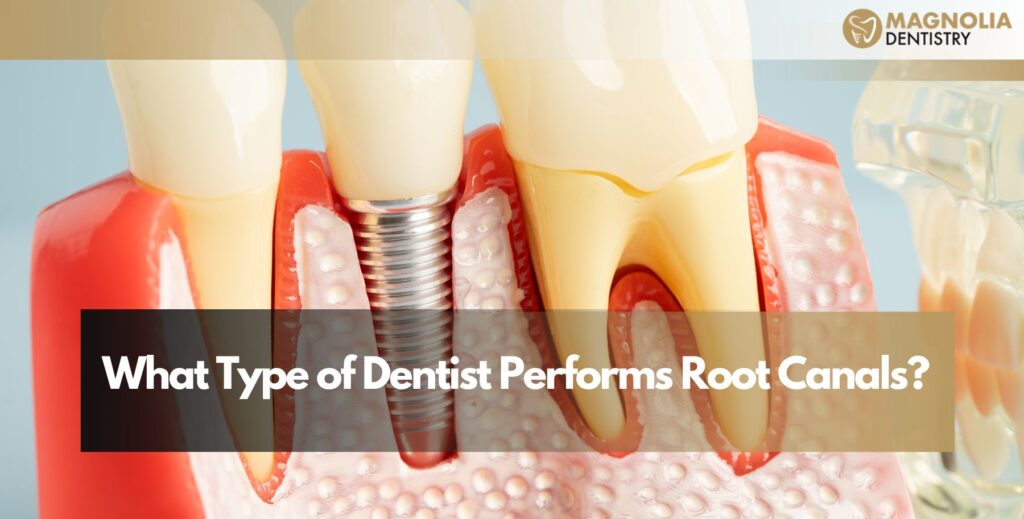
Endodontists are dentists who complete two to three additional years of training in root canal techniques, microsurgery, and advanced diagnostic methods. They are recognized worldwide as the experts in treating tooth pain, nerve infections, and complex dental anatomy. Their specialized tools and technology allow them to handle challenging or previously failed cases with exceptional precision.
Why Endodontists Are Considered Experts
Endodontists perform root canal therapy daily, giving them unmatched experience in navigating intricate canal systems and diagnosing unusual symptoms. Their advanced equipment, including microscopes and digital imaging, increases treatment success rates.
Cases Best Treated by Endodontists
Severe infection, calcified canals, retreatment of previous root canals, and cracked teeth are typically referred to endodontists. They also perform apicoectomy surgery if the infection reaches the bone.
Technology Used in Endodontic Care
Endodontists rely on 3D imaging, ultrasonic instruments, and operating microscopes to treat teeth with exceptional accuracy. These tools reduce treatment time and increase the likelihood of long-term success.
Can an Emergency Dentist Perform Root Canals?
Yes. Many emergency dental providers diagnose and begin root canal treatment, especially when patients experience sudden swelling, severe pain, or nerve infection. In urgent situations, an emergency dentist stabilizes the tooth and may complete the entire procedure. In some cases, they perform only the initial step removing the infected pulp and schedule patients with a general dentist or specialist afterward.
When Emergency Dentists Step In
Patients with unbearable pain, swelling, or abscesses seek immediate relief. Emergency dentists provide diagnostic imaging, begin treatment, and offer pain control to stop the infection from spreading.
Complexity of Emergency Cases
Because emergencies often involve advanced infections, curved canals, or heavy inflammation, some cases require referral to endodontists for completion. Initial treatment from an emergency dentist ensures rapid relief.
Why Quick Action Matters
Delaying treatment can allow bacteria to advance deeper into bone tissue. Prompt intervention from an emergency provider improves outcomes and prevents complications. This is why Emergency Dentist Perform Root Canals remains a highly searched topic globally.
Signs an Emergency Root Canal Is Needed
Recognizing urgent symptoms helps prevent tooth loss, bone infection, and severe pain. Root canal infections rarely improve on their own, so early diagnosis is essential. When bacteria overwhelm the pulp, symptoms escalate rapidly and require immediate evaluation.
Severe Pain and Sensitivity
Intense, throbbing pain when biting or consuming hot/cold foods indicates nerve inflammation or infection. Pain that wakes you at night is one of the strongest indicators of urgent treatment.
Swelling or Abscess Formation
Facial swelling, jaw tenderness, or pus discharge signals a spreading infection. Abscesses can become dangerous if bacteria move into surrounding bone or bloodstream.
Persistent Gum Pimples
A gum boil or pimple near the tooth suggests recurring infection draining through the gum. This is one of the most common Signs of an Emergency Root Canal and should not be ignored.
How Root Canal Training Differs Between Dentists and Endodontists
Although all dentists receive foundational endodontic training, endodontists undergo significantly more education and clinical exposure. Understanding these differences helps patients appreciate why referrals occur and when specialist care improves treatment outcomes.
Education and Advanced Specialization
Endodontists complete residency programs focused on diagnosing pain, treating infections, and managing complex roots. They perform thousands of root canals during training alone.
Technical Skill and Equipment Differences
Specialists use high-magnification microscopes, advanced irrigation systems, and 3D scans. These tools allow them to treat complex or previously failed cases with superior accuracy.
Why Patients Benefit From Specialist Care
Referrals ensure the highest success rate, preserving the natural tooth and reducing the chances of retreatment. Specialists significantly reduce procedural risks.
When a General Dentist Is Enough for Root Canal Treatment
Not every case requires a specialist. Many simple or moderate infections respond perfectly to treatment provided by a general dentist. Patients often prefer their general dentist due to familiarity, convenience, and comprehensive continuing care.
Simple Root Anatomy
Teeth with single canals, straight roots, and minimal infection often respond well to treatment from a general provider. These cases usually require fewer visits.
Predictable Treatment Outcomes
If the tooth’s structure appears uncomplicated on X-rays, your general dentist can typically achieve excellent results with standard tools.
Follow-Up Care Advantages
Your general dentist also manages crowns, fillings, and routine oral health checkups. Having one provider oversee the entire process improves continuity of care.
When a Tooth Requires an Endodontist From the Start
Some cases present challenges even before treatment begins, making referral to an endodontist the safest choice. Specialists offer advanced tools and training to manage anatomical or structural complexities.
Teeth With Curved or Narrow Canals
Some molars have tight or severely curved canals that general dentists cannot access fully. Specialists navigate these shapes easily due to experience and enhanced visibility equipment.
Urgent Infections Spreading into Bone
If infection has reached the bone or caused significant swelling, endodontists provide targeted antibiotic therapy and advanced cleaning strategies.
Retreatment Cases After Failed Procedures
If a previous root canal fails, an endodontist handles retreatment or apicoectomy surgery. Specialists are trained to correct complications that general dentists cannot address alone.
Understanding Root Canal Costs and Factors That Affect Pricing
Root canal fees vary across the U.S. and globally, depending on complexity, specialist involvement, and tooth type. Molars cost more due to multiple canals, while front teeth are generally less expensive. Additional treatments such as crowns or sedation influence final costs as well.
How Tooth Location Affects Price
Molars contain multiple canals, making treatment longer and more labor-intensive. Incisors are simpler and therefore more economical to treat. This variance influences the final Root Canal Cost, a widely searched keyword.
Specialist Fees vs. General Dentist Fees
Endodontists charge more due to specialized equipment, advanced training, and higher treatment success rates. Many patients consider the additional investment worthwhile.
Insurance Coverage and Payment Options
Most dental insurance plans cover root canal therapy partially. Many offices offer financing plans to make treatment accessible to all patients.
Technology Used in Modern Root Canal Therapy
Dental technology has revolutionized root canal success rates, making the procedure faster and more predictable than ever. Across the world, clinics use advanced digital tools to diagnose infections accurately and treat them with precision.
Digital X-Rays and 3D CBCT Imaging
These tools allow dentists to visualize canal structure, detect hidden infection, and plan treatment effectively. Specialists rely heavily on these technologies to ensure accurate results.
Operating Microscopes
Magnification improves visibility during treatment, allowing removal of tiny debris and locating extra canals that might be invisible to the naked eye.
Ultrasonic and Laser Instruments
These devices disinfect canals more efficiently, reducing bacteria and increasing long-term success rates of the procedure.
Root Canal Success Rates and Long-Term Outcomes
Root canals are one of dentistry’s most successful and predictable treatments. With proper care, treated teeth last decades or even a lifetime. Understanding long-term expectations helps patients feel confident in preserving natural teeth.
Longevity of Root Canal Treated Teeth
With proper hygiene and follow-up care, most root-canal-treated teeth function naturally for 15–20 years or more. Many never require retreatment.
Importance of Proper Restoration
A crown or filling seals the tooth, protecting it from reinfection. Without proper restoration, bacteria can reenter the tooth.
Role of Good Oral Hygiene
Brushing, flossing, and regular dental visits ensure treated teeth remain strong and healthy well into the future.
Conclusion
Root canal therapy can be performed by general dentists, endodontists, and emergency dentists depending on the complexity of your case and the urgency of your symptoms. General dentists manage routine root canals, while endodontists handle advanced infections or challenging anatomy. Emergency providers offer fast relief when severe symptoms arise. With modern technology and expert training, root canal treatment remains one of the safest, most effective dental procedures available. For further guidance or personalized care, always consult a trusted Dentist near me in Burbank, CA.