When searching for a restorative dentist in Burbank, CA, understanding what services they provide and how they can transform your oral health is essential for making informed decisions about your dental care. Restorative dentistry focuses on repairing, replacing, and restoring damaged or missing teeth to bring back both function and aesthetics to your smile. Whether you’re dealing with cavities, broken teeth, missing teeth, or more complex dental issues, a skilled restorative dentist can help you regain confidence in your smile and improve your overall quality of life. This comprehensive guide explores what you can expect when visiting a restorative dental practice, the various treatment options available, and how these procedures can benefit your long-term oral health and well-being.
Table of Contents
Understanding Restorative Dentistry Services
Restorative dental care encompasses a wide range of treatments designed to repair damaged teeth and replace missing ones, restoring your mouth to optimal health and function.
Comprehensive Dental Examinations
Your first visit to a restorative dentist begins with a thorough examination of your entire oral cavity, including teeth, gums, jaw, and bite alignment. The dentist will evaluate existing dental work, identify areas of decay, assess gum health, and check for signs of teeth grinding or jaw problems. Digital x-rays provide detailed images of tooth structure below the gum line, revealing hidden cavities, bone loss, and root problems invisible during visual examination. Advanced diagnostic tools like intraoral cameras allow you to see what the dentist sees, helping you understand your dental conditions better. This comprehensive assessment forms the foundation for creating your personalized treatment plan.
Custom Treatment Planning
Based on your examination findings, your Burbank dentist develops a customized restorative treatment plan that addresses your specific needs, goals, and budget. The plan prioritizes urgent issues requiring immediate attention while outlining recommended treatments for long-term oral health. Your dentist explains each proposed procedure, why it’s necessary, what alternatives exist, and what results you can expect. Treatment timelines are discussed so you understand how many appointments will be needed and the duration of your overall care. This collaborative approach ensures you’re an active participant in decisions about your dental health.
Advanced Technology and Techniques
Modern restorative dentistry utilizes cutting-edge technology that makes treatments more precise, comfortable, and efficient than ever before. Digital impressions eliminate messy traditional molds, creating accurate 3D models of your teeth for crowns, bridges, and other restorations. Computer-aided design and manufacturing (CAD/CAM) systems can create custom restorations in a single visit. Laser dentistry offers minimally invasive treatment options for soft tissue procedures with faster healing times. Cone beam CT scans provide three-dimensional imaging for complex cases requiring detailed anatomical information for implant placement or root canal therapy.
Cosmetic and Functional Improvements
Restorative procedures address both the functional and aesthetic aspects of your smile, recognizing that appearance matters as much as function for many patients. Modern materials like tooth-colored composite fillings and all-ceramic crowns blend seamlessly with your natural teeth, making restorations virtually invisible. The goal is not just to fix problems but to create results that look natural and enhance your overall facial appearance. Bite alignment and jaw function are carefully considered to ensure restorations work harmoniously with your remaining natural teeth. This dual focus on function and beauty sets contemporary restorative dentistry apart from purely functional repairs.
Long-Term Oral Health Focus
A quality restorative dentist in Burbank doesn’t just fix immediate problems but also develops strategies to prevent future dental issues. Education about proper oral hygiene, dietary factors affecting dental health, and habits that damage teeth is integral to your care. Preventive measures like fluoride treatments, sealants, and custom nightguards protect your natural teeth and restorations. Regular maintenance appointments monitor the condition of restorations and catch problems early before they become serious. This proactive approach saves you time, money, and discomfort while preserving your natural teeth as long as possible.
Common Restorative Dental Procedures
Restorative dentistry offers numerous treatment options to address various dental problems, from simple cavities to complete smile reconstruction for extensively damaged mouths.
Dental Fillings for Cavity Treatment
Tooth fillings are the most common restorative procedure, used to repair teeth damaged by decay and restore their structure and function. After removing the decayed portion of the tooth, your dentist fills the cavity with composite resin, amalgam, gold, or porcelain material. Modern tooth-colored fillings made from composite resin are popular because they match your natural tooth color and bond directly to tooth structure. The procedure typically takes 30-60 minutes per tooth and can be completed in one appointment. Fillings prevent decay from progressing deeper into the tooth and restore normal chewing function.
Dental Crowns to Restore Damaged Teeth
Dental crowns are custom-made caps that completely cover a damaged tooth, protecting it from further deterioration while restoring its shape, size, and strength. Crowns are recommended for teeth with large fillings, significant decay, cracks, or those that have undergone root canal treatment. The process involves reshaping the tooth, taking impressions, and placing a temporary crown while the permanent restoration is fabricated. Modern porcelain crowns and zirconia crowns offer exceptional strength and natural appearance. Crown placement typically requires two appointments, though same-day crowns are available with CAD/CAM technology in some practices.
Dental Bridges for Missing Teeth
Dental bridges replace one or more missing teeth by anchoring artificial teeth to adjacent natural teeth or dental implants. Traditional bridges use crowns on neighboring teeth to support the replacement tooth (pontic) in between. The procedure requires preparing the adjacent teeth, taking impressions, and fabricating a custom bridge that matches your natural teeth. Fixed bridges are permanently cemented in place and function like natural teeth for eating and speaking. Bridges prevent remaining teeth from shifting out of position and restore your complete smile. The entire process typically takes two to three appointments over several weeks.
Root Canal Therapy to Save Infected Teeth
Root canal treatment saves severely decayed or infected teeth that would otherwise require extraction, preserving your natural tooth structure. The procedure involves removing infected or damaged pulp tissue from inside the tooth, cleaning and disinfecting the root canals, and sealing them with a rubber-like material. Despite its intimidating reputation, modern root canal therapy is comfortable with local anesthesia and often causes less discomfort than the toothache it relieves. A crown is typically placed afterward to protect the treated tooth. Saving your natural tooth through root canal therapy maintains proper bite alignment and prevents bone loss.
Dental Implants for Permanent Tooth Replacement
Dental implants are the gold standard for replacing missing teeth, providing permanent, stable replacements that look, feel, and function like natural teeth. A titanium post is surgically placed into the jawbone, where it fuses with the bone over several months through a process called osseointegration. Once healed, a custom crown is attached to the implant, completing the restoration. Tooth implants prevent bone loss that occurs after tooth loss and don’t require modification of adjacent healthy teeth like bridges do. Single implants, implant-supported bridges, and implant-retained dentures offer solutions for various degrees of tooth loss.
What Makes Burbank Restorative Dentists Unique
Choosing a restorative dentist offers distinct advantages related to the area’s commitment to advanced dental care and patient-centered service.
Access to Leading-Edge Dental Technology
Burbank dental practices invest heavily in the latest dental technology, ensuring patients receive the most advanced care available. State-of-the-art equipment includes digital radiography that reduces radiation exposure by up to 90% compared to traditional x-rays. 3D imaging technology provides comprehensive views for complex restorative cases requiring precise planning. Laser dentistry options minimize discomfort and healing time for various procedures. Same-day crowns fabricated using CAD/CAM systems eliminate the need for temporary restorations and multiple appointments. This technological sophistication translates to more accurate diagnoses, efficient treatments, and superior results.
Experienced and Specialized Dental Teams
Restorative dentists in Burbank typically have extensive training and experience in complex dental restoration procedures. Many have completed advanced education beyond dental school in areas like prosthodontics, implantology, or cosmetic dentistry. Dental teams include skilled hygienists, assistants, and office staff who work together seamlessly to provide comprehensive care. Continuing education ensures your dental team stays current with the latest techniques and materials. This depth of expertise means even complicated cases can be handled confidently, with predictable, long-lasting results.
Comprehensive Care Under One Roof
Many Burbank dental offices offer a full spectrum of restorative services in one convenient location, eliminating the need for multiple specialist referrals. From basic fillings to complex full mouth reconstruction, you can receive all necessary treatments from a familiar team. In-house dental laboratories accelerate the fabrication of crowns, bridges, and dentures. Sedation dentistry options accommodate anxious patients or those undergoing lengthy procedures. This integrated approach streamlines your care, saves time, and ensures consistent quality across all aspects of your treatment.
Personalized Patient Care and Communication
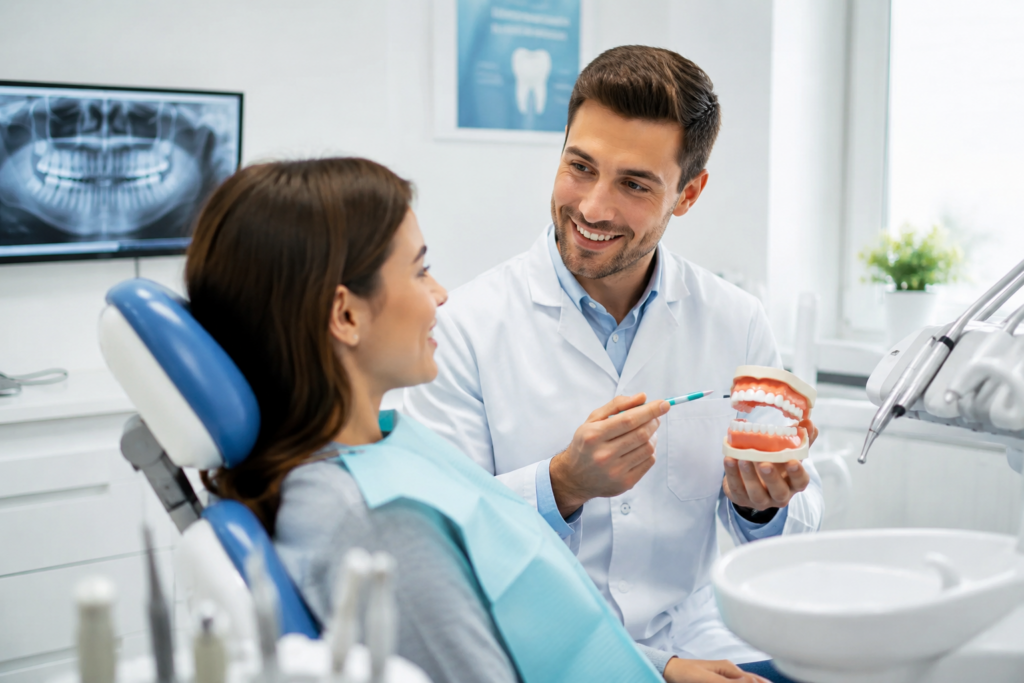
Patient-centered care distinguishes top Burbank restorative dentists, with emphasis on understanding your unique needs, concerns, and goals. Treatment plans are explained clearly in language you understand, with visual aids and models illustrating proposed procedures. Financial options including payment plans and insurance coordination are discussed transparently before treatment begins. Your questions are answered patiently, and you never feel rushed during appointments. This personalized attention creates trust and confidence, making even extensive restorative work feel manageable and stress-free.
Convenient Location and Flexible Scheduling
Practicing in Burbank, CA means convenient access for local residents and those commuting from nearby communities. Flexible appointment scheduling accommodates working professionals and busy families with evening and weekend availability. Emergency dental services ensure urgent problems receive prompt attention. Ample parking and accessible facilities make visits comfortable for patients with mobility concerns. The convenient location combined with comprehensive services means less time away from work and family while receiving the dental care you need.
The Full Mouth Restoration Process
Full mouth reconstruction represents the most comprehensive restorative approach, addressing multiple dental problems simultaneously to completely restore oral health and function.
Initial Consultation and Evaluation
The full mouth restoration journey begins with an extensive consultation where your dentist evaluates the overall condition of your teeth, gums, jaw joints, and bite. Comprehensive imaging including panoramic x-rays and 3D scans reveals the full scope of dental damage and bone loss. Bite analysis using articulating paper and digital technology identifies alignment problems contributing to tooth wear. Your medical history, cosmetic concerns, and functional complaints are thoroughly discussed. This detailed evaluation can take 60-90 minutes as the dentist gathers all information needed to design your complete treatment plan.
Creating a Comprehensive Treatment Plan
Based on diagnostic findings, your restorative dentist develops a detailed roadmap addressing all your dental issues in a logical sequence. The plan might include extractions, dental implants, crowns, bridges, gum therapy, and bite correction. Procedures are prioritized to address urgent problems first while building toward the final result. Treatment phases are outlined with timeframes so you understand the commitment involved. Cost estimates with various financing options are presented clearly. You’ll see before-and-after photos of similar cases to visualize potential outcomes.
Phased Treatment Implementation
Full mouth reconstruction typically occurs in phases over several months, allowing time for healing between major procedures. Initial phase might involve extractions and gum disease treatment to establish a healthy foundation. Implant placement follows, with 3-6 months allowed for osseointegration. Temporary restorations provide function and aesthetics during healing periods. Final restorations including crowns, bridges, or implant-supported prosthetics are placed once healing is complete. This phased approach makes extensive work more manageable physically, emotionally, and financially.
Temporary Restorations During Treatment
You’ll never be without teeth during your mouth restoration process, as temporary crowns, bridges, or dentures maintain appearance and function. These provisional restorations protect healing tissues and allow you to test-drive your new bite before final restorations are made. Temporaries can be adjusted based on your feedback about comfort and aesthetics. They serve as prototypes, helping your dentist refine the design of permanent restorations. While not as strong as final restorations, modern temporary materials are quite durable and natural-looking.
Final Restoration and Follow-Up Care
The culmination of your treatment involves placing permanent dental restorations that have been carefully designed and fabricated to precise specifications. Final crowns, bridges, or dentures are checked for fit, function, bite alignment, and appearance before permanent cementation. Your dentist makes any necessary adjustments to ensure complete comfort and proper function. Detailed instructions for caring for your new restorations are provided. Regular follow-up appointments monitor healing and restoration longevity, with professional cleanings scheduled every 3-6 months to maintain your investment in your smile.
Cost Considerations and Insurance Coverage
Understanding the financial aspects of restorative dental treatment helps you plan for care and make informed decisions about your oral health investments.
Factors Affecting Treatment Costs
Restorative dentistry costs vary widely depending on the complexity and extent of treatment needed, materials used, and geographic location. Simple dental fillings might cost $150-$400, while crowns range from $800-$2,500. Dental implants including the post, abutment, and crown typically cost $3,000-$6,000 per tooth. Full mouth restoration can range from $20,000 to $80,000 or more depending on the number of teeth involved and procedures required. High-quality materials and advanced technology often cost more initially but provide superior aesthetics, durability, and longevity. Your Burbank dentist provides detailed cost estimates before beginning treatment.
Dental Insurance and Coverage
Most dental insurance plans cover a portion of restorative procedures, though coverage limits and percentages vary by plan. Basic procedures like fillings are typically covered at 70-80%, while major procedures like crowns may be covered at 50%. Annual maximum benefits usually range from $1,000-$2,000, which may not cover extensive restorative work. Many plans have waiting periods for major procedures if you’re newly insured. Your dental office will verify your benefits and file insurance claims on your behalf. Understanding your coverage helps you anticipate out-of-pocket expenses.
Flexible Financing Options
To make restorative dentistry affordable, many Burbank practices offer payment plans and financing options through third-party lenders. CareCredit and similar healthcare financing companies provide low-interest or interest-free payment plans for qualified applicants. In-house payment arrangements allow you to spread costs over several months. Some practices offer discounts for paying in full upfront or for treatment packages. Financing allows you to proceed with necessary care without delay, protecting your oral health while managing your budget. Don’t let cost prevent you from exploring treatment options.
Long-Term Value and Return on Investment
Quality dental restorations represent a significant investment in your health, appearance, and quality of life with benefits extending for years or decades. Properly maintained crowns last 10-15 years, implants can last a lifetime, and bridges typically function well for 10-20 years. Restorative treatment prevents more extensive problems that would cost significantly more to address later. Improved oral health reduces risks of systemic health problems linked to dental disease. Enhanced appearance boosts confidence and may positively impact personal and professional opportunities. When viewed long-term, restorative dentistry offers excellent value.
Maximizing Your Investment Through Proper Care
Protecting your dental restoration investment requires commitment to excellent oral hygiene and regular professional care. Brushing twice daily, flossing daily, and using antimicrobial rinses prevent decay and gum disease around restorations. Avoiding habits like chewing ice, opening packages with teeth, or using tobacco products extends restoration lifespan. Wearing a nightguard if you grind your teeth prevents damage to restorations and natural teeth. Regular dental checkups every six months allow early detection of problems. These preventive measures ensure you get maximum longevity from your restorative work.
Conclusion
Seeking care from a restorative dentist provides access to comprehensive dental solutions that can transform your oral health and restore your confident smile. From simple fillings to complex full mouth reconstruction, modern restorative dentistry offers effective treatments for virtually any dental problem. By understanding what to expect during your restorative journey from initial consultation through final restoration placement you can approach treatment with confidence and realistic expectations. The combination of advanced technology, experienced dental professionals, and personalized care available in Burbank ensures you receive the highest quality restorative services to meet your unique needs and goals.
If you’re experiencing dental problems or are interested in improving your smile through restorative treatments, consult with an experienced dentist in Burbank, CA like Dr. Liyan Massaband at Magnolia Dentistry is your first step toward optimal oral health. Professional evaluation and personalized treatment planning ensure you receive the care you need to restore function, comfort, and beauty to your smile.
Frequently Asked Questions
What is included in restorative dental care?
Restorative dental care includes treatments that repair or replace damaged and missing teeth, such as fillings, crowns, bridges, dentures, dental implants, root canals, inlays, onlays, and full mouth reconstruction. These procedures restore tooth function, prevent further damage, and improve smile appearance.
What is the 50-40-30 rule in dentistry?
The 50-40-30 rule refers to crown preparation guidelines where at least 50% of the tooth should remain after preparation, crown height should be at least 4mm, and convergence angle should be around 6 degrees (though sometimes referenced as 30 degrees total taper) for optimal retention and success.
What does a full mouth restoration cost?
Full mouth restoration costs typically range from $20,000 to $80,000 or more, depending on the extent of damage, number of teeth involved, types of procedures needed, and materials chosen. Complex cases requiring multiple implants and advanced procedures cost more than simpler reconstructions.
What does restorative dentistry include?
Restorative dentistry includes all procedures that repair, replace, or restore teeth and oral structures, encompassing fillings, crowns, bridges, dentures, dental implants, root canals, inlays, onlays, and full mouth reconstruction. It addresses both functional problems and aesthetic concerns to restore complete oral health.
What is the 3-3-3 rule for teeth?
The 3-3-3 rule for dental emergencies suggests you should see a dentist if symptoms persist for 3 days, pain level reaches 3 out of 10 or higher, or you notice 3 concerning symptoms together like pain, swelling, and fever indicating possible infection.
What is the rule of 7 in dentistry?
The rule of 7 in dentistry states that primary (baby) teeth typically begin erupting around 7 months of age, children should have their first dental visit by age 7 months (or when first tooth appears), and permanent teeth begin replacing baby teeth around age 7 years.
What dental condition would require a restorative dental treatment?
Conditions requiring restorative treatment include tooth decay, broken or cracked teeth, missing teeth, severely worn teeth, failed previous dental work, teeth damaged by trauma, teeth weakened by large fillings, infected teeth requiring root canals, and advanced gum disease causing tooth loss.
What are the risks of tooth restoration?
Risks include sensitivity to hot and cold, allergic reactions to materials, restoration failure or breakage, infection, nerve damage, bite problems, aesthetic dissatisfaction, and need for additional treatment if complications develop. These risks are minimized with proper technique and post-treatment care.
How painful is tooth restoration?
Most restorative procedures involve minimal discomfort due to local anesthesia that numbs the treatment area completely. You may feel pressure but no pain during treatment. Mild soreness afterward is normal and manageable with over-the-counter pain relievers. More extensive procedures may require prescription pain medication.
What is the most common type of dental restoration?
Dental fillings are the most common restoration, used to repair teeth damaged by cavities. Composite resin (tooth-colored) fillings are now most popular due to their natural appearance and ability to bond directly to tooth structure, though amalgam fillings remain common for back teeth.
Do fillings count as restorative?
Yes, fillings are restorative dental treatments because they restore tooth structure and function lost to decay. They represent the most basic and common form of restorative dentistry, preventing further decay progression while allowing normal chewing function and maintaining tooth integrity and appearance.