Toothaches can be sharp, dull, constant, or intermittent but no matter how they appear, they affect your daily comfort, your ability to eat, and even your overall well-being. Tooth pain is your body’s warning sign that something is wrong and needs attention. While some causes are simple and temporary, others require professional diagnosis and treatment to prevent serious dental complications.
Understanding what triggers tooth pain empowers you to take the right steps quickly and protect your oral health. This comprehensive guide explores the top seven causes of toothaches, their symptoms, and the most effective treatments used in modern dentistry. Each section is written with professional expertise to help you clearly understand the underlying issues so you can seek the right care without delay.
Table of Contents
Tooth Decay (Cavities)
Tooth decay is one of the most common causes of toothaches worldwide. Cavities begin when harmful bacteria break down enamel, creating holes that expose the sensitive layers beneath. If untreated, decay can progress deeper and cause severe pain, infection, and structural damage.
How Tooth Decay Causes Pain
When bacteria penetrate through enamel into dentin (the softer layer), the tooth becomes sensitive to temperature, sweets, or pressure. As decay spreads toward the nerve, pain becomes more intense and persistent. Early-stage cavities may not hurt at all, which is why routine checkups are essential.
Symptoms of Decay-Related Toothaches
You may feel sharp pain when eating sweets or cold foods. A visible hole, dark spot, or persistent sensitivity often indicates early decay. In advanced stages, pain may linger even after the stimulus is removed, suggesting nerve involvement.
Treatment Options
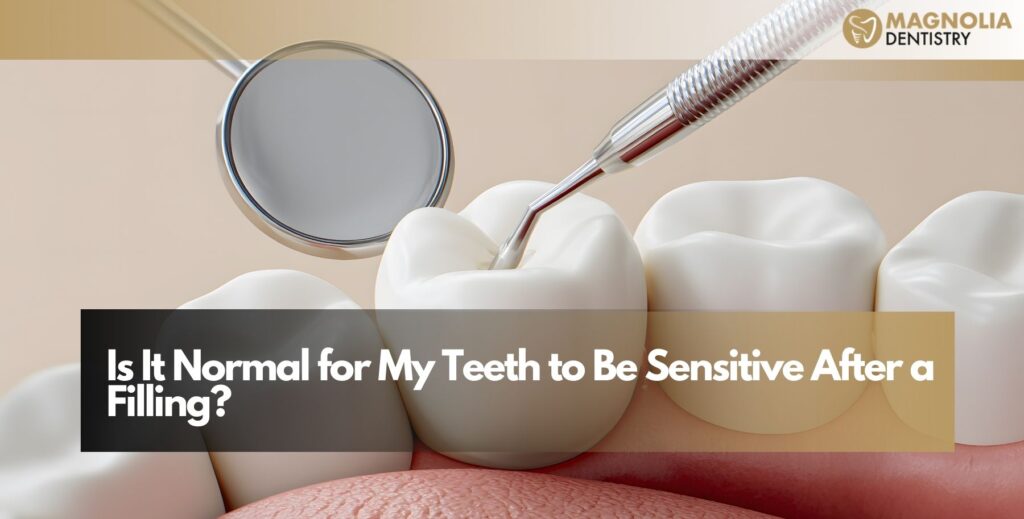
Dentists typically treat cavities using fillings, which restore damaged portions of the tooth and seal out bacteria. When decay reaches the nerve, you may need root canal treatment to eliminate infection and preserve your tooth.
Dental Abscess (Infection)
A dental abscess is a pocket of pus caused by a bacterial infection inside the tooth or gums. Abscesses create some of the most severe toothache symptoms and require immediate professional care to prevent systemic complications.
How Abscesses Develop
When untreated decay or trauma allows bacteria to reach the pulp (nerve), the tooth becomes infected. Pressure builds inside the tooth, causing throbbing pain that radiates to the jaw or ear. Gum swelling or a pimple-like bump may also appear.
Symptoms of an Abscess
Symptoms include severe throbbing pain, fever, bad breath, swollen gums, and sensitivity to biting. In advanced cases, facial swelling or difficulty opening the mouth can occur both of which require urgent treatment.
Treatment Options
Abscesses are treated by eliminating infection usually through root canals or, if the tooth cannot be saved, extractions. Antibiotics may also be prescribed.
Gum Disease (Periodontal Infection)
Gum disease is a silent but powerful cause of toothaches. When plaque bacteria infect the gums, they cause inflammation, recession, and bone loss around your teeth. As the condition worsens, tooth roots become exposed and extremely sensitive.
How Gum Disease Causes Tooth Pain
Inflamed gums pull away from the teeth, leaving roots exposed to temperature changes and pressure. Infection may also cause deep, achy pain in the jawbone or gums, particularly while chewing.
Symptoms of Gum Disease
Symptoms include bleeding gums, bad breath, gum recession, loose teeth, and tenderness. Chronic gum disease can eventually lead to tooth loss if not treated early.
Treatment Options
Dentists treat gum infections using gum disease therapy, which removes plaque and bacteria from deep beneath the gums. Advanced cases may require surgery to restore supportive tissue.
Cracked or Damaged Teeth
Cracks can range from minor enamel fractures to deep structural splits that reach the root. Even small cracks can cause significant pain when chewing or drinking cold beverages.
How Cracks Cause Pain
When you bite down, the crack opens slightly, irritating the nerve inside. Sudden pain when chewing or sensitivity to temperature is a classic sign of a cracked tooth. Over time, the crack may deepen and allow bacteria to enter, leading to infection.
Symptoms of Cracked Teeth
Symptoms include sharp pain when biting, sensitivity to hot or cold, or discomfort that comes and goes. Sometimes the crack is not visible, requiring imaging for diagnosis.
Treatment Options
Treatment depends on the severity of the crack. Minor cracks may be repaired with bonding or crowns, while deeper cracks may require root canal treatment. In severe cases where the tooth cannot be repaired, extraction may be necessary.
Impacted or Erupting Wisdom Teeth
Wisdom teeth often cause toothaches when they push against other teeth, become infected, or fail to erupt properly. Pressure, swelling, and inflammation are common signs that wisdom teeth are causing trouble.
How Wisdom Teeth Cause Pain
When wisdom teeth lack space, they may grow sideways or remain trapped under the gum. This leads to swelling, soreness, and pressure on surrounding teeth. Infection often develops around partially erupted wisdom teeth because the area is difficult to clean.
Symptoms of Wisdom Tooth Pain
Symptoms include jaw stiffness, swelling, bad breath, or a dull ache at the back of the mouth. Pain may radiate toward the ear or temple.
Treatment Options
Dentists typically recommend removal of problematic wisdom teeth. This prevents infection, crowding, and damage to nearby teeth.
Dental Trauma or Injury
Accidents, sports injuries, or biting hard foods can cause trauma to teeth. Even without visible cracks, the nerve may become irritated or damaged, leading to persistent pain.
How Injuries Cause Toothaches
Trauma may fracture enamel, expose dentin, or bruise the nerve. If the nerve becomes inflamed, sensitivity and intermittent pain may result. Severe trauma can cut off blood supply, causing the tooth to die and become infected.
Symptoms of Trauma
Pain when chewing, discoloration, cracks, or sensitivity are common indicators. Some symptoms appear immediately, while others develop days later.
Treatment Options
Dentists may recommend bonding, crowns, or root canal treatment, depending on the injury. Quick evaluation is crucial to preserve the tooth.
Teeth Grinding (Bruxism)
Grinding places tremendous force on teeth and jaw muscles, often leading to pain, fractures, and worn enamel. Many people grind unconsciously during sleep.
How Grinding Causes Pain
Continuous pressure wears down enamel, exposing sensitive dentin. Grinding also irritates jaw joints, causing toothaches and facial discomfort. Over time, teeth may crack or loosen.
Symptoms of Bruxism
Symptoms include morning headaches, jaw soreness, tooth sensitivity, worn enamel, or chipped teeth. Your dentist may detect flattening on tooth surfaces.
Treatment Options
Night guards, stress reduction, and restorative procedures may be needed. If grinding has damaged teeth, restoration may include bonding, veneers, or even the most common restorative procedure placing a protective crown to strengthen weakened teeth.
How Dentists Diagnose the Cause of Toothaches
Toothaches require a careful diagnostic approach. Dentists combine clinical exams, imaging, and patient symptoms to determine the exact cause and develop a customized treatment plan.
Digital X-Rays and Imaging
X-rays reveal decay, cracks, infection, bone loss, and impacted teeth. They also help dentists identify issues not visible to the naked eye.
Pulp Testing and Evaluation
Dentists may perform temperature or tapping tests to identify nerve inflammation. These tests help determine whether a tooth can be saved or requires additional treatment.
Gum and Bite Assessment
Gum pockets, alignment problems, and bite pressures can contribute to pain. A thorough evaluation helps pinpoint underlying issues.
The Most Effective Treatments for Toothaches
Dentists use various restorative and preventive treatments to relieve tooth pain and restore oral health. Treatment depends on the severity and cause of the problem.
Fillings for Decay
Early-stage cavities are treated with fillings, which prevent bacteria from spreading and protect the tooth structure. This simple procedure stops pain and restores function.
Root Canal Treatment
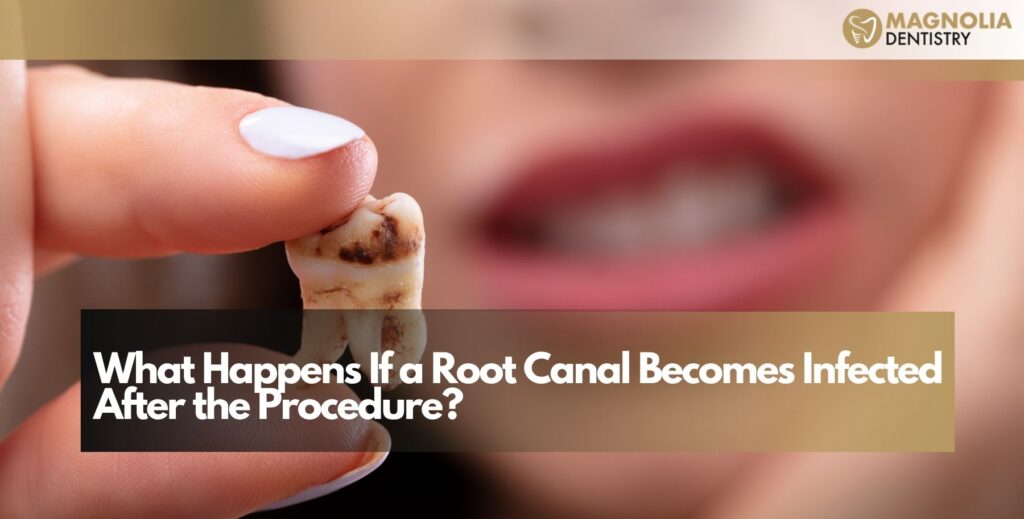
When decay or trauma reaches the nerve, root canal treatment removes infection and saves the natural tooth. This relieves severe pain and prevents extraction.
Crowns for Damaged Teeth
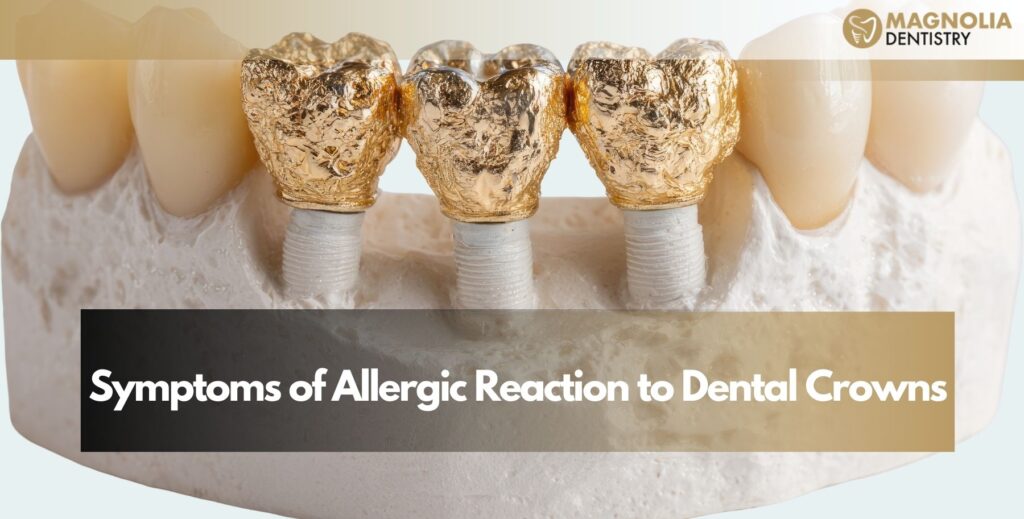
Severely cracked or weakened teeth may require crowns to restore strength, shape, and appearance. Crowns also prevent further damage and protect the underlying tooth.
Extractions for Non-Restorable Teeth
If a tooth is beyond repair, extractions eliminate the source of pain and prevent infection from spreading. Dentists may replace extracted teeth with implants, bridges, or partial dentures.
Gum Disease Therapy
Patients with periodontal infections benefit from gum disease therapy, which removes bacteria and promotes healing. As gums recover, sensitivity and tooth pain improve significantly.
Preventing Toothaches Before They Start
While not all toothaches are avoidable, many can be prevented through consistent care and early intervention.
Maintain a Strong Oral Hygiene Routine
Twice-daily brushing, flossing, and antibacterial mouthwash help reduce bacteria that cause decay and gum disease. Prevention is the most cost-effective method of protecting your teeth.
Schedule Regular Dental Visits
Professional exams allow dentists to identify early problems before they become painful. Routine cleanings also prevent plaque buildup and gum inflammation.
Protect Teeth From Injury
Wearing a mouthguard during sports and avoiding hard chewing habits reduces the risk of fractures.
Address Grinding Early
Night guards and stress reduction techniques protect your enamel and prevent long-term damage.
Conclusion
Toothaches can stem from many different causes from decay and infection to trauma and gum disease. Understanding the source of your pain helps you take the right steps toward relief and long-term oral health. With modern dentistry, treatments such as fillings, root canals, crowns, and gum disease therapy make it possible to restore comfort and preserve your natural smile.
For personalized care, compassionate treatment, and expert diagnosis, trust your smile to the professionals at Magnolia Dentistry.