Dental Insurance
The Dental Insurance Missing Tooth Clause, Explained
A missing tooth clause can stop your plan paying for an implant, bridge or denture. Learn how it works, how to find it in your plan and what your options are.
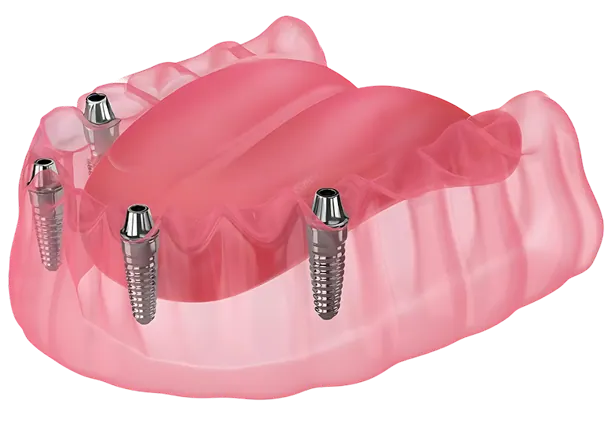
A missing tooth clause is a rule in some dental plans that excludes coverage for replacing a tooth that was lost or extracted before your coverage began. If your plan has one and the tooth was already gone on your start date, the plan may pay nothing toward an implant, bridge, partial or denture for that space, even though it would cover the same treatment for a tooth lost after you enrolled.
It is one of the most common reasons patients are surprised by an insurance estimate for tooth replacement, and it is easy to miss because it rarely appears in the short benefit summary you see during open enrollment. Here is how it works, how to tell whether your plan has one, and what to do if it applies to you.
How the clause works in practice
Think of it as a pre-existing condition rule for teeth. Dental billing specialists describe it as an exclusion for any prosthesis that replaces a tooth extracted before the plan's effective date, and it can apply to fixed bridges, removable partials, implants and dentures alike (eAssist). Some plans also apply it to teeth that never developed, known as congenitally missing teeth.
Two details matter most:
The date the tooth was lost. If the extraction happened while you were already covered by this plan, the clause normally does not apply. If you switched employers or plans after the tooth was removed, it might, even if your previous plan would have covered the replacement.
Whether the clause is absolute or time-limited. Some plans exclude replacement of pre-existing missing teeth permanently. Others cover it at a reduced level, or start covering it after you have been enrolled for a set period. One university plan, for example, covers replacement of teeth missing before the policy starts at 50% for the first 24 months and lifts the restriction after that (Missouri State University plan FAQ). Your plan may work differently.
How to find out if your plan has a missing tooth clause
The clause is usually in the full plan documents rather than the one-page summary. Look in your evidence of coverage, certificate of coverage or the limitations and exclusions section for phrases such as "missing tooth," "teeth missing prior to coverage," "replacement of teeth extracted before the effective date" or "prosthetic replacement limitations."
If you cannot find it, ask directly. Your employer's benefits team or the insurer's member services line can answer three questions that settle the issue:
- Does my plan have a missing tooth or pre-existing missing tooth limitation?
- Does it apply to implants, bridges and dentures, or only some of them?
- Does it expire after a set period of enrollment?
Write down the date, the representative's name and the answer. For major treatment, a predetermination from the insurer will show how the clause affects your actual claim.
Insurers named in searches
People often search for this rule alongside a specific insurance company, such as Delta Dental, MetLife, Guardian, Principal or Aetna. Each of these companies sells many different plans through employers and individually, and whether a missing tooth clause is included depends on the specific plan, not just the insurer's name. Treat any general answer for a brand as a starting point and confirm it against your own plan documents.
What to do if the clause applies to you
A missing tooth clause limits what your insurance pays. It does not change what is clinically right for you, and it should not push you toward a treatment you would not otherwise choose.
Ask about the rest of the treatment. Even when the replacement tooth itself is excluded, related care may still be covered under your plan's normal rules, such as the exam, X-rays and, in some cases, extractions of other teeth or gum treatment needed beforehand.
Check whether the restriction expires. If your plan covers pre-existing missing teeth after 12 or 24 months of enrollment, and your situation is not urgent, it may make sense to plan the replacement after that date. Discuss the clinical side with your dentist first; waiting is not always wise, because bone and neighboring teeth can change after a tooth is lost.
Review your options at open enrollment. Some plans are marketed as having no missing tooth clause. If you know you will need a replacement, compare plan documents carefully at your next enrollment period, including waiting periods and annual maximums.
Budget for the out-of-pocket portion. A health savings account or flexible spending account can generally be used for tooth replacement. Magnolia Dentistry also offers financing through CareCredit and Cherry, subject to credit approval.
Not sure how your plan treats a missing tooth? Bring your plan details to a visit and our Burbank team will help you understand how your benefits may apply before you decide. Book an appointment or call (818) 846-9041.
How the clause interacts with other insurance rules
The missing tooth clause is only one of several rules that decide what a plan pays toward a replacement tooth. Even when it does not apply, an alternate benefit provision may limit payment for an implant to what the plan would have paid for a bridge, and your annual maximum caps the total. We explain how these rules combine, with a worked example, in our guide to whether PPO insurance covers dental implants.
Choosing the right replacement, regardless of coverage
When a tooth is missing, the main options are an implant, a bridge or a removable partial or denture. Each has different effects on the neighboring teeth, the jawbone, comfort and long-term maintenance. At our office on West Magnolia Boulevard in Burbank, Dr. Liyan Massaband walks through those trade-offs first and then explains how your insurance is likely to apply to each option, so the decision is yours and fully informed.
Questions patients often ask
Does the missing tooth clause apply to teeth I lost while on my current plan?
Usually not. The clause targets teeth that were missing before your coverage started. If the tooth was extracted while you were covered by the same plan, replacement is normally assessed under the plan's standard rules.
Can a missing tooth clause apply to dentures?
It can. Depending on the wording, the clause may apply to any prosthetic replacement, including complete and partial dentures, bridges and implants.
Will my dentist know if my plan has a missing tooth clause?
A dental office can often check plan details or submit a predetermination that reveals it, but the plan documents and the insurer are the authoritative source. It is worth asking the insurer directly before major treatment.
Is there dental insurance without a missing tooth clause?
Some plans do not include one, and some limit it to an initial enrollment period. Compare the full plan documents, not just the summary, and check waiting periods and annual maximums at the same time.
Your next step
Talk with Dr. Massaband about your situation
Articles explain general options; an examination tells you what applies to you. Call the Burbank office or book online.
This article is general patient education and is not a diagnosis or a substitute for an in-person dental examination.