Blog
Can Composite Bonding Help Receding Gums
composite bonding helps receding gums cosmetically by covering exposed root surfaces and reducing sensitivity.
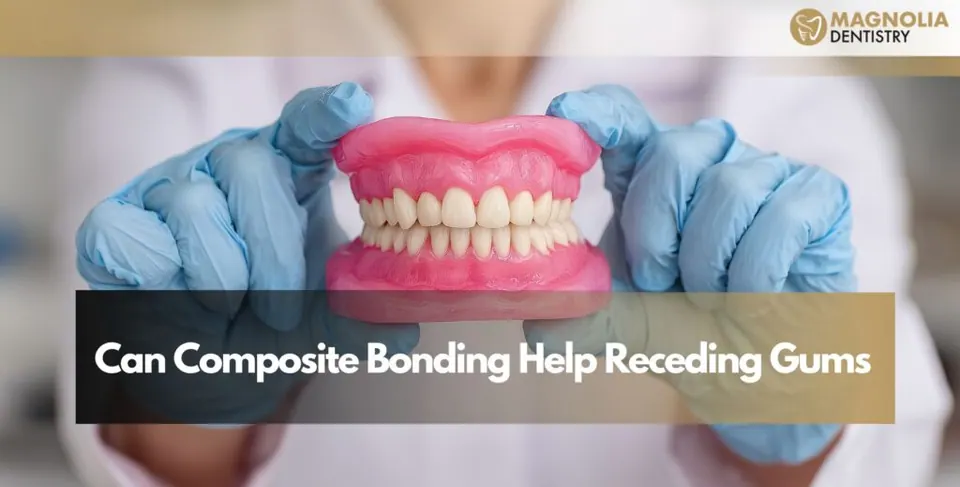
Receding gums create both aesthetic concerns and functional dental problems, leaving many patients searching for effective treatment options. When gum recession exposes tooth roots, the resulting sensitivity, discoloration, and appearance changes prompt questions about available solutions. Composite bonding has emerged as a popular cosmetic dental procedure, leading many to wonder whether it addresses receding gum issues. This comprehensive guide explores how composite bonding works for gum recession, its benefits and limitations, and alternative treatments to help you make informed decisions about your oral health.
Understanding Receding Gums and Their Impact
Receding gums occur when gum tissue pulls away from teeth, exposing more of the tooth surface or even the root structure. This common dental condition affects people of all ages and creates multiple challenges beyond cosmetic concerns.
Causes of Gum Recession
Several factors contribute to gum recession treatment needs. Aggressive brushing with hard-bristled toothbrushes physically damages delicate gum tissue over time. Periodontal disease, the most common cause, destroys supporting bone and tissue through bacterial infection. Genetic predisposition makes some individuals naturally susceptible regardless of oral hygiene practices. Tobacco use, teeth grinding, misaligned bites, and orthodontic treatment can also contribute to gum tissue loss.
Health Consequences Beyond Aesthetics
Exposed tooth roots lack protective enamel covering, making them vulnerable to tooth sensitivity when consuming hot, cold, sweet, or acidic foods and beverages. The exposed root surface becomes more susceptible to root decay, which progresses faster than typical cavities. Without treatment, recession continues, potentially leading to tooth loss as supporting structures deteriorate. The visible changes also affect smile confidence and self-esteem significantly.
How Composite Bonding Works for Receding Gums
Composite bonding for gums involves applying tooth-colored resin material to exposed root surfaces, creating a protective barrier while improving appearance. Understanding this procedure helps set realistic expectations.
The Bonding Procedure Explained
During dental bonding, your dentist thoroughly cleans the affected area and may lightly roughen the tooth surface to enhance adhesion. A conditioning liquid prepares the surface before applying putty-like composite resin matched to your natural tooth color. The dentist carefully shapes this material to cover exposed roots and blend seamlessly with existing tooth structure. A special curing light hardens the resin within seconds. Final shaping, smoothing, and polishing complete the process, typically requiring 30-60 minutes per tooth.
Benefits of Composite Bonding
This conservative treatment requires minimal tooth preparation compared to crowns or veneers. The procedure is typically painless, often performed without anesthesia unless treating significant sensitive teeth issues. Results appear immediately, covering dark root surfaces and reducing the “long tooth” appearance characteristic of recession. Bonding provides excellent aesthetic dentistry outcomes at moderate cost compared to alternative treatments. The procedure is reversible, allowing future treatment modifications if needed.
Limitations to Consider
While bonding addresses cosmetic concerns effectively, it doesn’t stop gum disease progression or regenerate lost gum tissue. The composite material protects exposed roots but doesn’t replace missing gum coverage. Bonding requires maintenance and eventual replacement, typically lasting 3-7 years depending on location, bite forces, and oral habits. The material can stain over time, particularly with coffee, tea, red wine, or tobacco use. Bonding works best for mild to moderate recession; severe cases require more comprehensive treatment approaches.
Treatment Options for Receding Gums in Burbank, CA
Patients seeking receding gums solutions in the Burbank area have access to multiple treatment modalities, each addressing different aspects of the condition.
Gum Grafting Procedures
Gum graft surgery remains the gold standard for actually restoring gum tissue coverage. This procedure takes tissue from the palate or uses donor material to cover exposed roots. While more invasive than bonding, grafting provides permanent tissue regeneration and prevents further recession. Recovery typically requires 1-2 weeks, with excellent long-term results for appropriate candidates.
Pinhole Surgical Technique
This minimally invasive alternative to traditional grafting uses small holes in existing gum tissue to loosen and reposition it over exposed roots. Collagen strips stabilize the repositioned tissue. The pinhole technique offers faster recovery and no palate incisions, though it requires adequate existing gum tissue for repositioning.
Deep Cleaning and Maintenance
For recession caused by gum disease, scaling and root planing (deep cleaning) removes bacterial buildup below the gum line. This treatment stops disease progression and creates conditions for tissue stabilization. Regular maintenance cleanings every 3-4 months prevent recurrence and protect remaining gum tissue.
Comprehensive Approach with a Dentist
Working with an experienced Dentist in Burbank, CA ensures accurate diagnosis and personalized treatment planning. Dr. Liyan Massaband at Magnolia Dentistry provides thorough evaluation of recession causes, severity assessment, and customized treatment recommendations. The practice offers multiple solutions, from conservative bonding to advanced surgical options, ensuring each patient receives appropriate care for their specific situation.
Combining Treatments for Optimal Results
Many patients benefit from multi-faceted approaches addressing both underlying causes and aesthetic concerns of receding gum lines.
Bonding After Gum Grafting
Combining procedures often yields superior outcomes. Gum surgery first addresses the recession structurally, regenerating tissue coverage where possible. Once healed, strategic bonding application covers any remaining exposed root surfaces that grafting couldn’t completely address. This combination maximizes both health benefits and aesthetic results.
Addressing Underlying Causes
Regardless of chosen treatment, managing causative factors prevents continued recession. Switching to soft-bristled toothbrushes and using gentle brushing techniques protects tissue. Treating periodontal disease through deep cleanings and improved home care stops bacterial destruction. Custom nightguards prevent damage from teeth grinding. Orthodontic correction addresses bite problems contributing to recession.
Long-Term Maintenance Strategies
Successful gum recession management requires ongoing commitment. Professional cleanings every 3-6 months remove plaque and calculus before causing damage. Daily flossing and proper brushing technique maintain oral health. Regular dental examinations catch new recession early when treatment options are simplest. Avoiding tobacco products and limiting acidic foods protects both natural tissue and bonding materials.
Candidacy Considerations and Contraindications
Not everyone qualifies as an ideal candidate for composite bonding on receding gums, making professional evaluation essential.
Ideal Candidates
Patients with mild to moderate recession, good overall oral health, and realistic expectations achieve best results. Those seeking affordable, conservative treatment prefer bonding over surgical options. Individuals wanting immediate results without recovery time appreciate this approach. Patients with primarily aesthetic concerns about exposed roots find bonding particularly satisfying.
Situations Requiring Alternative Treatments
Active gum infection must be resolved before any cosmetic procedure. Severe recession exposing significant root structure needs gum grafting for structural stability. Heavy teeth grinders may damage bonding materials quickly, making alternative restorations more appropriate. Patients with multiple bonding failures might need crowns or veneers providing greater durability. Those with advancing recession benefit more from treatments addressing the progression rather than just covering symptoms.
Conclusion
Composite bonding serves as an effective, conservative solution for addressing the cosmetic and functional concerns of receding gums. While it doesn’t regenerate lost tissue or stop recession progression, bonding excellently covers exposed roots, reduces sensitivity, and restores aesthetic appearance. The procedure works best for patients with mild to moderate recession and healthy gums who want immediate results without surgery.
Frequently Asked Questions
Does bonding help receding gums?
Yes, composite bonding helps receding gums cosmetically by covering exposed root surfaces and reducing sensitivity. However, bonding doesn’t regenerate lost gum tissue or stop recession progression. It provides aesthetic improvement and protection for exposed roots but should be combined with treatments addressing underlying causes like gum disease or aggressive brushing for comprehensive care.
What do dentists put on receding gums?
Dentists use various materials depending on treatment goals. Composite resin bonding covers exposed roots cosmetically. Desensitizing agents reduce sensitivity on exposed surfaces. Gum graft tissue (from your palate or donor sources) surgically covers roots during grafting procedures. Prescription fluoride treatments strengthen exposed root surfaces. Antimicrobial treatments manage gum disease contributing to recession.
What is the best option for receding gums?
The best option depends on recession severity and underlying causes. Gum grafting provides the most comprehensive solution, actually regenerating tissue coverage for moderate to severe recession. Composite bonding works excellently for mild recession with primarily cosmetic concerns. Deep cleaning (scaling and root planing) is essential when gum disease causes recession. Combining treatments addressing disease, performing grafting where needed, and using bonding for finishing touches often yields optimal results.
Can I get composite bonding with bad gums?
No, composite bonding should not be performed on unhealthy gums. Active gum disease, infection, or inflammation must be treated first through deep cleaning and improved oral hygiene. Attempting bonding with diseased gums leads to poor results, continued recession, and potential bonding failure. Once gum health is restored and stabilized, bonding becomes a viable option for covering exposed roots.
Who is not eligible for composite bonding?
Patients with active periodontal disease, severe teeth grinding without protective nightguards, insufficient tooth structure for bonding adhesion, or extensive decay are poor candidates. Those with unrealistic expectations about bonding’s longevity or its ability to stop recession shouldn’t proceed. Heavy smokers experience faster bonding deterioration and staining. Patients needing structural tooth support rather than just cosmetic coverage require alternative treatments like crowns.
Can receding gums be filled?
Yes, receding gums can be “filled” in two ways. Composite bonding fills the space created by recession, covering exposed roots with tooth-colored material. This addresses appearance and sensitivity but doesn’t replace actual gum tissue. Gum grafting surgically fills the recession with transplanted tissue, actually regenerating gum coverage. Grafting provides structural solution while bonding offers cosmetic coverage. Many patients benefit from combining both approaches for comprehensive treatment.
Your next step
Talk with Dr. Massaband about your situation
Articles explain general options; an examination tells you what applies to you. Call the Burbank office or book online.
This article is general patient education and is not a diagnosis or a substitute for an in-person dental examination.