Blog
What to Do When You Have a Dental Emergency at Night
Dental emergencies never seem to happen during regular office hours; they strike at the most inconvenient times,
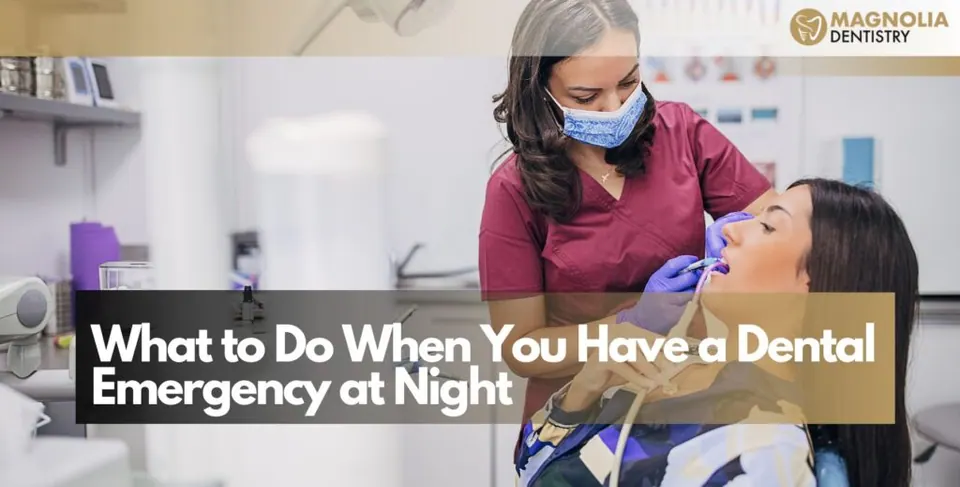
It’s 2 a.m., and you’re awakened by a throbbing toothache that won’t quit. Or maybe you’re getting ready for bed when you suddenly chip a tooth on a late-night snack. Dental emergencies never seem to happen during regular office hours; they strike at the most inconvenient times, leaving you in pain and uncertain about what to do next. When a dental emergency happens at night, knowing how to respond quickly can mean the difference between saving or losing a tooth, preventing serious infection, and minimizing long-term damage. This comprehensive guide will walk you through the essential steps to take during a nighttime dental emergency, how to manage pain at home, when to seek immediate care, and how to find emergency dental services when you need them most.
Recognizing a True Dental Emergency
Not every dental problem that occurs at night requires immediate attention, but some situations absolutely do. Understanding the difference can help you make the right decision about whether to seek emergency care immediately or wait until morning to call your dentist.
True Dental Emergencies Requiring Immediate Attention
Knocked-out tooth: If you’ve had a tooth completely knocked out, time is critical. You have about 30 minutes to an hour to get the tooth reimplanted successfully. This is a true dental emergency that requires immediate professional care.
Severe bleeding: Uncontrolled bleeding from your mouth, gums, or tongue that doesn’t stop after 10-15 minutes of applying pressure requires emergency medical attention. This could indicate a serious injury or medical condition.
Abscess or facial swelling: A dental abscess is a serious infection that can spread to other parts of your body if left untreated. If you have significant swelling in your face, jaw, or neck, accompanied by fever, difficulty swallowing, or breathing problems, seek emergency care immediately.
Severe tooth pain: While most toothaches can wait until morning, excruciating pain that prevents you from sleeping, eating, or functioning normally may require emergency treatment, especially if accompanied by swelling or fever.
Broken jaw or facial trauma: Any facial injury that results in a broken jaw, fractured facial bones, or severe trauma requires immediate attention at an emergency room.
Situations That Can Usually Wait Until Morning
Minor toothache: Mild to moderate tooth pain that’s manageable with over-the-counter pain relievers can typically wait until you can schedule an appointment during regular hours.
Small chip or crack: A minor chip or crack that isn’t causing significant pain or bleeding can usually wait for a regular dental appointment.
Lost filling or crown: While inconvenient, a lost filling or crown isn’t usually an emergency unless it’s causing severe pain or sensitivity.
Food stuck between teeth: While uncomfortable, food trapped between teeth can be addressed with floss or a water flosser and doesn’t require emergency care.
Immediate Steps to Take for Common Nighttime Dental Emergencies
When a dental emergency strikes at night, taking the right immediate actions can minimize damage and increase the chances of a positive outcome. Here’s what to do for specific situations:
For a Knocked-Out Tooth
Time is absolutely critical when dealing with a knocked-out tooth. Handle the tooth by the crown (the visible white part), never by the root. Gently rinse the tooth with water or milk without scrubbing you want to preserve the delicate tissue on the root surface. If possible, try to place the tooth back in its socket immediately. If you can’t do this, store the tooth in a container of milk, saliva, or an emergency tooth preservation solution. Never use tap water for storage as it can damage the root cells. Seek emergency dental care within 30 minutes for the best chance of saving the tooth.
For Severe Toothache
Start by rinsing your mouth with warm salt water to clean the area and reduce inflammation. Mix half a teaspoon of salt in 8 ounces of warm water and swish gently for 30 seconds. Use dental floss to carefully remove any food particles that might be causing irritation. Apply a cold compress to the outside of your cheek near the painful area for 15-20 minutes to reduce swelling and numb the pain. Take over-the-counter pain medication like ibuprofen or acetaminophen according to package directions. Never place aspirin directly on your gums or tooth as this can burn the tissue. If the pain is unbearable or accompanied by swelling or fever, seek emergency care.
For a Chipped or Broken Tooth
Rinse your mouth with warm water to clean the area. If you can find the broken piece, save it in milk or saliva and bring it with you to the dentist sometimes it can be reattached. If there’s bleeding, apply gentle pressure with sterile gauze or a clean cloth. Cover any sharp edges with dental wax, sugar-free gum, or temporary dental cement (available at most pharmacies) to prevent injury to your tongue, cheeks, or lips. Apply a cold compress to reduce swelling.
For a Lost Filling or Crown
If a crown comes off, try to save it and bring it with you to your dental appointment. Clean the inside of the crown and the exposed tooth. You can temporarily reattach the crown using denture adhesive or temporary dental cement from a pharmacy and never use super glue! For a lost filling, you can place temporary dental cement in the cavity to protect the exposed tooth until you can see your dentist. Avoid chewing on that side of your mouth.
For a Dental Abscess
A dental abscess is a serious infection that requires professional treatment. Rinse your mouth with warm salt water several times to help draw out some of the infection and reduce discomfort. Do not attempt to drain the abscess yourself. Take pain medication as needed and seek emergency dental care as soon as possible. If you develop fever, facial swelling, or difficulty breathing or swallowing, go to an emergency room immediately as these are signs the infection is spreading.
Finding Emergency Dental Care in Burbank, CA
When you’re dealing with a nighttime dental emergency, knowing where to turn for help is crucial. Here are your options for finding emergency dental services in the Burbank area:
Contact Your Regular Dentist First
Many dental practices have after-hours emergency numbers that connect you directly with a dentist or provide instructions for emergency care. Check your dentist’s website or answering machine message for emergency contact information. For Burbank residents, practices like Magnolia Dentistry and other established dental offices often have protocols for handling after-hours emergencies.
Search for 24-Hour Emergency Dental Services
If you don’t have a regular dentist or can’t reach them, search online for “emergency dentist near me” or “24-hour dentist.” Some dental clinics in and around Burbank offer extended hours or emergency appointments. When searching for the best dentist in Burbank for emergency care, look for practices with positive reviews, experience handling dental emergencies, and clear information about their after-hours availability.
Visit an Urgent Care Facility
Some urgent care centers can provide temporary relief for dental pain and may have dentists on staff or on call. While they typically can’t perform complex dental procedures, they can prescribe pain medication and antibiotics if you have an infection.
Go to the Emergency Room for Severe Cases
For life-threatening situations involving severe bleeding, facial trauma, broken jaw, difficulty breathing or swallowing, or signs that an infection is spreading (high fever, extreme facial swelling), go to your nearest emergency room. Burbank has several hospitals equipped to handle medical emergencies, though you’ll still need to follow up with a dentist for definitive dental treatment.
Pain Management at Home Until You Can See a Dentist
If you’re waiting until morning to see a dentist, here are safe ways to manage pain at home:
Over-the-counter pain relievers: Ibuprofen is particularly effective for dental pain because it reduces both pain and inflammation. Take as directed on the package. Acetaminophen is another option if you can’t take ibuprofen.
Cold compresses: Apply a cold pack wrapped in a towel to the outside of your cheek for 15-20 minutes at a time. This numbs the area and reduces swelling.
Salt water rinses: Warm salt water is a natural antiseptic that can reduce inflammation and help prevent infection. Rinse gently several times throughout the night.
Clove oil: Clove oil contains eugenol, a natural anesthetic. Dab a small amount on a cotton ball and apply it to the painful area. Be careful not to use too much as it can irritate your gums.
Elevation: Keep your head elevated when lying down to reduce blood flow to the area and minimize throbbing pain.
Avoid certain foods: Stay away from hot, cold, sweet, or hard foods that might aggravate the pain. Stick to soft, room-temperature foods if you need to eat.
Preventing Future Nighttime Dental Emergencies
While you can’t prevent every dental emergency, you can significantly reduce your risk by maintaining good oral hygiene and making smart choices:
Schedule regular dental checkups every six months. Your dentist can identify and address potential problems before they become emergencies. Maintain excellent oral hygiene by brushing twice daily and flossing once daily. Wear a mouthguard during sports activities to protect against dental injuries. If you grind your teeth at night, ask your dentist about a night guard. Avoid chewing ice, hard candy, popcorn kernels, and other hard objects that can crack teeth. Don’t use your teeth as tools to open packages or bottles.
Conclusion
Dental emergencies at night can be frightening and painful, but knowing what to do can make all the difference. Remember that true emergencies like knocked-out teeth, severe bleeding, and signs of spreading infection require immediate attention, while many other issues can be managed at home until morning. Keep your dentist’s emergency contact information easily accessible, stock a basic dental emergency kit with items like gauze, dental wax, and pain medication, and don’t hesitate to seek professional care when needed. Your oral health is too important to ignore, even in the middle of the night. By taking quick, appropriate action and following up with your dentist promptly, you can protect your teeth and minimize long-term damage from nighttime dental emergencies.
Your next step
Talk with Dr. Massaband about your situation
Articles explain general options; an examination tells you what applies to you. Call the Burbank office or book online.
This article is general patient education and is not a diagnosis or a substitute for an in-person dental examination.